Last updated November 23, 2026
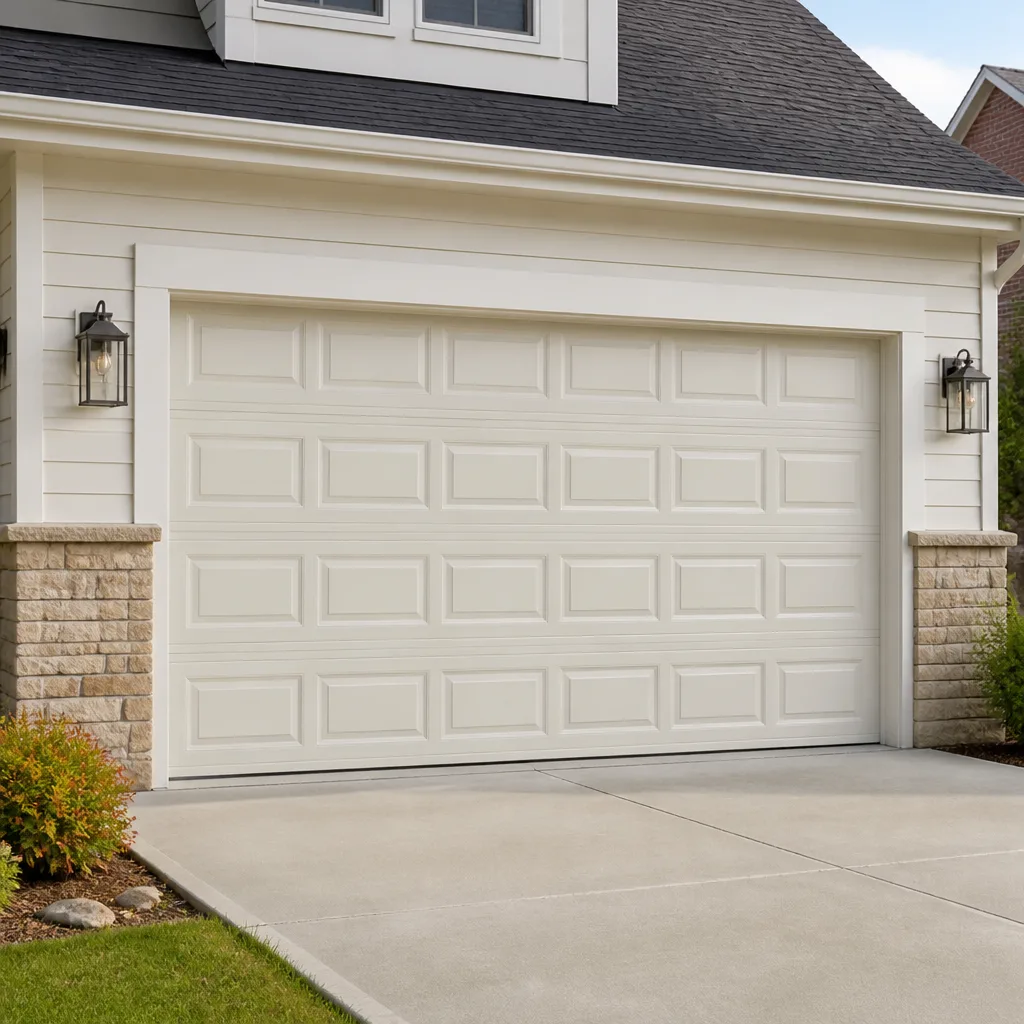 Raised-panel steel
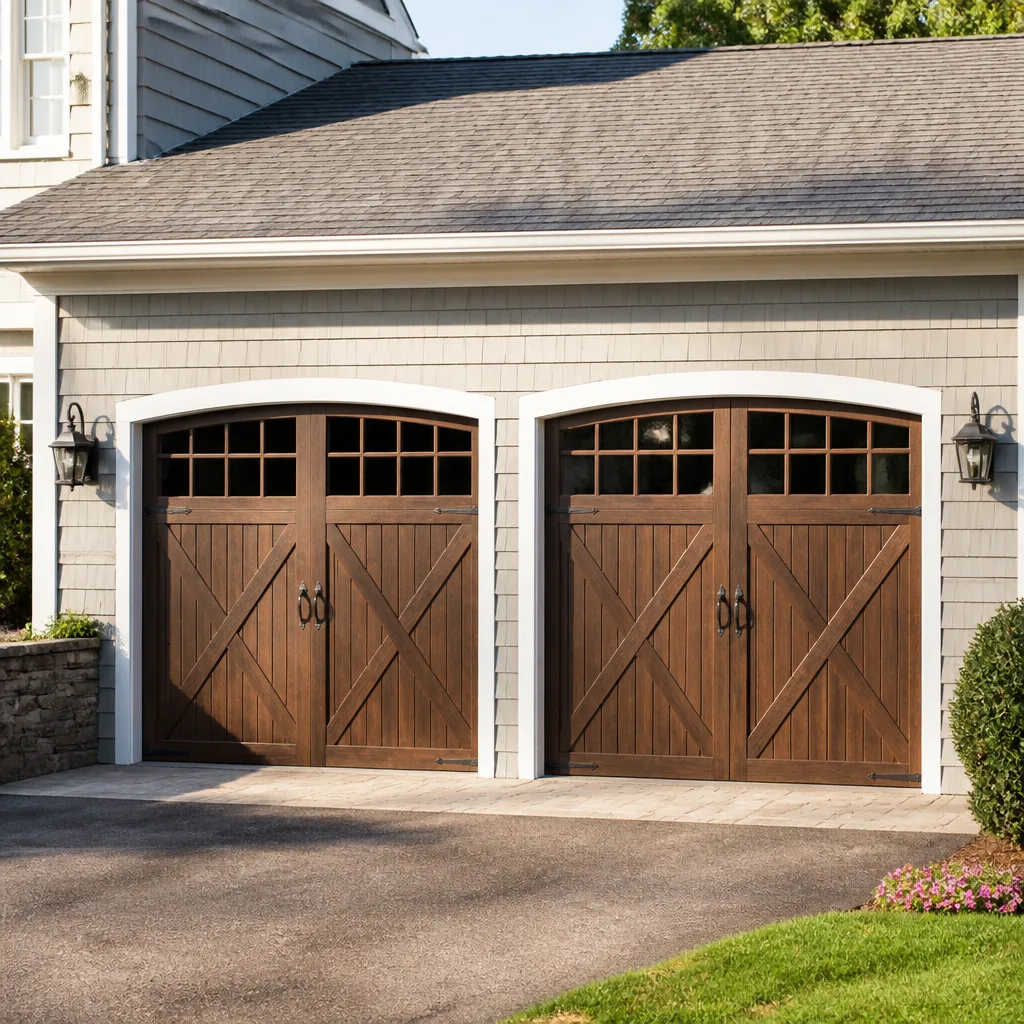 Carriage house
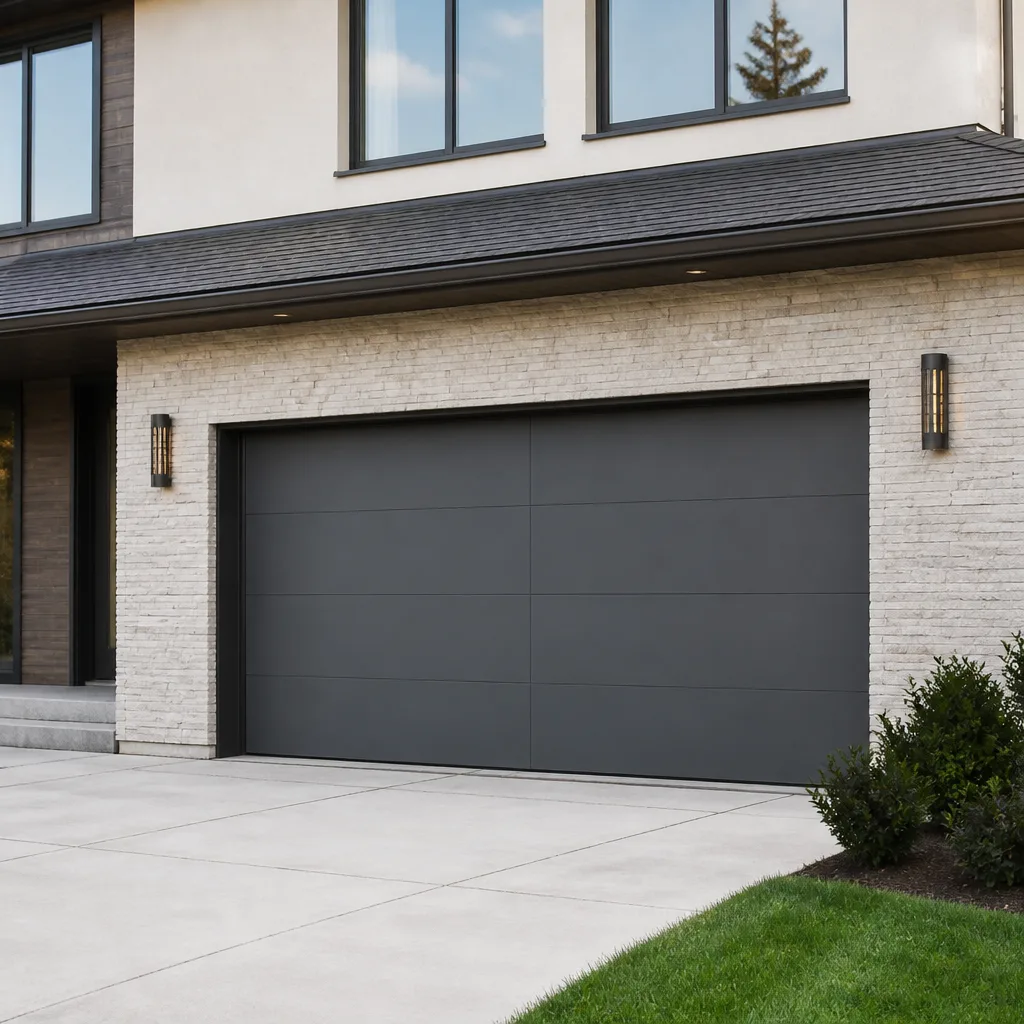 Modern flush
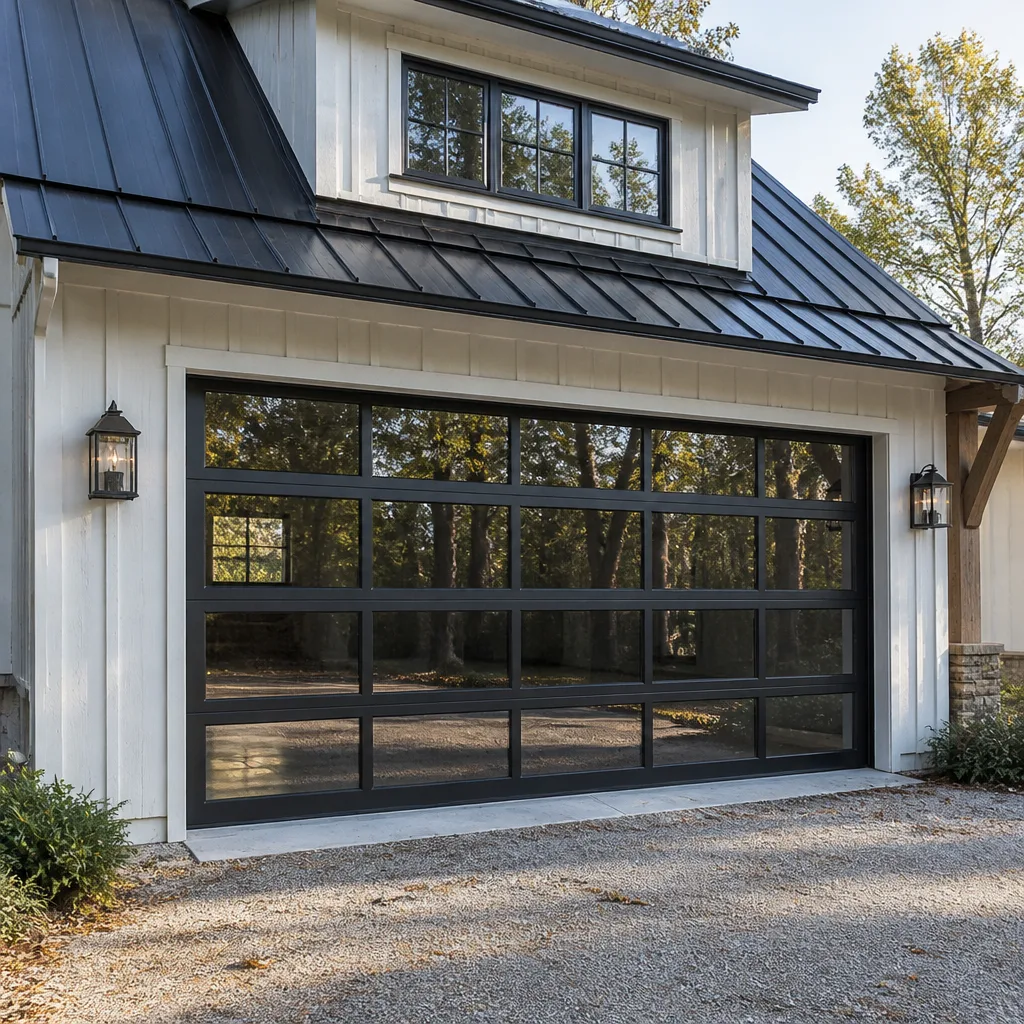 Full-view glass
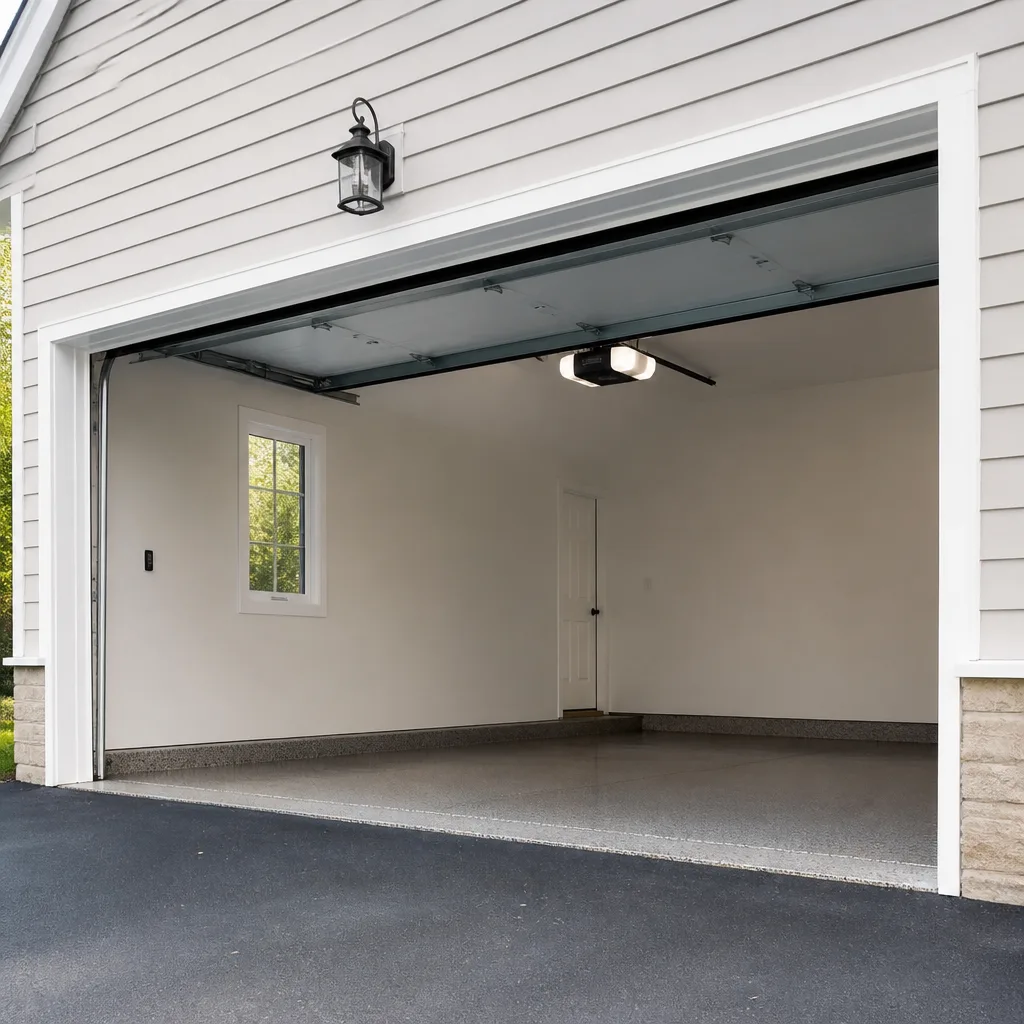 LiftMaster openers
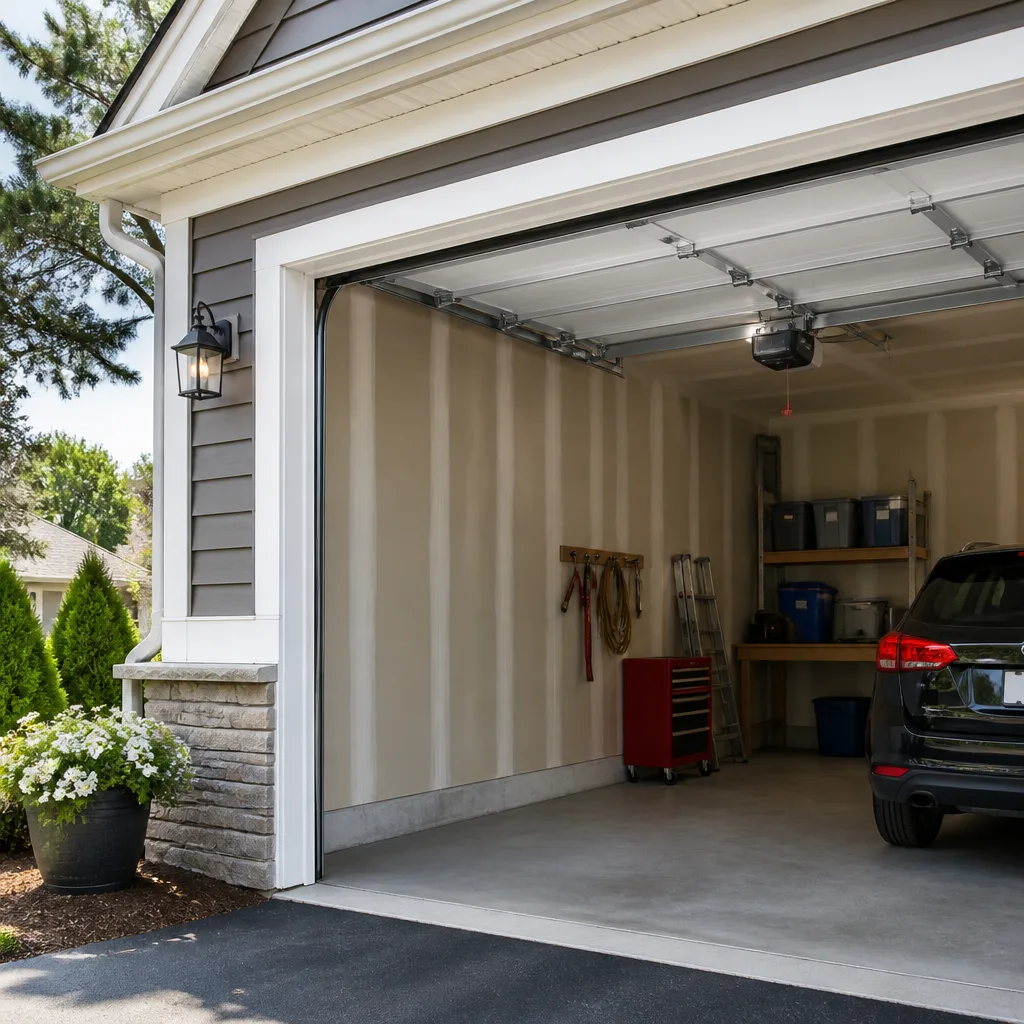 Chamberlain openers
Full 25-point door and opener safety check with every visit - springs, cables, rollers, tracks, and your LiftMaster or Chamberlain opener included
You get a price before we start. It does not change when the pro arrives.
Get your free estimateGarage Door Repair Troubleshooting in Oakville: Common Problems and How to Fix Them
When a garage door won’t open, most homeowners assume the worst and start pricing a whole new door. But “won’t open” is a symptom, not a diagnosis, and in our experience it traces back to one of five mechanical categories: opener, springs, cables, tracks, or sensors. A failed safety sensor can look exactly like a dead motor, and treating a dead motor when the real problem is a misaligned track can damage parts that were fine. That’s why this guide is built around a diagnostic framework instead of a symptom list. Below we walk Oakville homeowners through each category, how to tell which one you’re dealing with, and which problems are safe to handle yourself versus which ones demand a trained technician.
Quick Answer
Most garage door problems in Oakville come down to one of five components: the opener, the springs, the cables, the tracks, or the safety sensors. You can safely check and adjust the opener, tracks, and sensors yourself, but springs and cables hold dangerous tension and should only be repaired by a trained technician using proper tools. If the door is stuck or something seems under extreme tension, stop and call a professional rather than force it.
Styles & brands we work with
- Raised-panel steel
- Carriage house
- Modern flush
- Full-view glass
- LiftMaster openers
- Chamberlain openers
Table of Contents
- The Five-Category Diagnostic Framework
- How to Isolate the Opener from the Door Mechanics
- Problem-by-Problem Breakdown of Each Category
- Decision Table: Single Repair vs. Systemic Issue
- How Missouri’s Temperature Swings Affect Springs and Tracks
- DIY vs. Professional: Go/No-Go Criteria
- Common Mistakes to Avoid
- Frequently Asked Questions
The Five-Category Diagnostic Framework
Every malfunction you’re likely to run into falls into one of five mechanical categories. Learning to recognize which one you’re facing tells you two things at once: what’s actually wrong, and whether you can safely fix it at home.
The five categories are:
- Opener: the motor, drive train, logic board, gears, belt, chain, or screw drive. These are electronic and mechanical failures inside the unit mounted to the ceiling. A LiftMaster or Chamberlain opener with a bad logic board may respond to the remote but fail to move the door.
- Springs: the torsion spring on the shaft above the door, or extension springs along the tracks on older doors. These store the counterbalance force that makes the door feel light. A snapped spring makes the door feel like it weighs as much as it actually does.
- Cables: the steel cables that lift the door and, on torsion systems, keep the spring energy under control. A frayed or slipped cable is a genuine safety concern.
- Tracks: the metal rails the rollers travel in. Bends, misalignment, or debris in the track make the door bind, tilt, or stop partway.
- Sensors: the photo-eye pair near the floor, plus any safety-edge or reversing-system components. A dirty lens or knocked-out sensor stops the door from closing even though nothing mechanical is wrong.
Once you know which category you’re dealing with, the next question is almost always: is this the opener or the door itself? The manual disconnect cord answers that in about thirty seconds, which we cover in the next section. Our full Garage Door Repair Oakville service covers all five of these categories under one call, which matters when the symptom is ambiguous.
How to Isolate the Opener from the Door Mechanics
Before you call anyone, you can determine whether the fault lives in the opener or in the door mechanics. The tool for this is the manual release cord, the red or black pull handle hanging from the opener’s trolley.
Do this only when the door is fully closed and you can stand safely clear of it:
- Pull the manual release cord down and back to disengage the trolley from the door carriage. You’ll usually hear a click.
- With the opener disconnected, try lifting the door by hand. A balanced door should lift with moderate effort and stay up roughly halfway when you let go.
- If the door lifts smoothly and stays put, the springs and mechanics are likely healthy, which points the fault toward the opener.
- If the door is very heavy, binds partway, or drops hard, the problem is in the door mechanics, most likely springs, cables, or tracks.
- Press the wall button or remote. If the opener’s motor runs but the trolley doesn’t move (because it’s disengaged), that confirms the motor itself is working.
- When you’re done testing, re-engage the trolley by running the opener until it clicks back into the carriage with the door closed.
If the door is extremely heavy or won’t stay up at all, do not keep lifting it. That’s a spring or cable problem, and the next section explains why it’s a stop-and-call situation. A properly balanced door in Oakville should feel light enough that a teenager could raise it one-handed.
Problem-by-Problem Breakdown of Each Category
Here’s how the most common symptoms map to their root causes, category by category.
Opener problems
- Motor runs, door doesn’t move: stripped gear, broken drive belt, or a snapped chain on the rail.
- Nothing happens at all: dead logic board, tripped breaker, or a loose wall console wire.
- Remote works but wall button doesn’t (or vice versa): a programming issue or a failed receiver. Genie and Chamberlain units sometimes need a fresh reprogram after a power event.
- Door reverses immediately: often a sensor or force-setting issue, not the motor itself.
Spring problems
- Loud bang followed by a door that won’t lift: a snapped torsion spring. You may see a clean gap in the spring coil.
- Door lifts a few inches and stops: a weakened or partially broken spring.
- Door slams down hard: a broken spring or unbalanced extension springs.
Springs are the most dangerous component in your garage. They hold hundreds of pounds of stored energy, and a snap can happen without warning. We handle garage door spring repair as a dedicated service for exactly this reason: trained technicians with the right winding bars and safety protocols, not a homeowner guessing at tension.
Cable problems
- Door hangs crooked or one side drops: a cable has jumped a drum or snapped.
- Visible fraying or kinks: replace before it fails.
- Cable off the drum: this can release spring tension unpredictably. Stop and call.
Track problems
- Door binds or jerks on one side: a bent track or a roller out of the rail.
- Door comes off the track: a serious misalignment, usually from impact or worn rollers.
- Grinding noise along the rail: debris, dry rollers, or a bent section rubbing the door edge.
Sensor problems
- Door closes partway and reverses: blocked or misaligned photo-eyes.
- Door won’t close at all but opens fine: sensors are the usual culprit on a Clopay or any door with a modern opener.
- Sensor LED is off or flickering: dirty lens, loose wiring, or a sun-glare issue.
When two or more categories overlap, our garage door repair service is the fastest path, because one visit can trace the real fault instead of treating a symptom.
Decision Table: Single Repair vs. Systemic Issue
Not every problem is a one-part fix. Some symptom combinations point to a single component, while others signal a system that needs multi-component attention. This table is our shorthand for reading the difference.
- Door won’t move, one loud bang, spring visibly broken, everything else looks fine: single repair. One spring (or a matched pair).
- Motor runs, door doesn’t budge, springs look intact: single repair. Opener drive or gear.
- Door reverses at the floor, tracks and springs fine: single repair. Sensors.
- Door binds on one side, track slightly bent: single repair. Track realignment.
- Door is crooked, a cable is frayed, and the opener strains: systemic. Cable plus spring plus opener inspection.
- Door slams, jerks, and reverses at random: systemic. Spring balance, track alignment, and sensor check together.
- Grinding along the rail plus slow lift plus remote dropouts: systemic. Opener wear plus roller and track service.
In our experience, the “systemic” rows nearly always mean the door has been running in a degraded state for months and several parts wore together. One service call that addresses the whole system beats three separate visits that patch individual parts. That’s the difference between a quick fix and a door that stays reliable.
How Missouri’s Temperature Swings Affect Springs and Tracks
Oakville sits in a part of Missouri where the mercury can swing from single digits in a cold snap to the high nineties in the summer, and your garage door feels every degree. Understanding why this matters will help you anticipate seasonal problems instead of getting surprised by them.
Springs and temperature. Steel springs change tension with temperature. On a cold morning, a steel torsion spring contracts and can lose some of its lifting force, so a door that felt fine in autumn suddenly feels heavy. On a hot afternoon, that same spring expands. Wood-framed garages and unheated garages experience the biggest swing. Springs that are already near the end of their life often fail during the first cold snap or the first hot week of the season. A door that only acts up in extreme cold is usually giving you a warning, not a fluke.
Tracks and temperature. Metal tracks and the door panels expand and contract at slightly different rates. Over a season or two, a section of track can shift a few millimeters out of alignment. On its own that’s minor. Combined with a dry roller or a small bend, it’s enough to make the door bind on one side. This is why we see more track complaints in Oakville in the shoulder seasons, when temperatures are moving up and down by thirty degrees within a week.
Wood-framed garages. The older housing stock around Oakville includes plenty of wood-framed garages, and wood moves with humidity. A door attached to a frame that swells in summer and shrinks in winter can drift out of square over time. That drift shows up as sensor misalignment, uneven gaps, and a door that closes hard on one edge.
None of this means you should be adjusting springs yourself. It means you should expect seasonal changes to matter, and treat a sudden change in how the door feels as a signal to have it looked at rather than a reason to force it.
DIY vs. Professional: Go/No-Go Criteria
The line between “safe to handle” and “call a pro” isn’t vague. It’s drawn at the specific component, and here’s exactly where it falls.
Safe to handle yourself if the issue is:
- Dirty or misaligned photo-eye sensors. Wipe the lenses, check they’re facing each other, and confirm both indicator lights come on.
- A remote or wall console that needs reprogramming, especially after a power outage or battery change.
- A loose bolt or bracket on a track that clearly needs snugging up, with the door fully closed and clear.
- Debris or a small object stuck in a track that you can remove without bending anything.
- An opener that lost its force setting or needs its light bulb replaced.
Stop and call a professional if the issue is:
- Anything involving springs. There is no safe DIY fix for a torsion or extension spring, and the danger is immediate and severe.
- Cables that are snapped, frayed, kinked, or off the drum. Springs and cables work together, and cable work can release stored energy suddenly.
- A door that is off its tracks or hanging crooked on one side.
- Any situation where you can see or hear parts under obvious tension. Leave it alone.
- A door that’s very heavy to lift by hand after you’ve released the trolley.
- Repeated reversing or erratic behavior you can’t pin to sensors.
If your problem falls in the second list, we can work with your insurer if an incident has caused damage, and we’ll quote the price and agree it with you before any work starts. For the safe list, our garage door opener repair service covers the electronics side if reprogramming doesn’t get you back up. Our technicians have up to 8 years of experience and work on the brands already in your garage, including LiftMaster, Chamberlain, Genie, and Clopay.
We also want to say this plainly: forcing a door with a broken spring, or trying to wind a spring with a make-do tool, is how serious injuries happen. The component is designed to be handled by a trained technician with the right equipment.
Common Mistakes to Avoid
- Assuming “won’t open” means the opener is dead. In our experience, most “dead opener” reports are actually a sensor, spring, or balance problem. Run the disconnect test before pricing a new unit.
- Lifting a heavy door over and over to “free it up.” A door that won’t lift easily after you release the trolley has a spring or balance problem, and forcing it wears the opener gear and stretches the cable further.
- Trying to adjust spring tension with clamps, pliers, or screwdrivers. This is one of the most common causes of garage door injuries. Springs are not a DIY component, full stop.
- Spraying WD-40 into the track. It attracts dust and grit and creates a sticky surface. Use a proper garage door lubricant on rollers and hinges, not on the track surfaces the rollers ride.
- Ignoring a bent track because the door “still mostly works.” A bent section keeps rubbing the rollers and the door edge, and a small bend becomes a door off the rails if left alone through an Oakville temperature swing.
- Patching the opener when the door mechanics are the real problem. A worn opener forced to drag an unbalanced door will fail again. Fix the balance first, then look at the motor.
- Buying a generic replacement opener without matching your existing rails and door weight. A new motor on the wrong drive system can strain the door and void the smoother operation you were hoping for.
See the difference
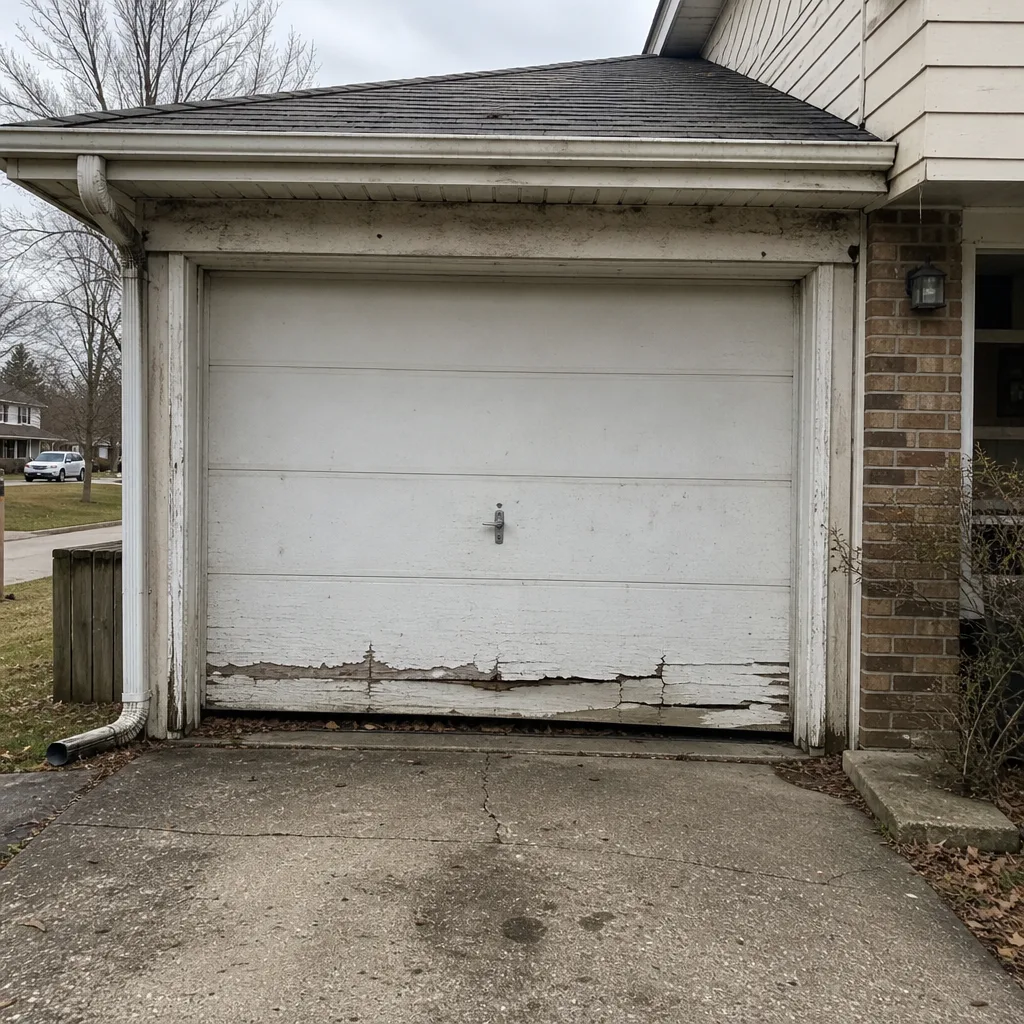 Before
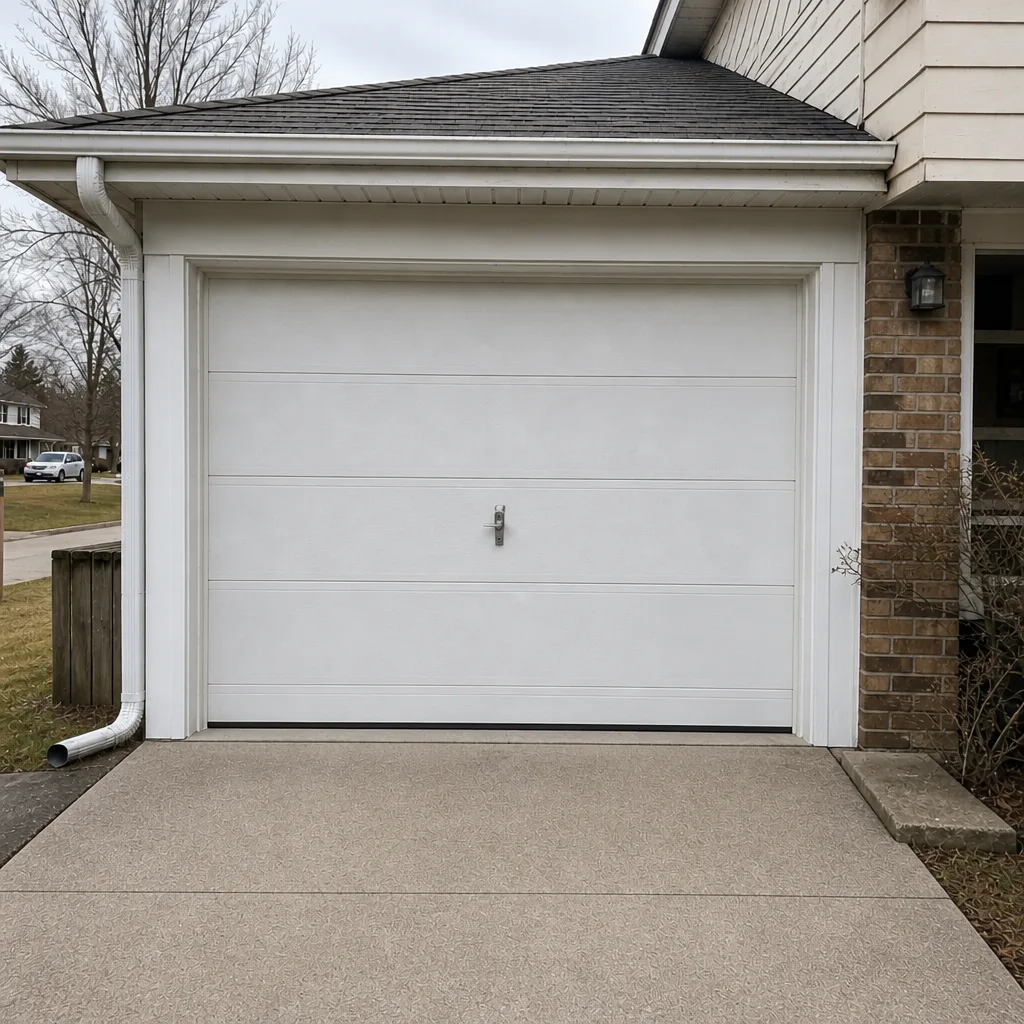 After
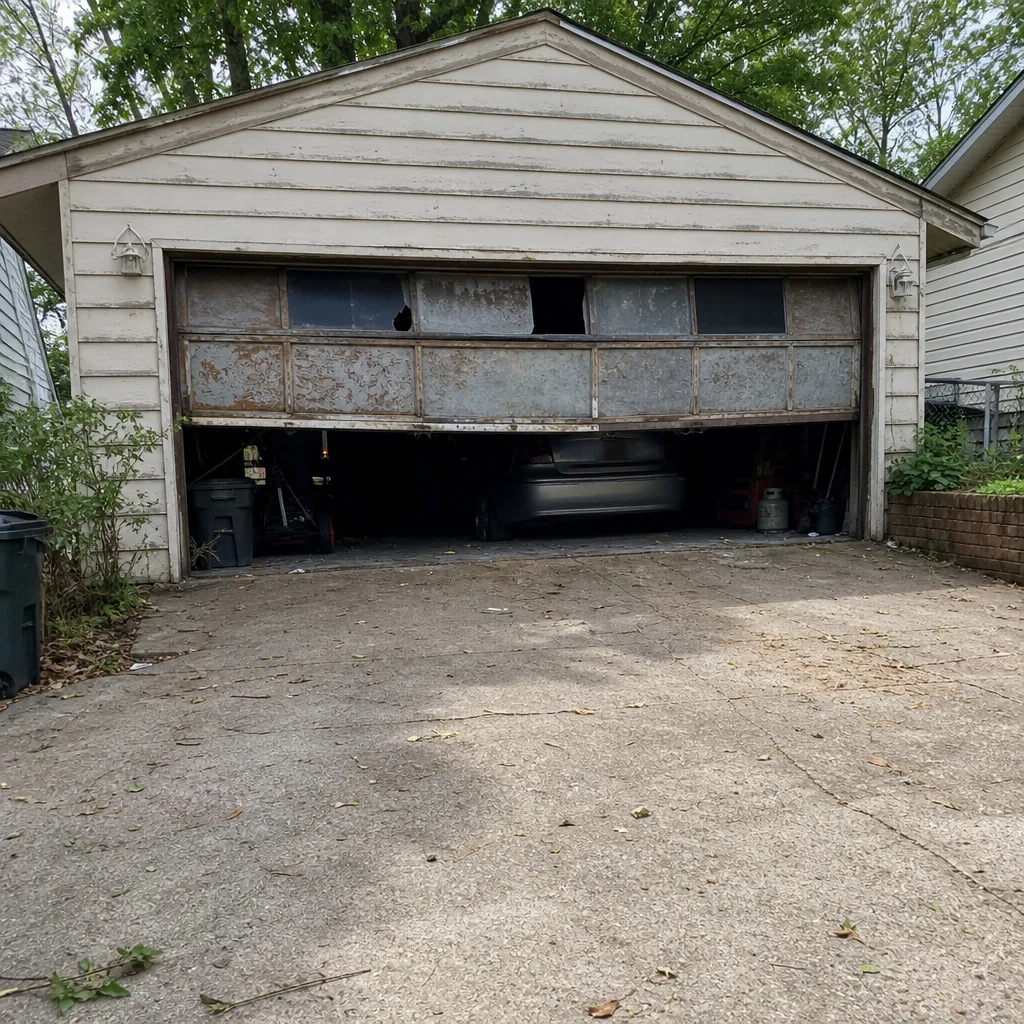 Before
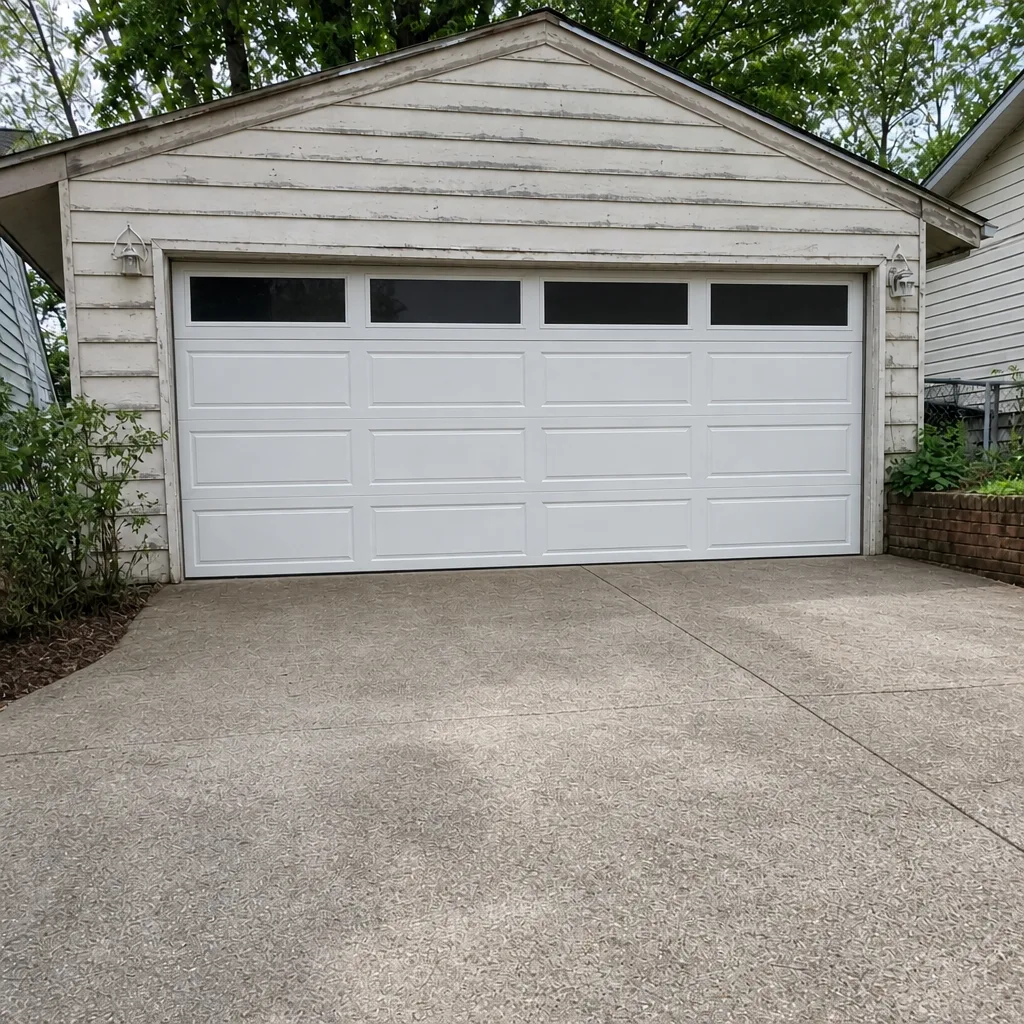 After
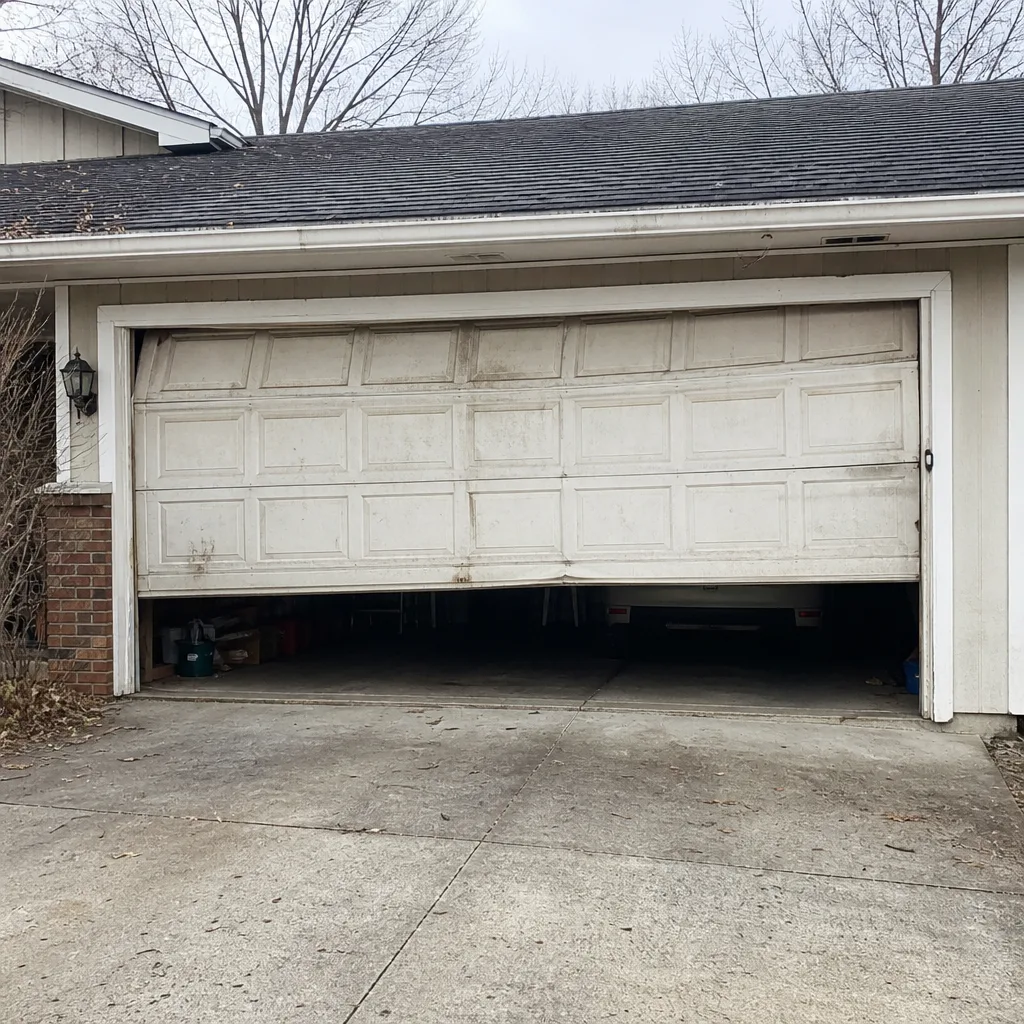 Before
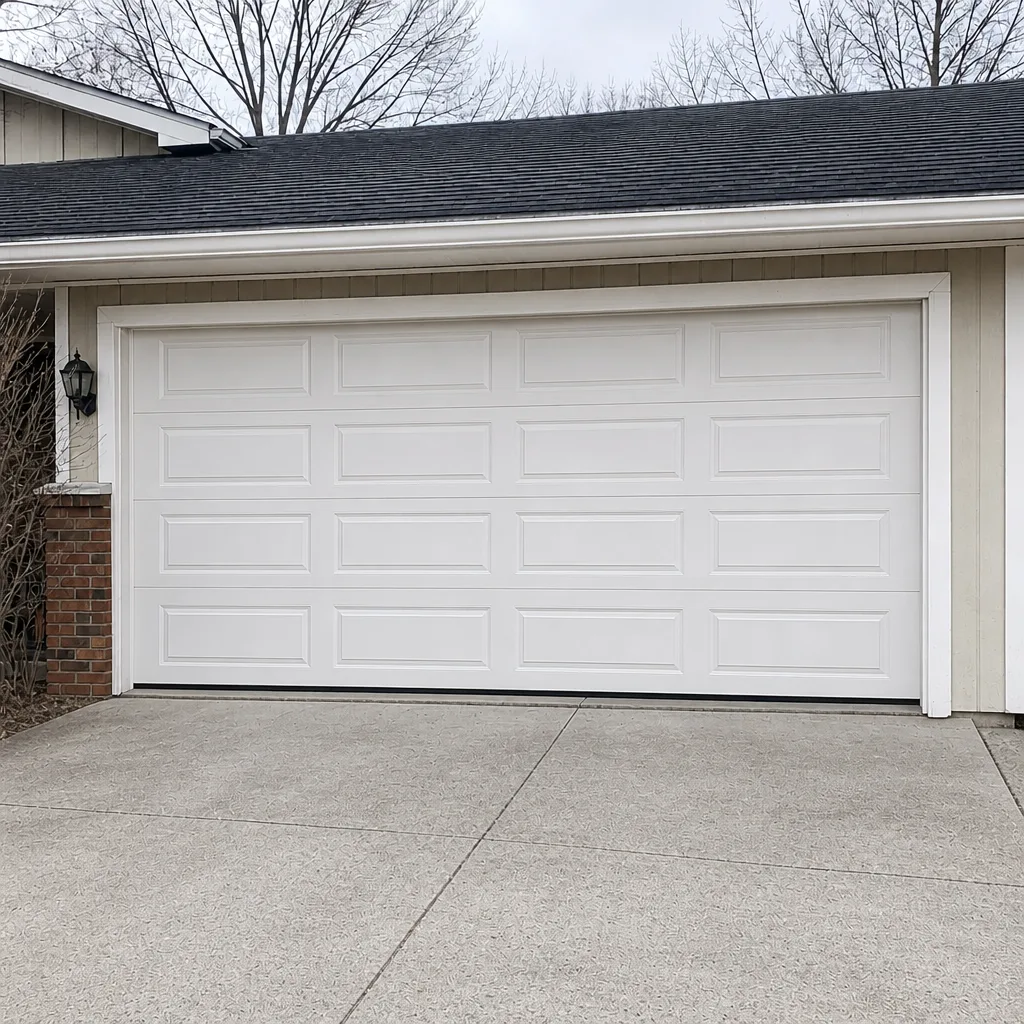 After
When to Call a Professional
Call us when the problem is anywhere in the springs, cables, or off-track category, when the door is hanging crooked, or when you can’t safely identify the fault. Call for a broken spring, a door that drops hard, a frayed or slipped cable, an opener that runs without moving the door, or any situation where the door is trapping a car or leaving your home exposed. We treat emergency service as a core part of what we do, not an upsell, and we’re available when a failed door blocks access or creates a security problem. Garage Door Repair Oakville offers free estimates in Oakville – call (877) 792-7376. We quote the price and agree it with you before any work starts, so there’s no surprise invoice when the job is done.
Frequently Asked Questions
Most common repairs in Oakville fall into a modest range for a single component fix, and a repair touching multiple components costs more because more parts and labor are involved. A spring repair is priced per spring, and if your door has two springs they’re usually replaced as a matched pair. The written estimate sets the final price, and we agree it before any work starts. Call (877) 792-7376 for an exact quote – estimates are free.
No. A torsion or extension spring holds hundreds of pounds of stored energy under tension, and releasing it the wrong way can cause severe injury. There is no safe home repair for a broken spring. Call a technician with the proper winding tools and safety protocols. Our technicians handle spring repair as a dedicated service for this reason.
A door that opens but won’t close is almost always a safety sensor problem, not an opener failure. Check that both photo-eye lenses are clean, aligned with each other, and that their indicator lights are on. If the lights are on and the door still reverses, the problem could be a force setting or a wiring fault. Call (877) 792-7376 if it doesn’t clear with cleaning and realignment.
The price is quoted and agreed before any work begins, so what you’re told is what you pay for the scope you approved. If we open the door and find a second problem, we’ll explain it and quote that separately before touching it. You never get an invoice for work you didn’t agree to first.
Pull the manual release cord to disconnect the trolley, then lift the door by hand. If it lifts easily and stays up, the mechanics are fine and the fault is in the opener. If it’s very heavy or drops, the door mechanics are the problem, most likely springs or cables. Do this only with the door fully closed, and stop lifting if it’s heavy.
Yes. Cold contracts steel springs and can make an aging door feel heavy or cause a near-failure to finally snap, while heat expands them. Metal tracks and door panels expand at different rates over a season, so a small misalignment can develop into a bind on one side. Expect seasonal changes to reveal problems that were already developing, not create them from nothing.
The local professional we connect you with is licensed and insured as the state requires. Our technicians have up to 8 years of experience and work on the brands installed in Oakville homes, including LiftMaster, Chamberlain, Genie, and Clopay. Call (877) 792-7376 to discuss your door.
We work on the brands already in your garage, which means we can diagnose and source parts for the door and opener you own rather than suggesting a generic substitute. Our range includes LiftMaster, Chamberlain, Genie, Clopay, Amarr, Wayne Dalton, Craftsman, and Raynor, covering both door manufacturers and drive systems. If your brand isn’t listed, give us a call and we’ll tell you honestly whether we can help.
The Bottom Line
“Garage door won’t open” is a symptom with at least nine possible mechanical causes. The fastest way to the right fix is to identify which of the five categories you’re in: opener, springs, cables, tracks, or sensors. The disconnect test isolates the opener in under a minute. Anything touching springs or cables is a stop-and-call situation, no exceptions. Everything else can be checked and, in some cases, resolved on your own. In Oakville, seasonal temperature swings make springs, tracks, and sensors the components most likely to need attention. When you need a trained hand, one call covers the door, the opener, the springs, and the hardware. We quote before we start, so you know the price going in. Call (877) 792-7376 for a free estimate.
Written by the team at Garage Door Repair Oakville.