Last updated November 23, 2026
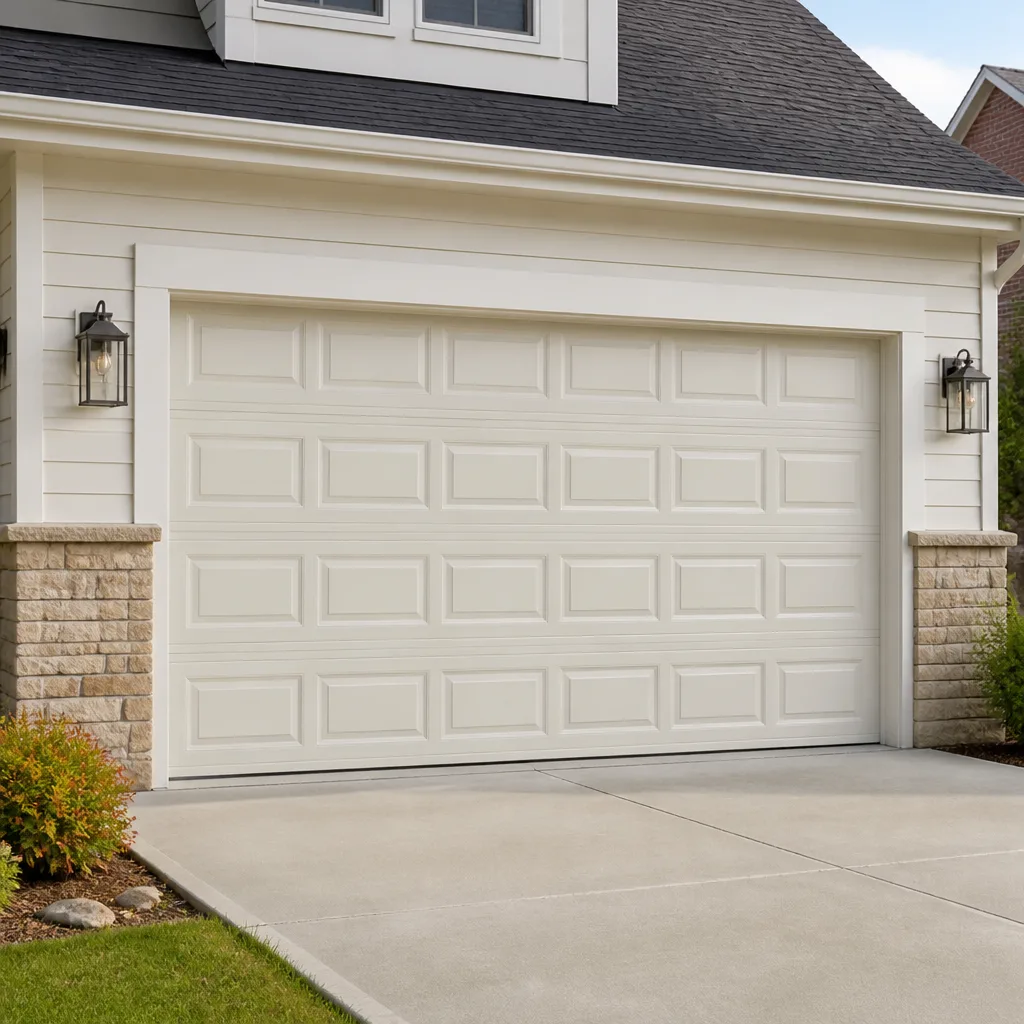 Raised-panel steel
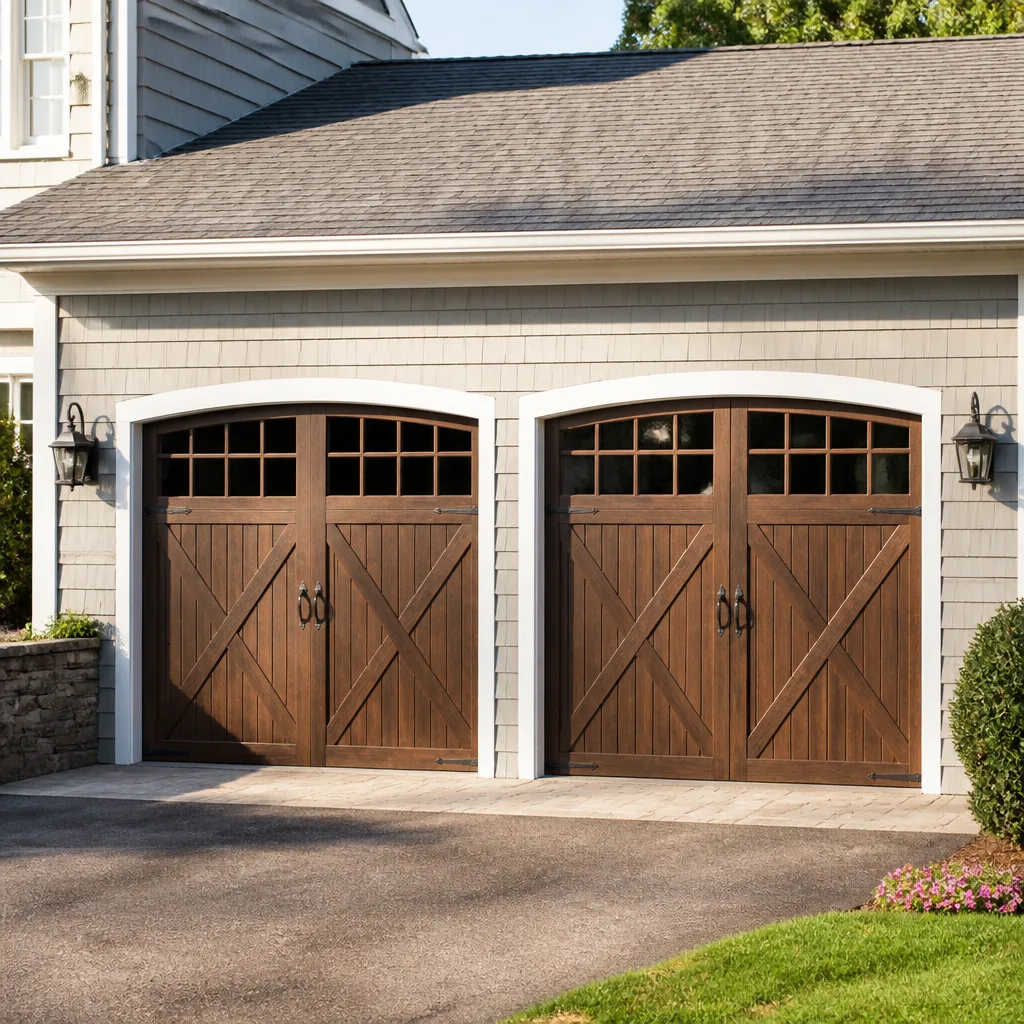 Carriage house
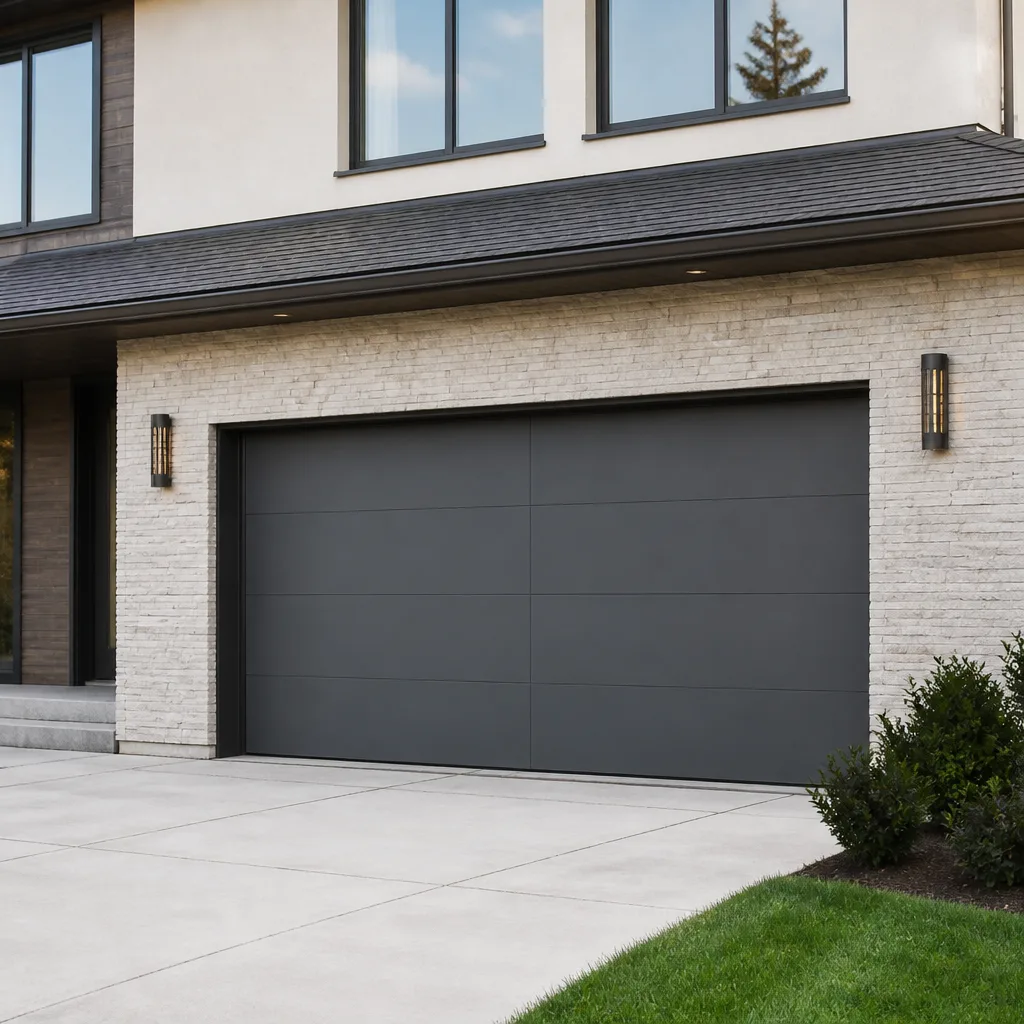 Modern flush
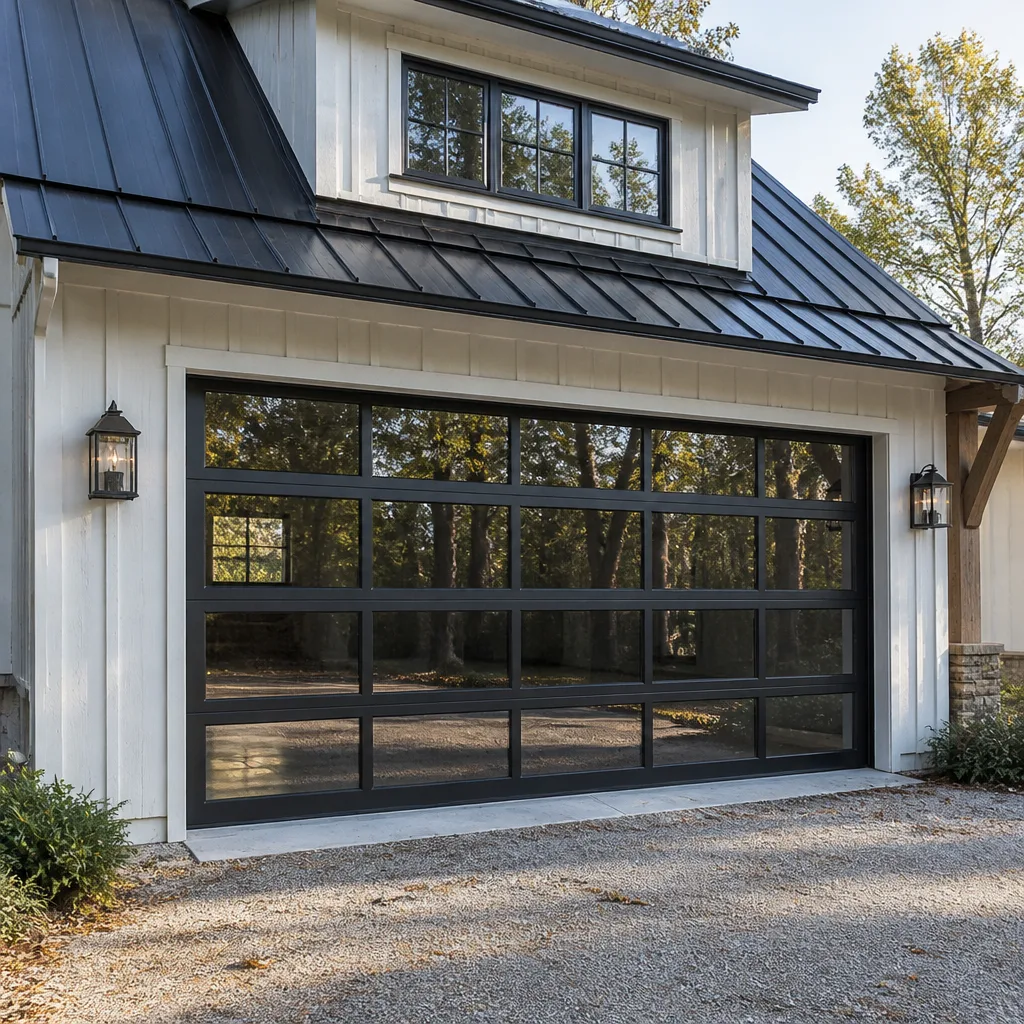 Full-view glass
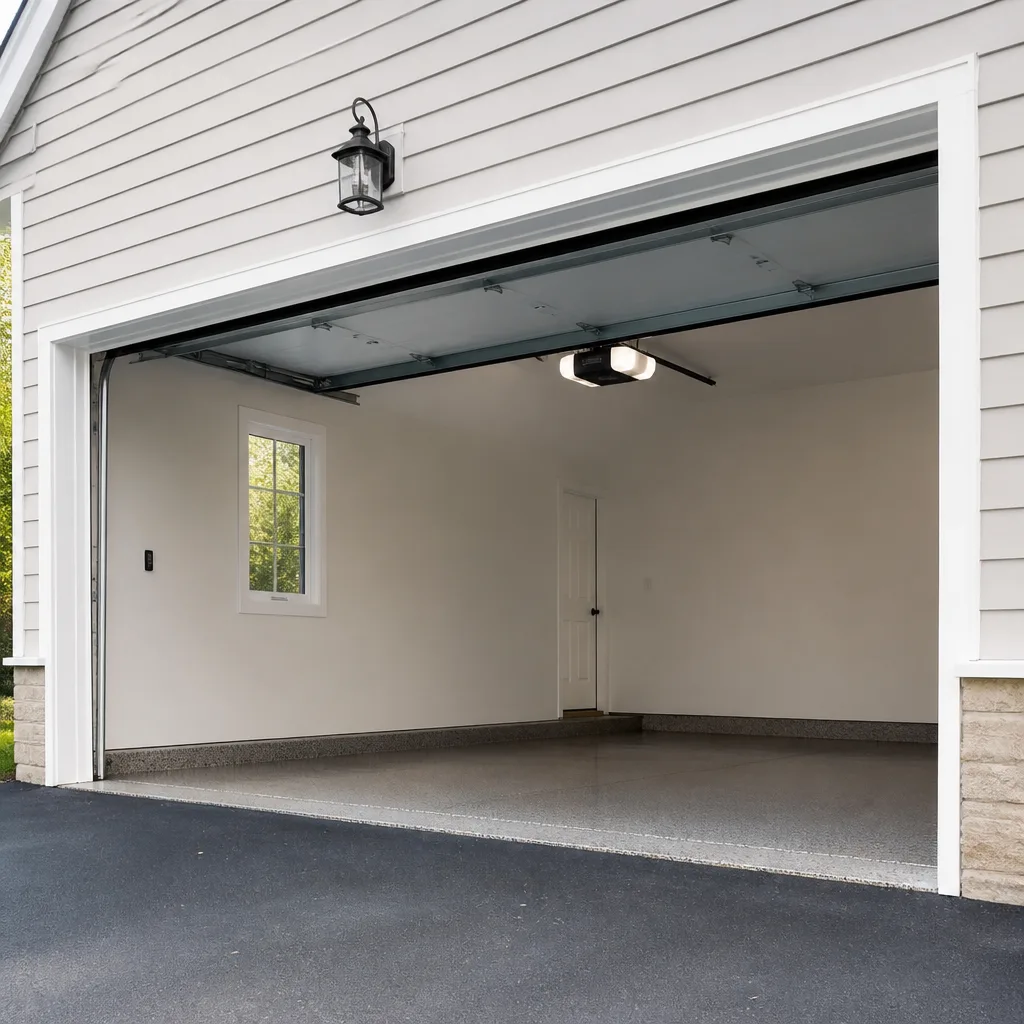 LiftMaster openers
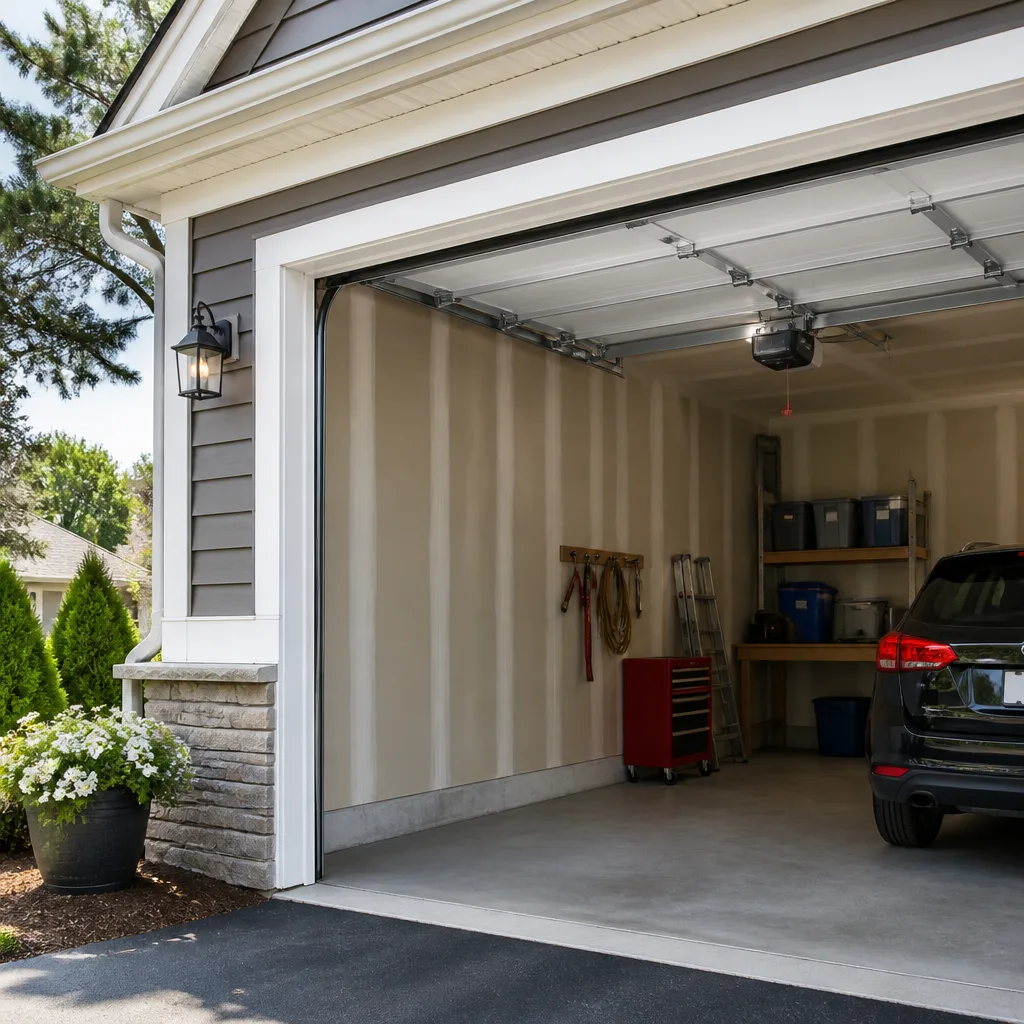 Chamberlain openers
Full 25-point door and opener safety check with every visit - springs, cables, rollers, tracks, and your LiftMaster or Chamberlain opener included
You get a price before we start. It does not change when the pro arrives.
Get your free estimateChoosing the Right Garage Door Brand: A Buyer’s Guide for Oakville
Most brand guides are written like brochures. They compare steel thickness on paper, praise a decade-long warranty, and never mention what happens when a panel gets dented on a Tuesday and you need a replacement before the week is out. Here’s the uncomfortable truth: a door with a 25-year finish warranty does nothing for you if the panel design you chose takes weeks to ship to the St. Louis metro. Local parts availability is the variable that decides how long your door sits open, unsecured, while you wait.
This guide looks at garage door brands the way an Oakville homeowner actually experiences them after the install. Parts inventory in the metro, how local technicians know each system, how warranties perform when a spring snaps instead of a panel fading. By the end you’ll know how to read a spec sheet, which questions to ask before you sign, and why the highest-rated brand nationally isn’t automatically the right pick for a home in Oakville.
Quick Answer
The best garage door brand for an Oakville homeowner is the one with local parts availability, a construction method that suits your climate and household, and components a local technician can service without waiting on a factory order. Nationally, Clopay, Amarr, Wayne Dalton, and Raynor are all common door brands in the St. Louis metro, and LiftMaster, Chamberlain, Genie, and Craftsman cover most openers. The brand itself matters less than whether the dealer network and repair trade around Oakville can source it quickly.
Styles & brands we work with
- Raised-panel steel
- Carriage house
- Modern flush
- Full-view glass
- LiftMaster openers
- Chamberlain openers
Table of Contents
- Why Brand Choice Matters More After Installation Than Before
- Parts Availability in the St. Louis Metro: What Actually Ships Fast
- Door Brands in Oakville: Clopay, Amarr, Wayne Dalton, and Raynor
- Choosing an Opener Brand: Wi-Fi, Storm Season, and Smart Home Compatibility
- How Insulation R-Value Claims Are Measured (and Why the Same Number Performs Differently)
- Steel Gauge: What 24-Gauge vs. 25-Gauge Really Means for Dent Resistance
- Warranty Comparison: The Parts That Actually Fail Aren’t the Panels
- A Practical Buying Checklist for Oakville Homeowners
Why Brand Choice Matters More After Installation Than Before
A garage door is one of the few purchases in a home where the sticker matters far less than what happens three years in. The manufacturer builds a box and ships it. What determines your experience after that is the supply chain around your zip code, the familiarity of the technician who services it, and how the warranty handles the failure that actually happened. That’s true of any home system with moving parts, but it’s especially true of garage doors because so many components are brand-specific and so few are interchangeable.
Consider what a garage door is made of, mechanically. Panels, hinges, rollers, torsion springs, cables, drums, a track system, and an opener. Only the opener is genuinely a separate product. The panels are proprietary to the maker. The spring system is spec’d to the door’s weight and size. Hinges and rollers often interchange, but sometimes don’t. When something fails, the question isn’t “which brand has the best reputation” – it’s “which brand’s parts can a technician in Oakville put on my door this week.”
In our experience, homeowners rarely compare brands on this axis. They compare door styles, warranties, and price. All three matter. But the fourth variable – local serviceability – is the one that tends to determine how long a door stays broken.
What “brand” actually covers
- Door panels – proprietary per maker, rarely interchangeable between brands
- Torsion and extension springs – usually built to the door’s specific weight, but often replaceable with generically sized springs a local technician stocks
- Openers – a separate product line, sold under LiftMaster, Chamberlain, Genie, Craftsman, and a few others; openers cross-compatible with most doors
- Track, hardware, and rollers – partially interchangeable, partially brand-specific
- Weather seals and trim – largely universal
The point: brand choice is a total-system decision. If you pick a door brand with strong local stock but pair it with an opener brand your local technician doesn’t service, you’ve moved the problem, not solved it. One call covers the door, the opener, the springs, and the hardware – that’s the standard the brand question should meet.
Parts Availability in the St. Louis Metro: What Actually Ships Fast
Parts availability is where brand guides usually go quiet, and it’s the thing Oakville homeowners should care about most. The St. Louis metro has strong dealer coverage for the major door manufacturers and the major opener manufacturers, but the depth of that coverage isn’t uniform. Some brands hold distributor inventory in the metro that a dealer can pull from quickly. Others stock only at the factory and require an order for anything beyond the most standard size.
Here’s the practical distinction that matters when a door is down:
- Metro-stocked parts – common panel sizes, standard springs, and openers for the biggest brands. A local technician can often put these on a door within a few business days. Panel designs sold in high volume in the region tend to be stocked; custom or recently discontinued designs usually aren’t.
- Factory-order parts – custom colors, unusual panel profiles, and doors from smaller or regional makers. These typically ship from the manufacturer, and lead time depends on production schedules, not on your urgency.
- Discontinued parts – the toughest case. A design that’s been retired is not manufactured anymore, which means either a close-match replacement or a full door replacement. Brand choice earlier in the process is what avoids this outcome.
Clopay, Amarr, and Wayne Dalton are common enough in the St. Louis metro that a homeowner choosing one of their standard panel sizes is usually in the first category. Raynor has strong dealer coverage too. But “usually” is the operative word. When you’re comparing quotes, ask the dealer directly: do you pull parts from a metro warehouse, or does this come from the factory? If the answer is the factory, ask the lead time in writing.
What to ask before you buy
- Is this panel profile stocked locally, or does it come from the factory?
- How long does a replacement panel typically take to arrive in the St. Louis area?
- If the door is damaged, does the warranty cover the panel or just the finish?
- Do you service the opener brand I’ve chosen, or is that a different call?
- Are the springs on this door standard sizes that a local technician can replace, or are they proprietary?
The brand rarely decides these questions on its own. The dealer network and the local service trade decide them, which is why brand research and dealer research happen together in Oakville, not one after the other.
Door Brands in Oakville: Clopay, Amarr, Wayne Dalton, and Raynor
The four door brands you’ll encounter most often on a home in Oakville are Clopay, Amarr, Wayne Dalton, and Raynor. All four have solid reputations, all four offer steel, insulated, and carriage-house styles, and all four have strong enough dealer coverage in the St. Louis metro that a homeowner choosing them isn’t taking a supply risk. Where they differ is in construction methods, insulation delivery, and parts ecosystem – not in broad quality.
Clopay is the widest-distributed of the four, which shows in parts availability. If you walk into a garage in Oakville, there’s a decent chance the door is a Clopay. Their lineup spans entry-level steel through insulated carriage house, so homeowners compare across their range more than they compare Clopay to a competitor.
Amarr tends to sit in the same tier as Clopay with a focus on insulated steel doors. Their construction historically favors a sandwich construction at higher price points, which matters because that’s the method that delivers the strongest thermal performance. Amarr’s panel designs are common in the metro, so parts availability is similar to Clopay for standard profiles.
Wayne Dalton is the brand many Oakville homes with carriage-house style doors are running. Their foam-injection method of insulation is well known and delivers good numbers, though it’s a different manufacturing method than the sandwich-style doors Amarr and Clopay offer at similar price points. Wayne Dalton parts are metro-stocked for common designs.
Raynor is the fourth major brand in the region. Their doors tend to sit at the upper end of the residential range, with heavy-gauge steel options. Raynor dealer coverage in the St. Louis metro is solid, but parts availability for less-common designs can sometimes be a bit slower than the big three because their volume is lower.
What this means in practice
The honest answer is that all four brands are meaningfully comparable on core quality. If you’re comparing a Clopay 4050 to an Amarr Classica at similar price points, the difference will come down to which panel design you prefer visually rather than which one is going to last longer. The variable you can actually move the needle on is which door best fits a common size and common style – that’s what makes it locally serviceable when something fails.
Our technicians work on all four brands, and when something needs diagnosis, having worked on the make and model before makes the difference between a straightforward repair and a guessing game. When a door is off-track in Oakville and a homeowner is calling around, brand familiarity is what gets it fixed correctly the first time. garage door repair on a Clopay or Wayne Dalton door is a different job than on a door the technician has to reverse-engineer.
Choosing an Opener Brand: Wi-Fi, Storm Season, and Smart Home Compatibility
The opener is a separate product with its own brand evaluation criteria, and it deserves its own buying questions. Most Oakville homeowners have an opener from one of four families: LiftMaster, Chamberlain, Genie, or Craftsman. Chamberlain and LiftMaster are closely related (both owned by the same parent company), Genie is a distinct manufacturer, and Craftsman is a Chamberlain-built line sold at Sears and later through other channels. Knowing that genealogy helps, because it means “different brands” often share internal components.
Here’s what actually matters when you evaluate an opener for a home in Oakville:
- Wi-Fi reliability under Missouri summer storms – connected openers depend on a stable Wi-Fi signal. The St. Louis summer pattern brings frequent afternoon thunderstorms and occasional outages. An opener that reconnects cleanly to your Wi-Fi after a power cycle is easier to live with than one you have to re-pair every time the router reboots. Check whether the opener’s app has an automatic reconnection behavior, and whether the opener stores its schedule locally or depends on a cloud service.
- Home automation compatibility – if you’re running Amazon Alexa, Google Home, or Apple HomeKit, verify compatibility with the specific model. LiftMaster and Chamberlain’s myQ system is the broadest-integrated platform on the market, with native support for the major ecosystems. Genie’s Aladdin Connect is solid but with a narrower third-party ecosystem. Craftsman openers, depending on the vintage, range from fully smart to smart-home-friendly only through a bridge.
- Battery backup – increasingly relevant as power interruptions from summer storms roll through Oakville. A battery-backup opener keeps the door operable when the house is dark.
- Quietness for bedrooms above the garage – belt-drive openers (common on LiftMaster and Chamberlain) run noticeably quieter than chain-drive, which matters when the garage shares a wall with a bedroom. This is a construction decision, not a brand one, but the availability of belt-drive varies by brand.
- Local serviceability – any of these four brands can be serviced by a technician with training on them. But specialty parts (wall consoles, travel modules, safety sensors) do vary, and having a technician who knows which failure modes are common on your specific model speeds diagnosis.
Our technicians have up to 8 years of experience, and they’ve worked on all four opener families enough to recognize the pattern failures fast. When a garage door opener repair call comes in for a LiftMaster that won’t close, we know which parts to check first. That’s not a brand preference – it’s just time spent on the machines.
How Insulation R-Value Claims Are Measured (and Why the Same Number Performs Differently)
R-value is the most misread spec on a garage door quote, and it deserves a plain explanation. R-value measures thermal resistance in a lab, using a specific test method. Two doors rated at the same R-value can perform differently in a real garage because of three factors the rating doesn’t capture: how the insulation is installed, how the panels fit together, and how much air moves through the perimeter.
The three construction methods you’ll see across Clopay, Amarr, Wayne Dalton, and Raynor:
- Polystyrene insulation, unfilled panels – the cheapest option, thin foam between a single steel skin. R-values are low (often R-4 to R-6) and air infiltration through the seams is highest. Fine for a detached or unconditioned garage.
- Foam-injection construction – expanded foam fills the panel core and bonds to the steel. Wayne Dalton’s common method. Delivers good R-values because the foam fully fills the cavity, and prevents the steel from flexing enough to crack at the edges.
- Sandwich construction (polyurethane) – the highest-performing method, usually at higher price points. Steel on both faces, polyurethane foam between. R-values commonly hit R-12 to R-18 on these panels, though the exact figure varies by model and gate thickness. The two steel skins also resist dents better because the outer skin has a rigid inner skin behind the foam.
Why the same number performs differently: a door rated R-16 with polyurethane sandwich construction has better air-sealing properties than an R-16 foam-filled door because you can also add tighter perimeter seals at the track and between panels. The R-value only describes what’s happening through the panel face. It doesn’t describe what’s happening at the edges. That’s why an Oakville homeowner in an attached-garage home with a conditioned room above will feel a bigger difference going from a polystyrene to a polyurethane door than the R-number alone suggests.
What this means for an Oakville garage
St. Louis summers are hot and humid, and winters bring occasional hard freezes. A garage shared with the house and a bedroom above it is where insulation matters most. If the garage is detached and unheated, a high R-value gains you very little. If the garage has ductwork running through it or a conditioned room above, sandwich construction pays back in comfort and in reducing how hard the HVAC next to it has to work.
Steel Gauge: What 24-Gauge vs. 25-Gauge Really Means for Dent Resistance
Steel gauge is one of those specs where a smaller number means thicker steel. 24-gauge is thicker than 25-gauge, and 25-gauge is thicker than 26-gauge. So when a door quote says “25-gauge steel” and another says “26-gauge,” the first door’s steel is actually thicker. Most homeowners read the number the other way around, which is understandable. Gauge is a wire diameter convention, not a thickness convention.
What the difference actually means in practice is dent resistance. A 24-gauge skin is more rigid than 25-gauge, and a door with a 24-gauge face on a household with kids and bikes in the garage will dent less than the same door in 25-gauge. The difference is noticeable when the door is struck by a bike, a basketball, or a car door opening too close. It’s not a dramatic difference – thicker gauge isn’t armor – but it’s the kind of thing that quietly matters over a decade or two.
Where this gets marketed badly
A lot of door quotes lead with gauge like it’s a brand-differentiator. In reality, all four major brands offer tiers in both 24 and 25 gauge. Clopay sells both. Amarr sells both. Wayne Dalton offers both. Raynor tends toward heavier gauge across their residential range, which is part of why their doors sit at a higher price point. The gauge difference is a price-tier decision, not a brand decision.
What to choose
- High-traffic household with kids and cars in a tight garage – 24-gauge is worth the upcharge on the front panels at minimum. The rear and inner panels are usually a lighter gauge from the factory, and that’s fine because they don’t take the impact.
- Quiet, low-traffic garage – 25-gauge is fine, especially on rear panels. Put the gauge upgrade money into insulation instead if the garage is attached.
- Carriage-house style doors on a visible facade – 24-gauge because those panel designs have more surface area per panel and a dent shows more.
If you’re replacing a door and a panel gets dented later, the gauge of the original matters, because a thinner replacement panel on a door originally built in 24-gauge will look and behave slightly off. When you keep the spec sheet, the repair goes quickly. That’s why we tell Oakville homeowners to save the door spec sheet – it’s the document that makes a future Garage Door Repair Oakville visit smoother.
Warranty Comparison: The Parts That Actually Fail Aren’t the Panels
Every major manufacturer ships with a strong panel warranty. Clopay, Amarr, Wayne Dalton, and Raynor all offer multi-year panel and finish warranties that are, in practice, rarely invoked. Panels occasionally fade or delaminate, and when they do the manufacturer honors the claim. But panels almost never fail in a way that puts the door out of service. Springs and cables do, and that’s where the warranty conversation should focus.
Here’s the reality of the components that actually fail:
- Torsion springs – typically rated by cycle count, not by years. A standard spring carries a cycle rating the manufacturer publishes; heavier-use springs carry a higher rating at higher cost. Springs are usually considered wear items and are typically excluded from a door’s main warranty. That’s not a manufacturer dodge, it’s an honest acknowledgment that a spring is a mechanical wear part.
- Cables – also wear parts. Usually excluded. Frayed cables are a safety issue, not a warranty claim.
- Rollers – wear parts. Usually excluded.
- Hinges – sometimes covered, sometimes not, depending on the manufacturer’s classification.
- Openers – covered under a separate warranty from the opener manufacturer, not the door maker. Warranties on openers commonly cover the motor for the longest period (often the lifetime of the unit) and the electronics and belt/chain for shorter periods. LiftMaster, Chamberlain, Genie, and Craftsman all publish their own schedules.
What this means for a buyer: don’t choose a door brand based on a longer panel warranty. Choose it based on whether the failure you’re most likely to experience – springs and cables – can be serviced locally and correctly. A spring is a wear item on any brand. Having a company that handles that repair as a dedicated service, with trained handling of the highest-tension component in the garage, is what actually protects you.
That’s why we treat garage door spring repair as its own service and not a side-of-the-truck add-on. Garage door springs are the most dangerous component in your garage, and a warranty is not the mechanism that keeps them safe. Proper tools, training, and a written quote are.
A Practical Buying Checklist for Oakville Homeowners
If you’re standing in a dealer’s showroom comparing quotes, this checklist is the one to run through. It’s built around the same logic the rest of the guide uses: brand quality is table stakes, but serviceability is the differentiator.
- Confirm the parts are metro-stocked, not factory-order. Ask the dealer to name the nearest warehouse or distributor and confirm the standard panel designs are pulled from it. Get the lead time in writing if the panel is a custom color or size.
- Verify the warranty covers parts that actually fail. Ask what’s covered, what’s a wear item, and what’s excluded. Panel warranties are usually strong; spring, cable, and roller warranties are usually weak. Plan for that.
- Match the gauge to the household. 24-gauge on the front faces if the garage is high-traffic with kids or tight vehicle clearances. 25-gauge is fine on rear and inner panels.
- Choose insulation method by use, not by number alone. Sandwich construction if the garage shares a wall or ceiling with conditioned space. Polystyrene is fine if detached and unheated.
- Pick an opener from the four serviceable families. LiftMaster, Chamberlain, Genie, or Craftsman. Check Wi-Fi reconnection behavior and home automation compatibility before you commit.
- Confirm the technician handles the whole system. A company that only sells doors but not springs is a company you’ll have to call someone else for. One call covers the door, the opener, the springs, and the hardware.
- Get a written estimate that includes the full install. Old door removal, track alignment, spring tension setting, opener pairing, and cleanup. The written estimate should be the price, not a starting point.
Our technicians have worked on all four door brands and all four opener families. When we quote a door in Oakville, the estimate you agree to before work starts is the estimate we hold to. No surprises on the invoice.
Common Mistakes to Avoid
- Choosing a door brand from a national ranking without checking local serviceability. A brand that’s excellent nationally but thin on metro stock means a multi-week wait for a panel. Confirm the dealer’s local supply chain first.
- Buying based on the panel warranty. Panels rarely fail. Springs and cables fail. A long panel warranty doesn’t protect you from the failure you’ll actually experience.
- Mismatching the door and opener brands. A door brand your local technician services paired with an opener brand they don’t is the same problem moved, not solved. Confirm the whole system is serviceable from one call.
- Reading gauge the wrong way. Smaller number means thicker steel. A 24-gauge door is more dent-resistant than 25-gauge. If you’re choosing between two quotes and one is 24 and one is 25, the 24 is the more durable choice.
- Paying for insulation you won’t use. A high R-value on a detached, unheated garage is money spent on comfort you won’t feel. Put that budget into gauge or into a heavier spring rating instead.
- Ignoring Wi-Fi reliability on a connected opener. Missouri’s summer storm pattern means more router reboots than most people expect. Confirm the opener reconnects cleanly and keeps its schedule stored locally.
- Skipping the spec sheet. Keep the manufacturer, model, gauge, panel size, and spring weight of your new door. It’s the document that makes a future repair go faster.
- Assuming a warranty replaces a service plan. Springs are typically wear items on every major brand. Factoring in the eventual spring replacement cost is a more honest planning exercise than counting on a warranty.
See the difference
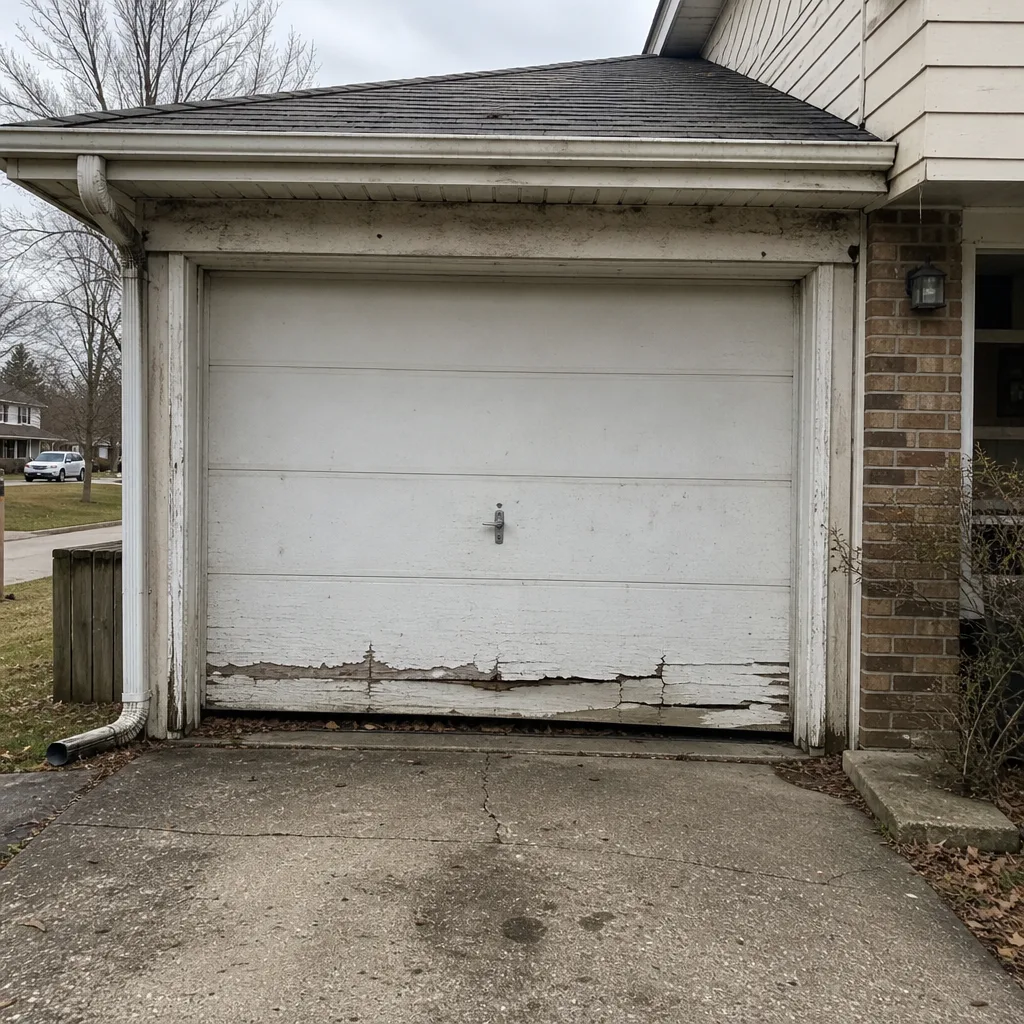 Before
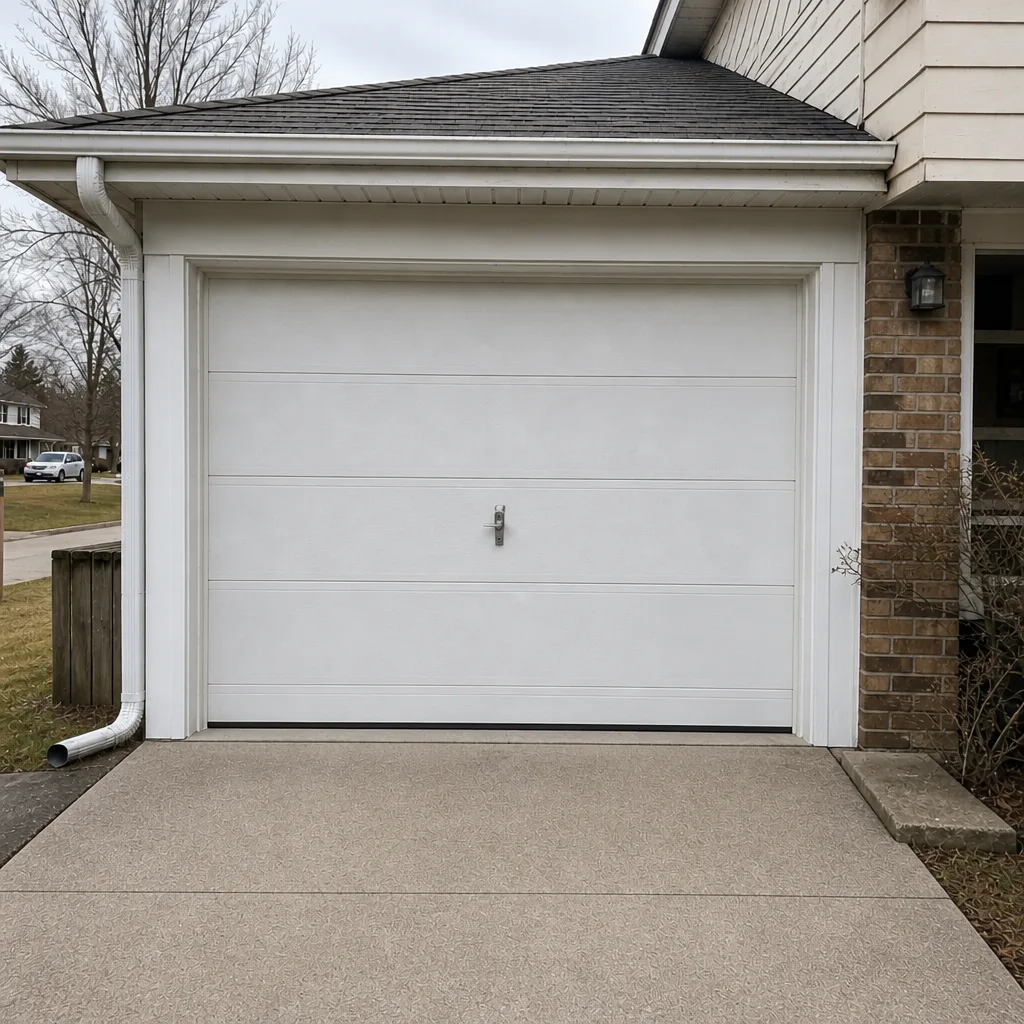 After
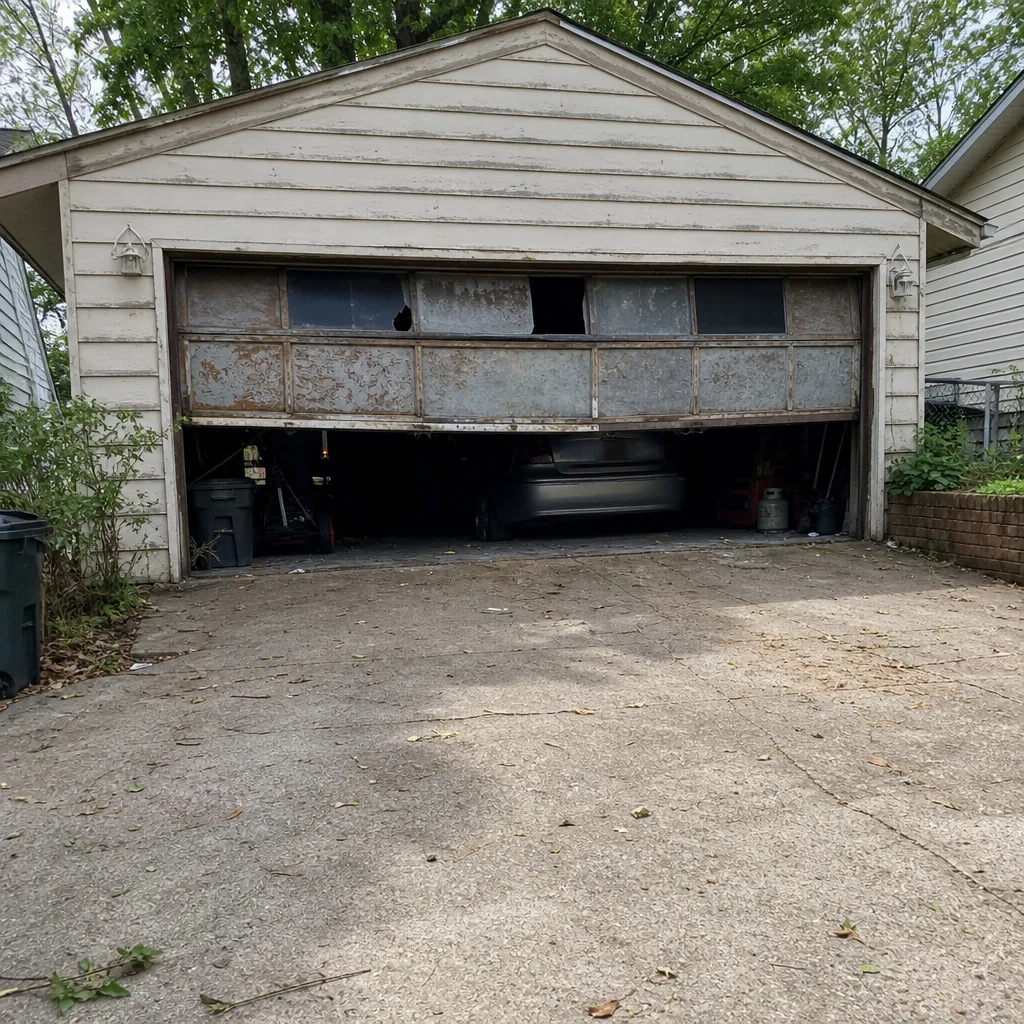 Before
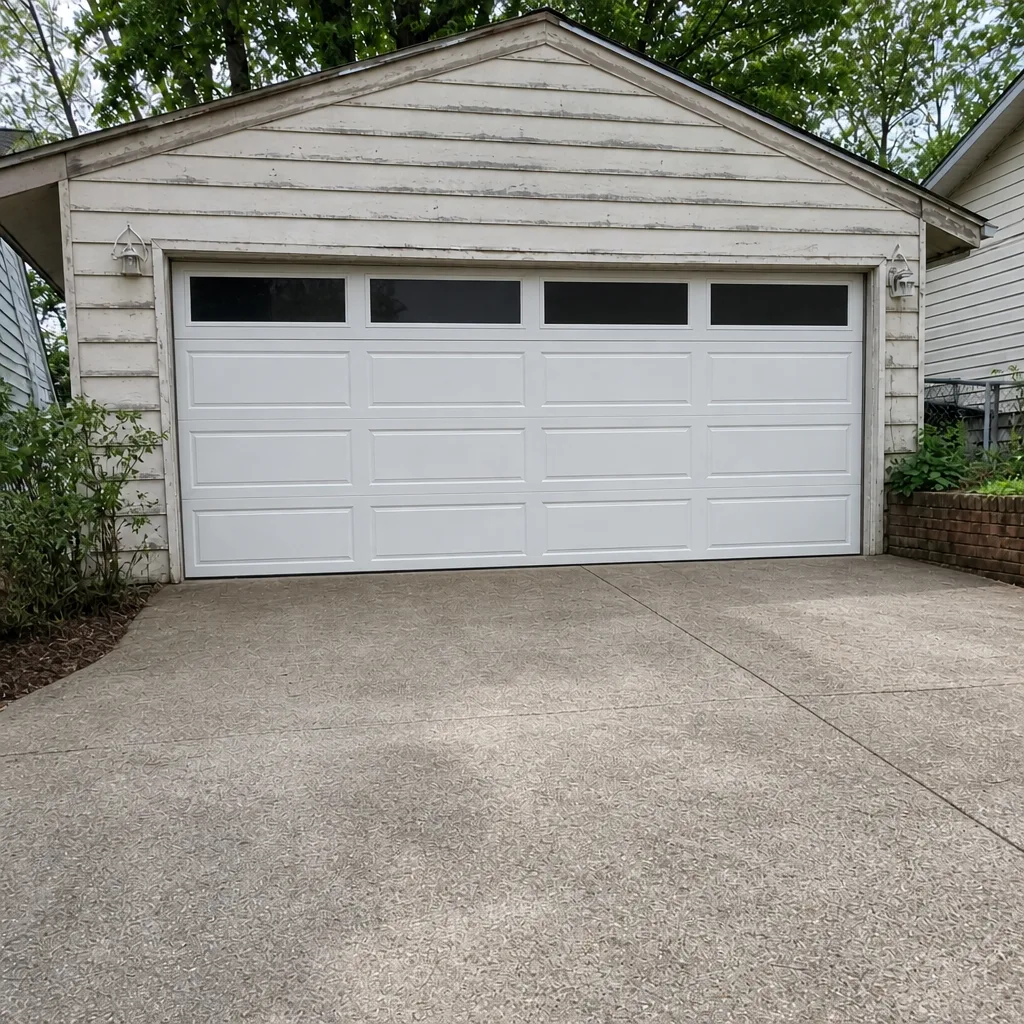 After
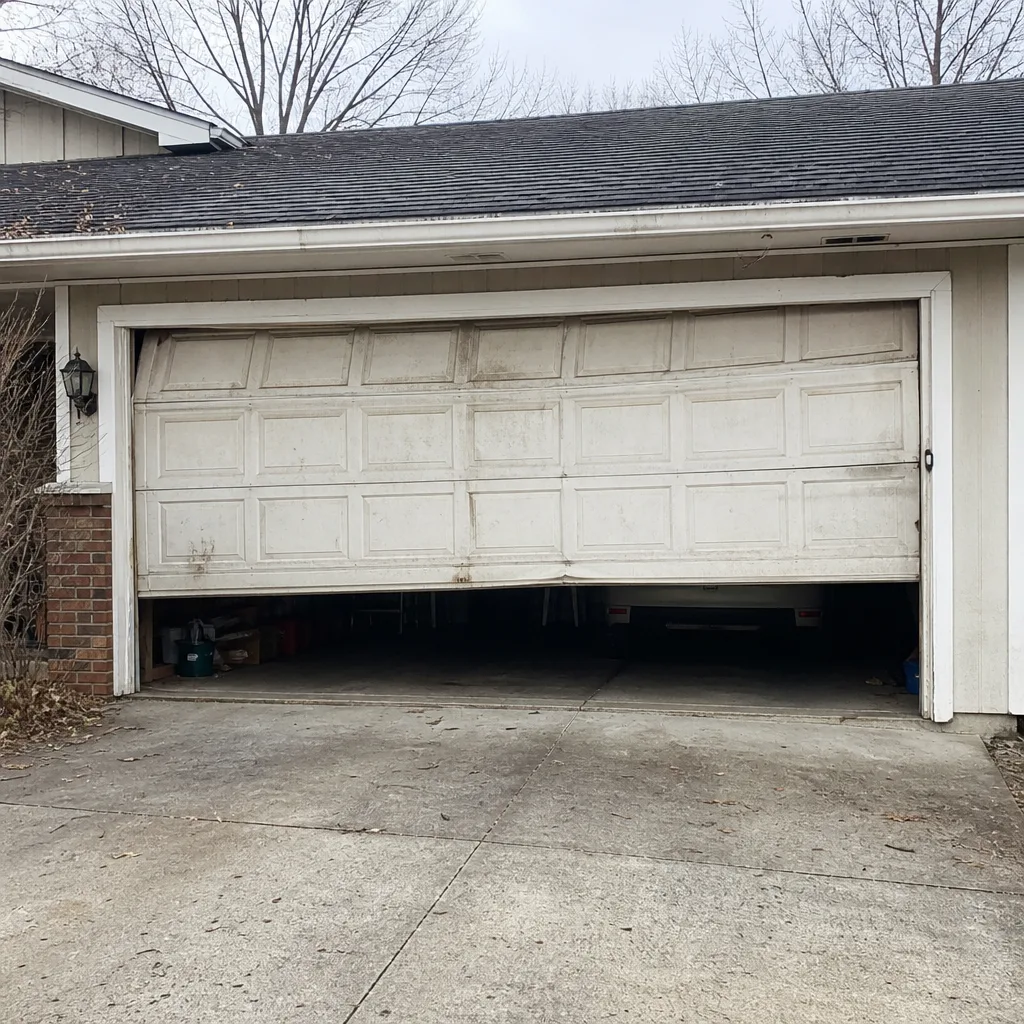 Before
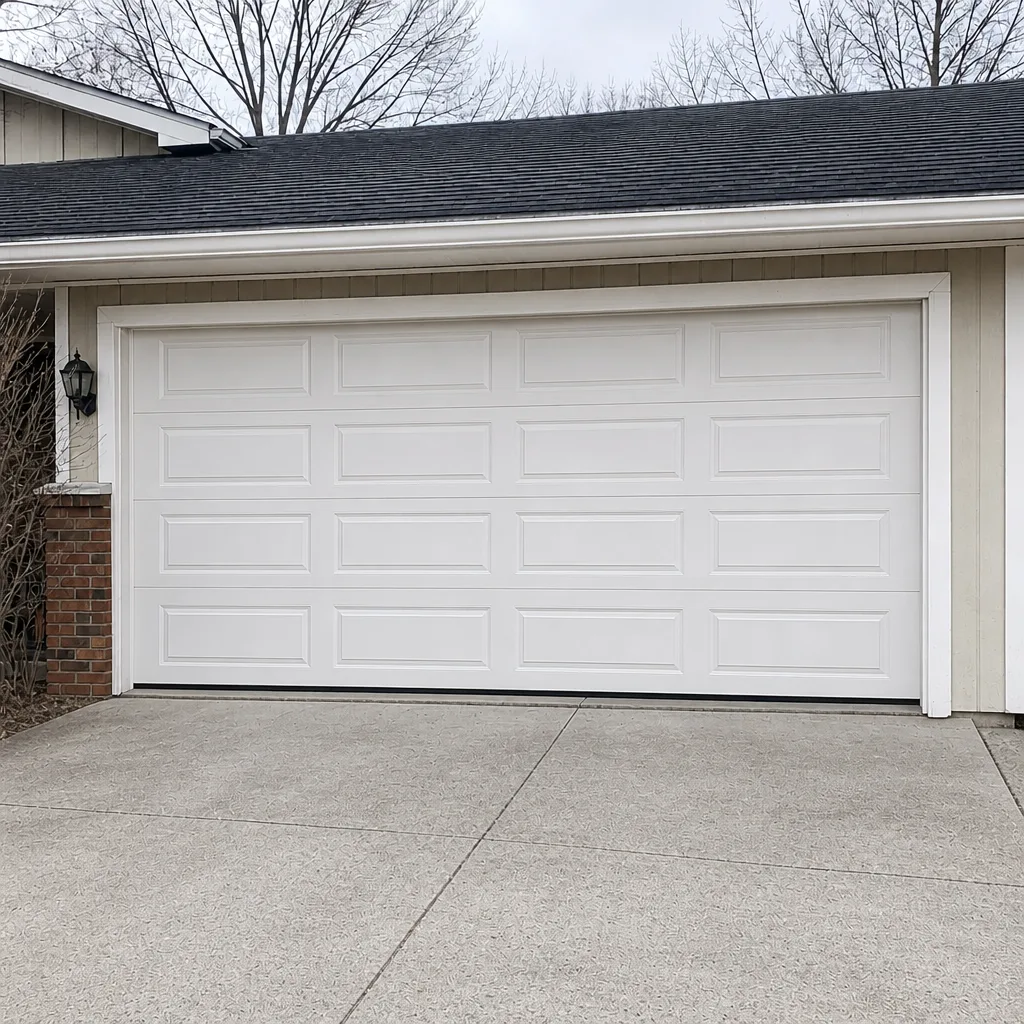 After
When to Call a Professional
Most garage door brand decisions can be made from a spec sheet. The failures that follow are where professional help genuinely matters. Call a technician when a torsion or extension spring snaps, when the door is off track, when the opener cycles and stops, when the safety sensors won’t stay aligned, when a panel is seriously dented or bent, or when the door opens unevenly. Springs and cables are under extreme tension and should never be handled without training. Trying to adjust a torsion system without the right tools and training is how serious injuries happen in a garage, and that’s true regardless of which brand is on the door.
Garage Door Repair Oakville offers free estimates in Oakville – call (877) 792-7376. Estimates are quoted and agreed before any work starts.
Frequently Asked Questions
Clopay, Amarr, Wayne Dalton, and Raynor are all strong choices for an Oakville home, with parts availability in the St. Louis metro that a local technician can usually pull quickly. The best choice for your specific home comes down to panel style preference, whether you need sandwich insulation for a shared wall with the house, and whether the dealer stocks the panel profile you’ve picked. Nationally top-rated brands are not automatically the right fit if the panel has to ship from the factory.
Prices vary based on the door style, insulation method, steel gauge, and whether the opener is being replaced at the same time. A written estimate from a local dealer is the only reliable way to know the number for your specific door. Call (877) 792-7376 for a free estimate – the quoted price is agreed before work starts.
LiftMaster and Chamberlain are separate product brands owned by the same parent company, and they share a great deal of internal engineering. The myQ smart-home platform is common to both and is the broadest-integrated option across Alexa, Google Home, and Apple HomeKit. Craftsman openers of recent vintage are also built by the same parent company, which is why parts and platform behavior feel familiar across all three.
Steel gauge affects dent resistance more than it affects lifespan. A 24-gauge door face resists damage from bikes, basketballs, and car doors far better than 25-gauge, but both will last decades with proper spring and roller maintenance. If you have kids in the garage or tight vehicle clearances, 24-gauge on the front faces is worth the upcharge. If the garage is quiet, 25-gauge on rear panels is perfectly fine.
R-value measures thermal resistance through the panel face, not air infiltration around the edges, between the panels, or at the track. Two doors with the same R-value can perform differently because one has tighter perimeter seals, a different insulation method (sandwich construction vs. foam-injection), and different panel-joint geometry. The construction method behind the number matters as much as the number itself.
Yes. We work on the brand already in your garage, which is why our technicians train across LiftMaster, Chamberlain, Genie, Clopay, Amarr, Wayne Dalton, Craftsman, and Raynor. Brand familiarity means faster diagnosis and better-fitting parts, and it’s why we can usually recommend a repair over a replacement when a repair is the honest answer. Call (877) 792-7376 and we’ll confirm the diagnosis and quote before any work starts.
The Bottom Line
The best garage door brand for an Oakville homeowner is the one your local technician can service quickly and correctly, built with a construction method suited to your garage’s use and household. National rankings are a starting point, not a decision. Clopay, Amarr, Wayne Dalton, and Raynor are all strong door brands in the St. Louis metro; LiftMaster, Chamberlain, Genie, and Craftsman are the opener brands to focus on. Choose the panel profile your dealer actually stocks, match the gauge to the household, pick insulation by the way the garage is used, and confirm the warranty on the parts that actually fail. Everything else is marketing.
If you’re still comparing or if a spring, opener, or panel has failed, call (877) 792-7376 for a free estimate. Our technicians have up to 8 years of experience across all eight brands, and the quoted price is agreed before any work starts.
Written by the team at Garage Door Repair Oakville.