Last updated November 23, 2026
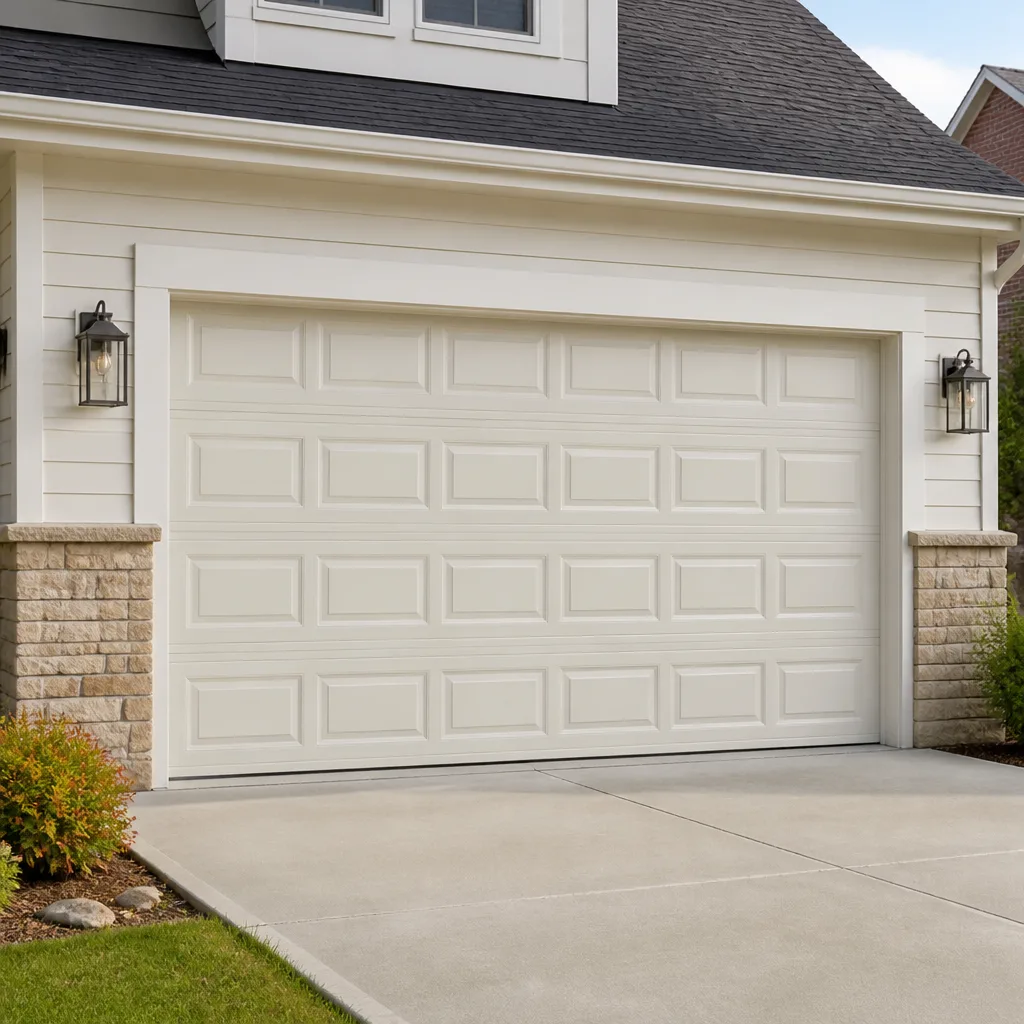 Raised-panel steel
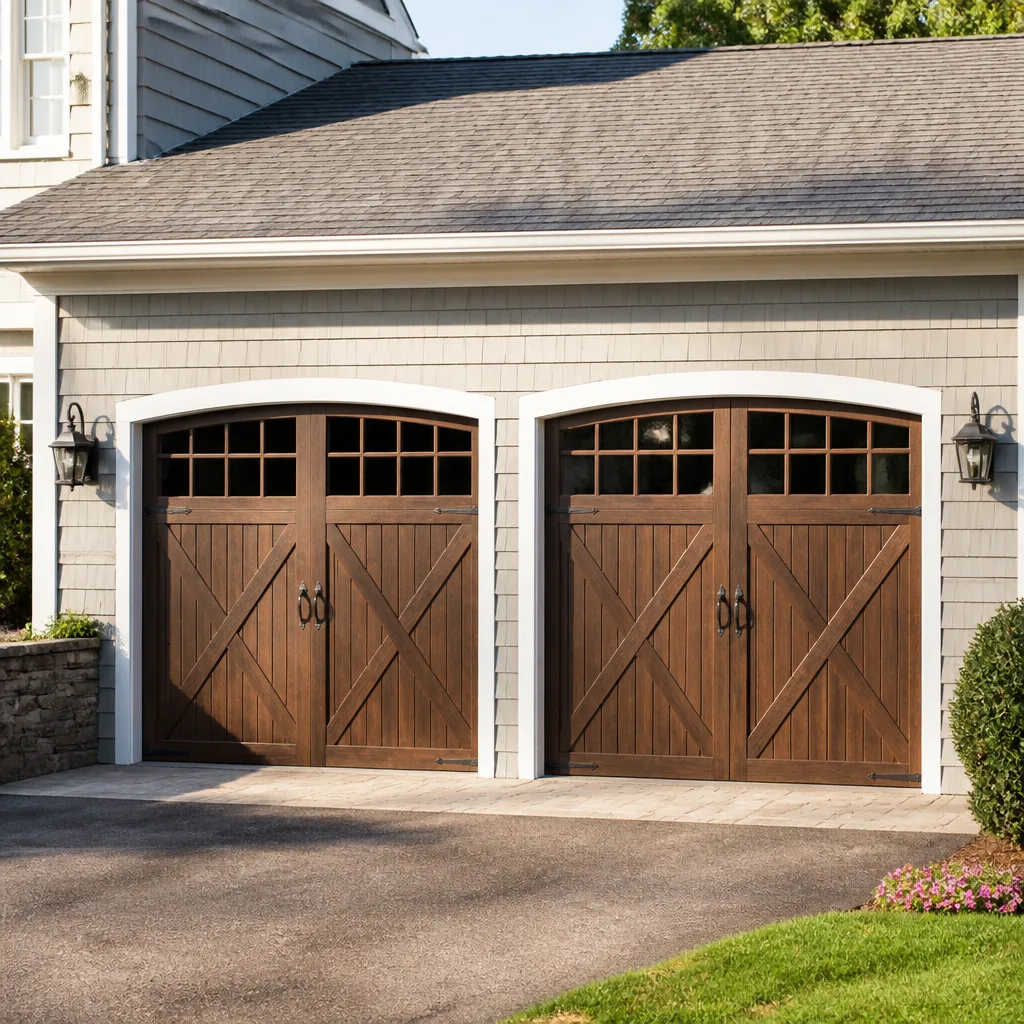 Carriage house
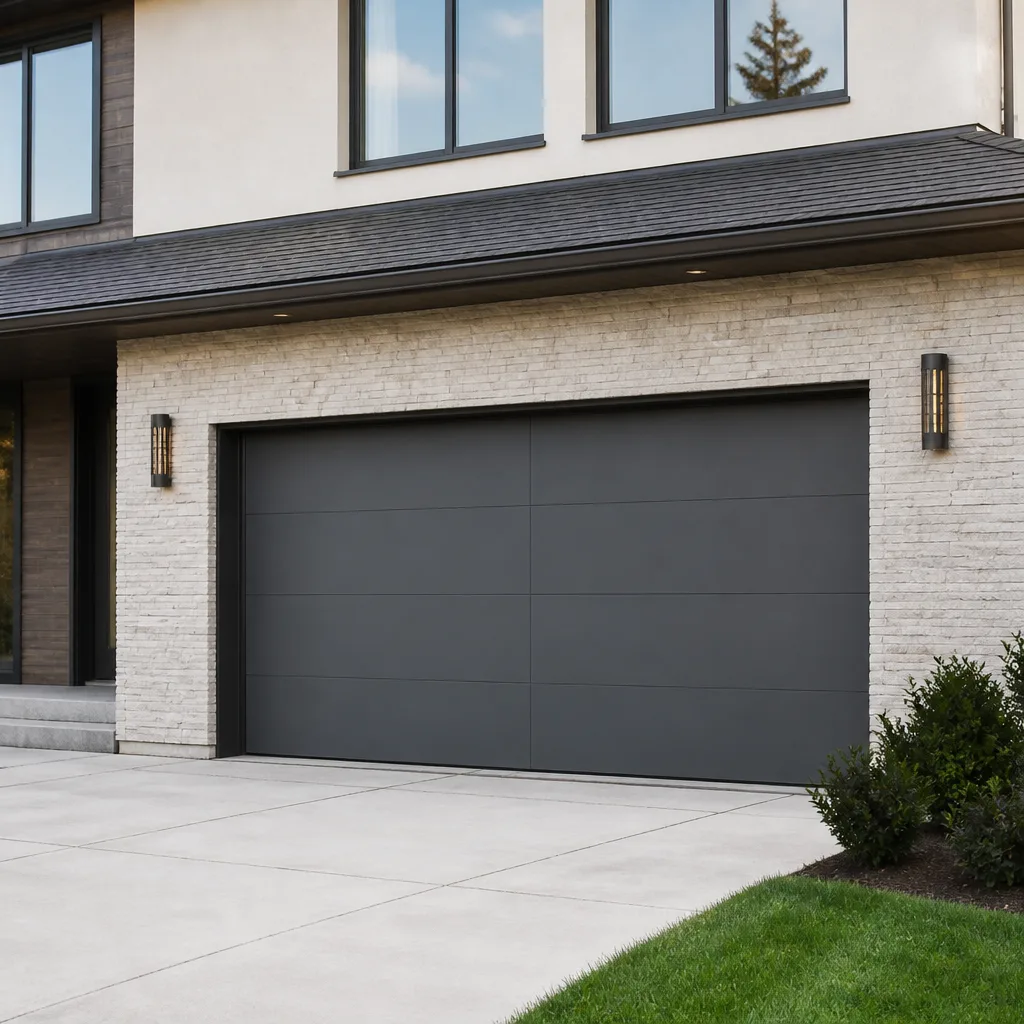 Modern flush
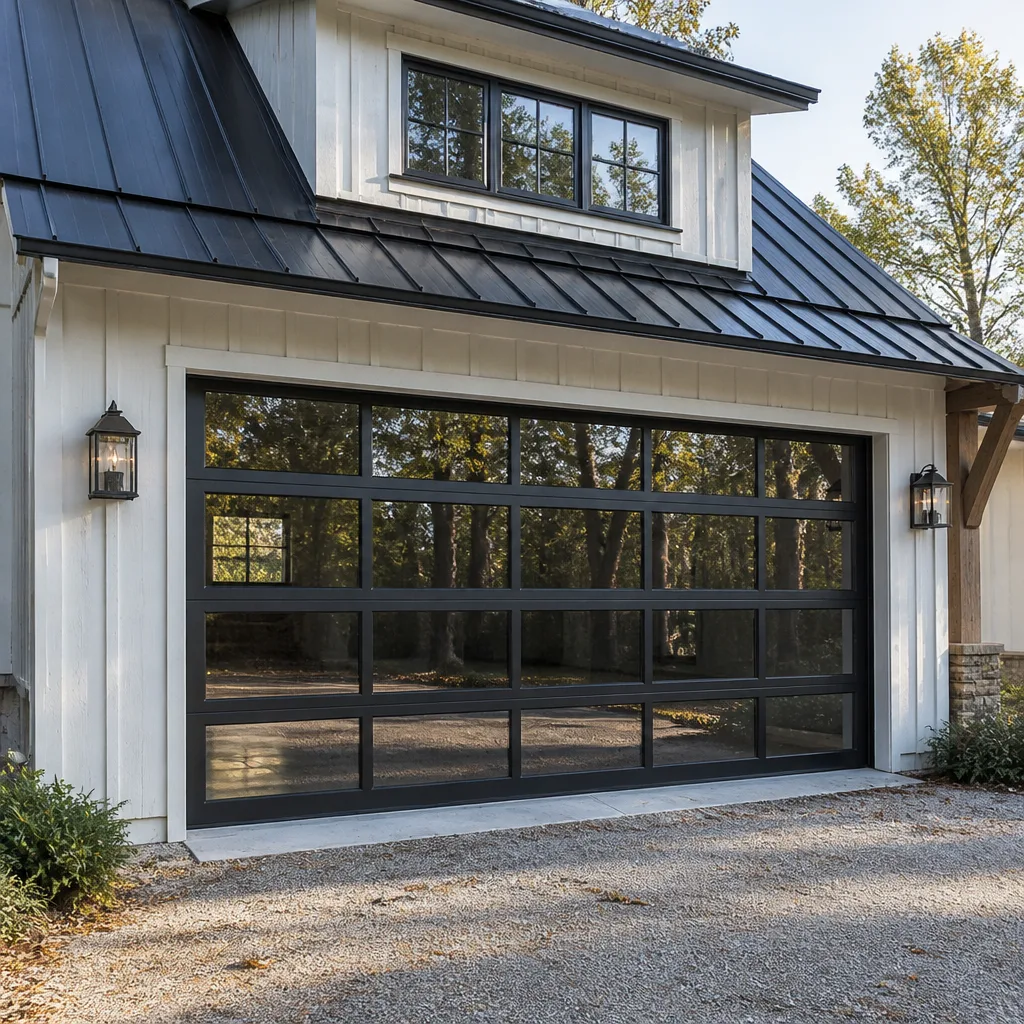 Full-view glass
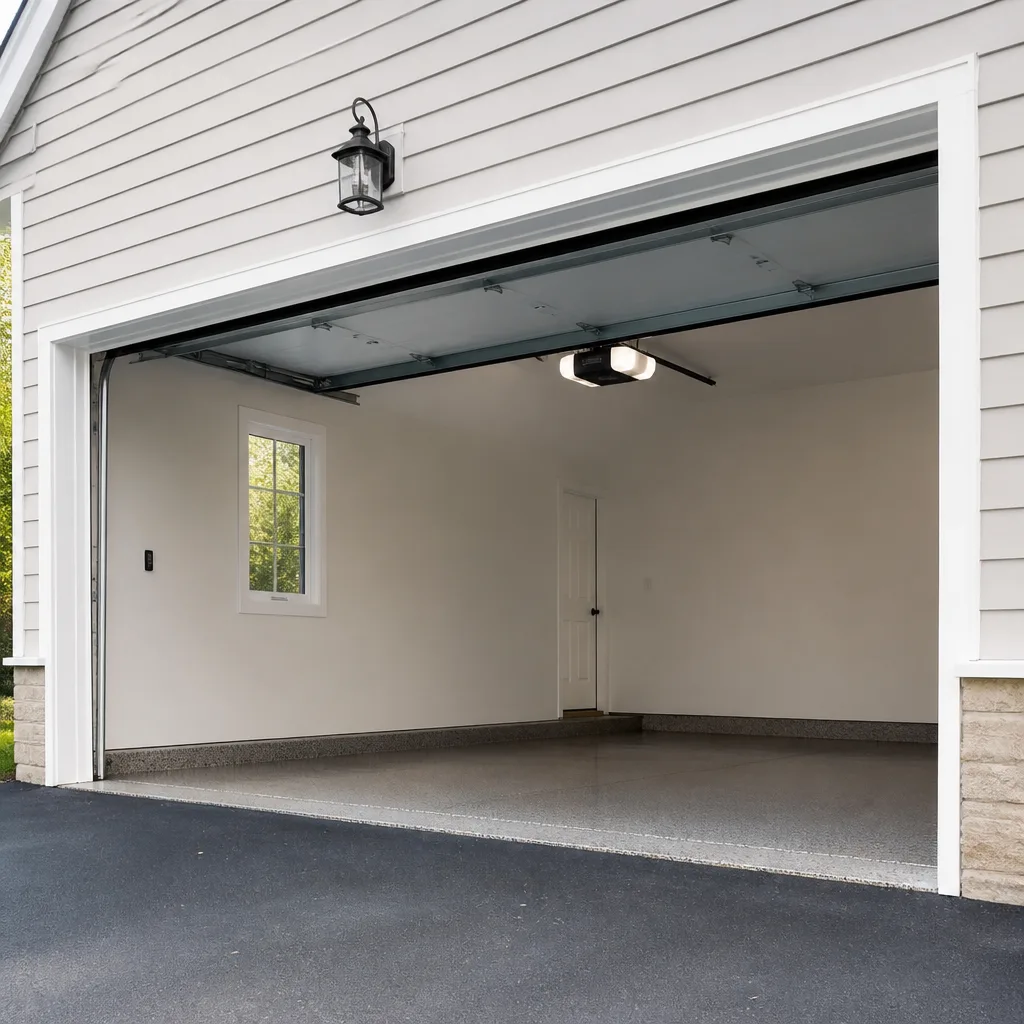 LiftMaster openers
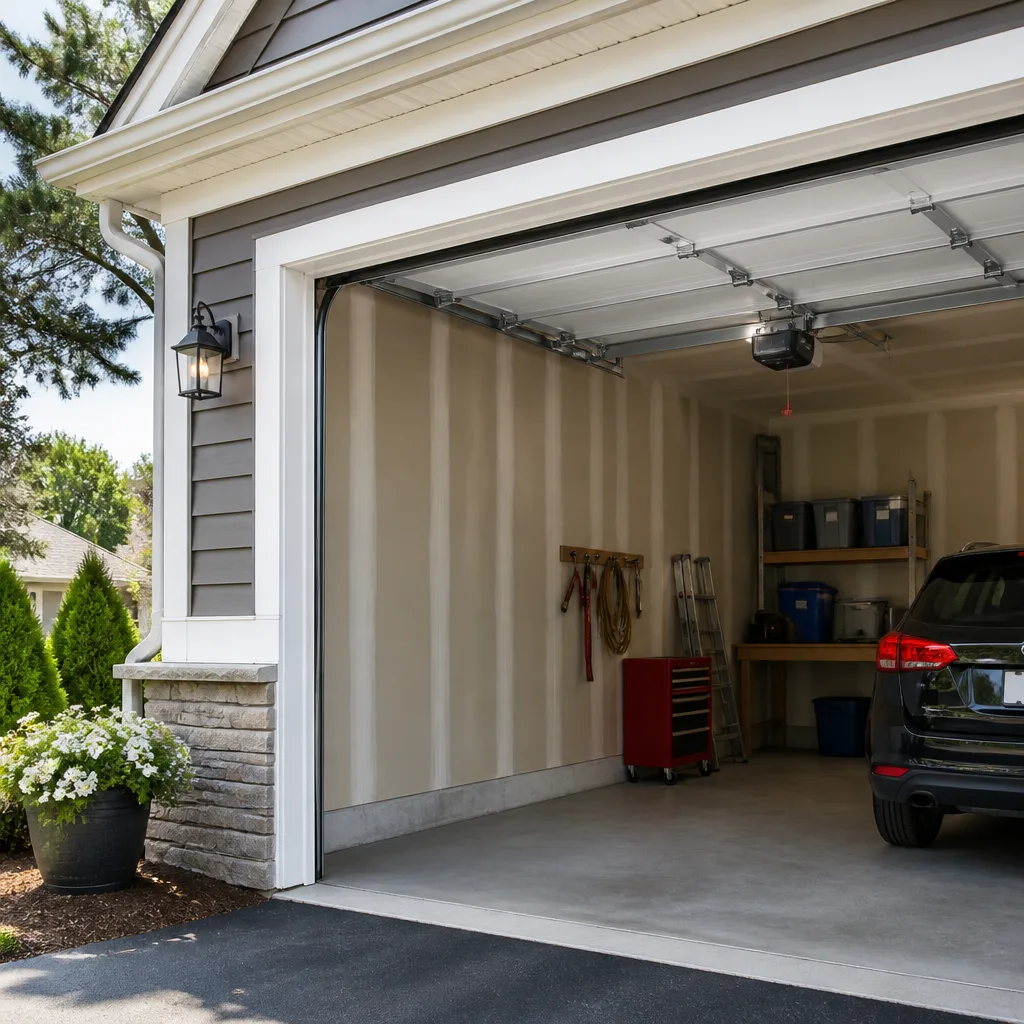 Chamberlain openers
Full 25-point door and opener safety check with every visit - springs, cables, rollers, tracks, and your LiftMaster or Chamberlain opener included
You get a price before we start. It does not change when the pro arrives.
Get your free estimateThe Complete Guide to Garage Doors in Oakville
The garage door is the largest moving object in your home, and most owners think of it as one thing: the door. That framing costs money. What you actually own is a system of five interdependent mechanical subsystems, and when one of them weakens, the others absorb the stress until something gives. The spring that snaps on a Tuesday morning was often worn out months earlier by a door that was slightly out of balance. This guide maps the whole system for Oakville homeowners, from how the parts interact to which materials hold up to Missouri’s humidity swings, so you can tell a small repair from a replacement decision before the cost decides for you.
Quick Answer
A garage door is a system of five linked parts: springs, cables, tracks, the opener, and the panels and hardware. Problems in one part always stress the others, which is why a door that “just needs a small fix” is often showing a symptom of wear somewhere else. In Oakville, the right call depends on the age of the system, the door material, and which brand of door and opener you already have. Diagnosing the whole system rather than one symptom is what keeps a routine repair from turning into a full replacement.
Styles & brands we work with
- Raised-panel steel
- Carriage house
- Modern flush
- Full-view glass
- LiftMaster openers
- Chamberlain openers
Table of Contents
- The Five Subsystems and How They Interact
- Oakville Climate and How It Treats Your Door
- The Brand Ecosystem in Oakville Subdivisions
- Symptom Check: DIY Adjustment or End-of-Life?
- Total Cost of Ownership by Door Type
- A Maintenance Routine That Actually Prevents Breakdowns
- Repair or Replace: How to Decide
The Five Subsystems and How They Interact
Every garage door you’ll find in Oakville is held together by five subsystems. None of them work alone, and that’s the core insight most homeowners miss until a repair bill tells them.
Every garage door is a balance of forces. The door weighs a fixed amount. The springs are sized to lift that exact weight. The opener only does the rest. Change one variable and the others take up the difference, often by wearing faster.
- Springs. Torsion or extension springs carry the door’s weight so the opener isn’t lifting it alone. Springs are the part absorbing most of the daily stress, which is why they fail first.
- Cables. Steel cables connect the door to the spring system and keep both sides lifting evenly. A frayed or slipping cable warns you before it goes, and it often goes because a spring lost tension and shifted load onto the cable.
- Tracks. The tracks guide the door and keep the panels aligned. A bent track forces the opener to work harder and drags on the rollers, and that extra drags through the whole system.
- The opener. The opener drives a balanced door; it doesn’t lift dead weight. A struggling opener is often reacting to a spring or track issue, not a motor problem, which is why a motor swap alone rarely fixes the noise or the sluggishness.
- Panels and hardware. Panels, hinges, and rollers carry the load into the tracks. A sagging panel, a stripped hinge, or dry rollers can stress a cable or bind a track.
This is the interaction that matters: when a spring loses tension, the door no longer balances. The opener works harder. A track bends or a roller dries. The owner hears a noise and books a motor repair. A trained technician looks at the balance, finds the spring, and fixes the source. That’s the difference between a modest repair and a replacement conversation, and it’s why we inspect the whole system rather than the symptom.
Oakville Climate and How It Treats Your Door
Oakville’s weather is a slow stress test on garage doors. The region sees wide humidity swings across the year, and a door that breathes in damp air and then dries out repeatedly reacts differently depending on what it’s made of. This is where material choice in Oakville actually matters.
- Steel doors. Steel is the most common material in Oakville subdivisions because it holds its shape and takes paint well. The weak point is where it isn’t painted: the bottom edge, the inside of the panels, and the hardware seams. Those edges are where moisture sits and rust starts. Keeping the bottom seal and the paint coat intact is what keeps a steel door going.
- Wood doors. Wood moves with humidity. It swells when it’s damp and shrinks when it dries, and over seasons that movement shows up as cracked joints and panels out of alignment. A wood door in Oakville benefits from a re-seal every couple of years, and its panels and hardware need to be checked after a wet stretch.
- Composite doors. Composite doors sit between the two. They don’t absorb moisture the way wood does and they don’t rust like steel, so they’re a sensible choice when you want the wood look without the annual re-sealing job. The hardware is where a composite door’s maintenance focus sits, not the panels.
Whatever the material, the seasonal pattern is the same: the door expands and contracts, the hardware works slightly loose, and the tracks pick up grit. Oakville’s swings in humidity make it worth doing a hardware and seal check at the change of the season rather than waiting for something to break.
The Brand Ecosystem in Oakville Subdivisions
The door and opener already in your garage were almost certainly installed by a builder in a specific brand pairing, and knowing that brand changes how fast a repair can be finished. Parts matter. Familiarity matters. A technician who recognizes your opener model specs the right parts the first time instead of guessing at a generic substitute.
Clopay and Amarr doors are widespread in Oakville’s builder-housing subdivisions. If your panel is damaged, those are the two brands whose replacement sections we work with most often, which matters because panels need to match the style and color of the ones already on the door. Wayne Dalton doors show up on a large share of newer builds, and their opener assemblies are a common sight in the same homes.
On the opener side, the brand picture is broader. LiftMaster dominates new installs, with Chamberlain and Craftsman units inside many existing Oakville garages. When an opener fails, recognition is what keeps the fix quick. A generic contractor with no brand familiarity may recommend a whole new opener when the real fix is a logic board or a force-setting adjustment. Our technicians have up to 8 years of experience and work on the brand already in your garage. That’s the difference between a targeted repair and a guess.
Symptom Check: DIY Adjustment or End-of-Life?
Some garage door complaints respond to a simple adjustment you can reasonably check yourself. Others are the system telling you it has reached the end of its service life. Here’s how to tell the difference before you spend money on the wrong fix.
Reasonable to check on your own:
- A loud grinding or squealing over the tracks. It’s often dry rollers and hinges, and lubrication is a straightforward place to start.
- A door that reverses immediately after closing on a small object. That’s a safety reverse setting that can usually be adjusted.
- The opener remote not working while the wall button does. That’s a battery or programming issue, not a hardware problem.
Signs the system has reached end-of-life:
- The door doesn’t stay in place when you turn the opener off partway up. A balanced door should hold. If it doesn’t, the springs are the problem, and springs are not a DIY project.
- Regular, repeated spring failures on the same door within a short window. That pattern usually means the spring was under-sized or the door is out of balance, not that you got a bad part.
- Panels that are rusted through at the bottom or clearly out of structure, with hardware pulling loose.
- A sagging track that keeps bending back after adjustment, which points to a structural issue with the door’s alignment rather than a simple fix.
When a cable is frayed or a spring has failed, the right move is to call for garage door spring repair rather than touch it. Cables and torsion springs are under extreme tension, and they can cause serious injury when handled without the right tools or training. That’s a job for a trained professional, always.
Total Cost of Ownership by Door Type
The cheapest door to buy is rarely the cheapest door to own. Total cost of ownership means looking at the price, the maintenance it demands, and how long it lasts before the whole system needs replacing. Here’s how the three common door types compare.
| Door type | Maintenance pattern | Replacement cycle | Best fit |
|---|---|---|---|
| Steel | Touch-up paint on bottom edge and hardware seams; seal check seasonally | Longest cycle of the three when rust is controlled | Builder subdivisions, high-traffic homes |
| Wood | Re-seal every couple of years; check panels after wet stretches | Shorter cycle if moisture gets into joints | Homes where wood look matters more than upkeep time |
| Composite | Minimal panel work; hardware check and lubrication | Solid middle-of-the-road cycle | Owners wanting wood look without annual work |
Whichever you pick, the shared costs are springs, rollers, cables, and the opener. Springs carry the most stress and will need replacing during the life of any door. The opener will likely need a repair or a new motor before the door itself needs replacing. Budget for the mechanical parts as a rolling cost instead of a surprise, and the numbers get much easier to plan around. For an exact estimate on a repair or a new installation in Oakville, call (877) 792-7376. The price is quoted and agreed before any work starts, so you’re never guessing at the bill.
A Maintenance Routine That Actually Prevents Breakdowns
A garage door that gets a few minutes of attention a few times a year will go much longer before a major repair. The point isn’t to become a weekend mechanic. It’s to catch the wear that leads to a failure at the worst possible moment.
- Test the balance once a month. Disconnect the opener, raise the door halfway, and let go. A healthy door stays put. A door that drifts down has weakened springs.
- Lubricate rollers, hinges, and the torsion shaft. A dry roller drags on the track and forces the opener to work harder. A couple of drops of garage door lubricant a few times a year keeps the whole system moving smoothly.
- Look at the cables and springs. Frayed cables and springs with gaps or visible gaps in the coil are signs to stop operating the door and call for garage door repair. Don’t touch the tension assembly.
- Check the bottom seal. A worn seal lets in moisture and grit, which is where rust and track problems start on an Oakville steel door.
- Test the safety reverse. A door that doesn’t reverse when it meets an object is a safety issue, and it needs to be adjusted.
- Listen for changes. A new sound is your earliest warning. A grinding or squealing that wasn’t there last month is usually roller or hardware wear that’s cheaper to fix now.
If any of the checks turn up something you’re not comfortable with, especially anything involving the springs or cables, that’s the moment for garage door opener repair and a full-system inspection. The sound and the behavior are linked, and fixing the opener without checking the balance is treating the wrong end of the problem.
Repair or Replace: How to Decide
The call between repair and replacement comes down to whether the door is the problem or the system around it is. A door with good panels and intact structure is usually worth repairing, even when the mechanical parts need work. A door with rusted-through panels, persistent balance problems, and repeated hardware failures is telling you its time is up.
- Repair the system when the panels are sound and one part has failed: a spring, a cable, a roller set, or an opener board. Parts-level repair keeps the door you already have.
- Repair when the door is old but structurally fine and only the opener is struggling. Opener problems are common and often fixable without a new door.
- Replace when panels are failing across the door, when balance problems keep returning, or when the same hardware keeps giving out. Repeated failures on a single door usually point to wear across the whole system.
If repair is the answer, Garage Door Repair Oakville handles the door, the opener, the springs, and the hardware on one call. If replacement is the right call, we install new doors as well, so you don’t need a second company for the job. Installation done right means fewer repairs later, and that starts with matching the door and opener to the home and the way you use it.
Common Mistakes to Avoid
- Replacing a spring without checking the door’s balance. If the door doesn’t hold when moved partway up, the spring was sized or installed wrong, and a new one will wear out or fail the same way.
- Blaming the opener for everything. A sluggish or noisy opener is often reacting to a spring, track, or roller that needs attention. A new motor won’t fix a door that isn’t balanced.
- Ignoring a small track bend. A small bend in an Oakville garage door track forces the opener to work harder and drags the whole system. Fix it early and it’s a light repair; ignore it and the door is soon out of alignment.
- Leaving a steel door’s bottom edge unpainted. That’s where Oakville’s humidity does its best work. Keep the bottom edge and hardware seams coated, and the door lasts considerably longer.
- Treating a dry roller as a motor problem. A spray of lubricant on rollers and hinges is often the whole fix. A new opener is not.
- Working on a spring or cable yourself. These parts are under extreme tension. Injury is real. Call a professional for anything involving springs or cables.
- Assuming the door and the opener are separate purchases. They’re one system. Replacing one while ignoring the other means paying for that oversight later.
See the difference
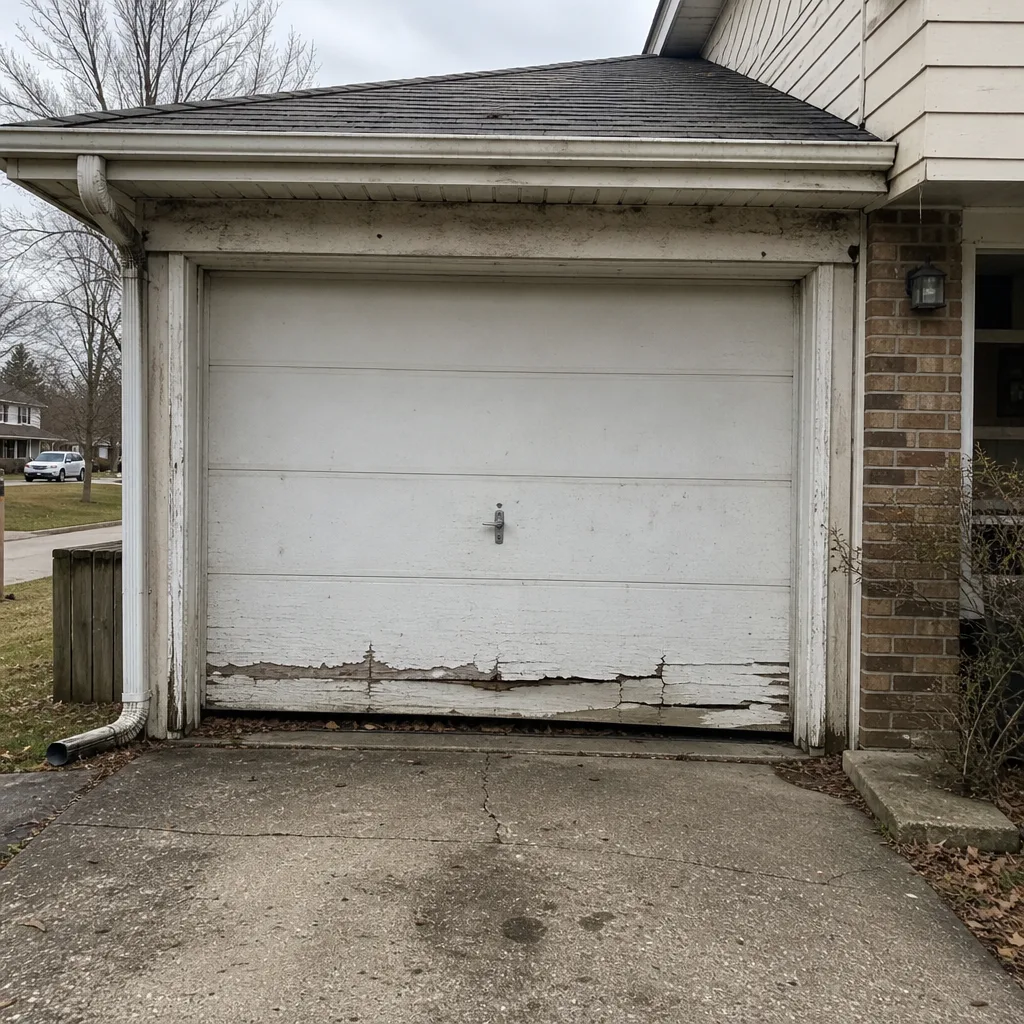 Before
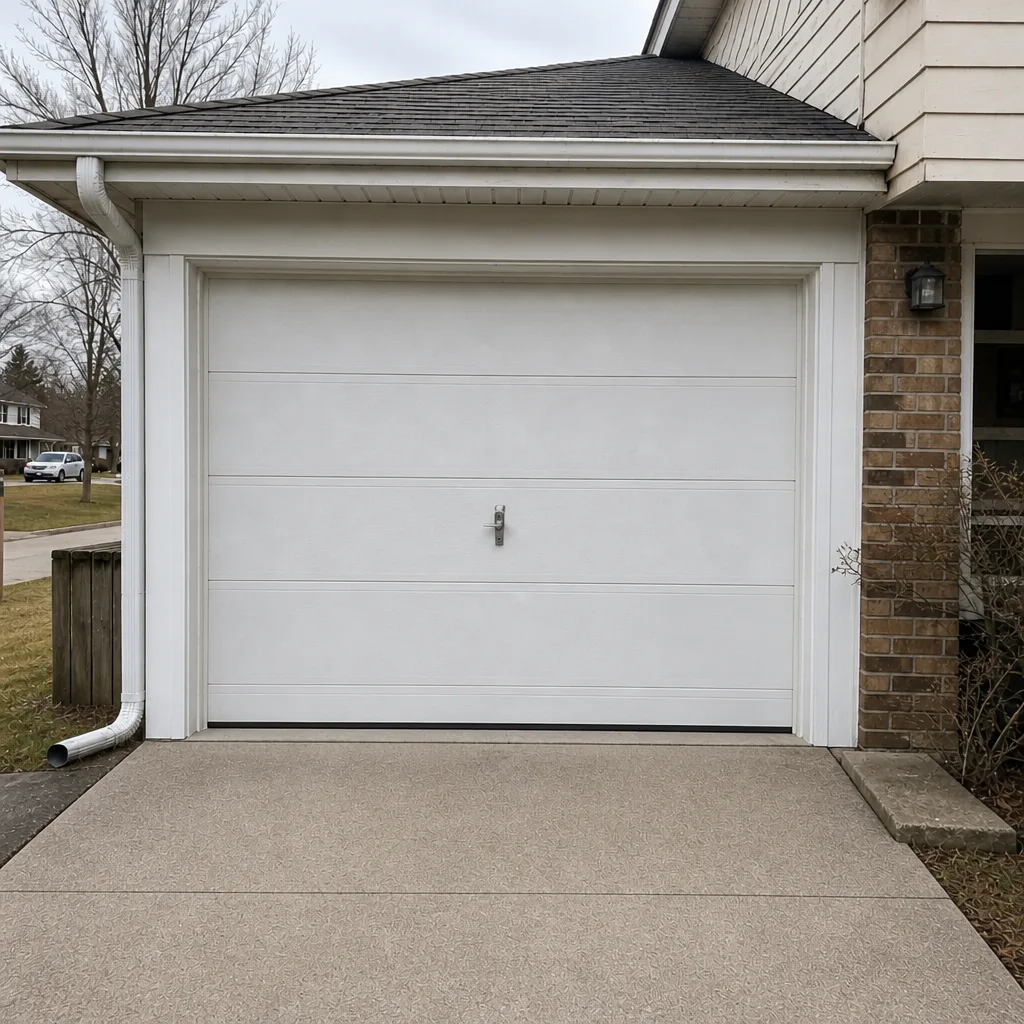 After
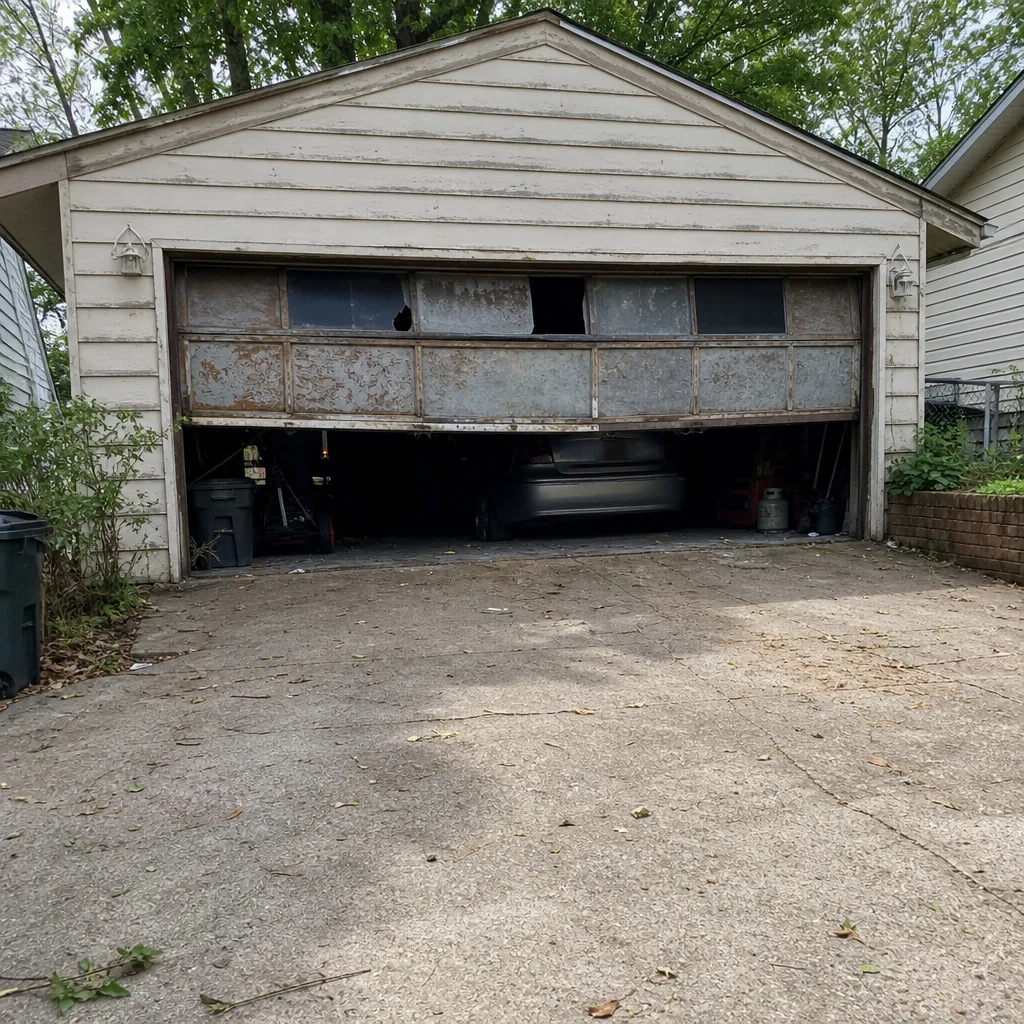 Before
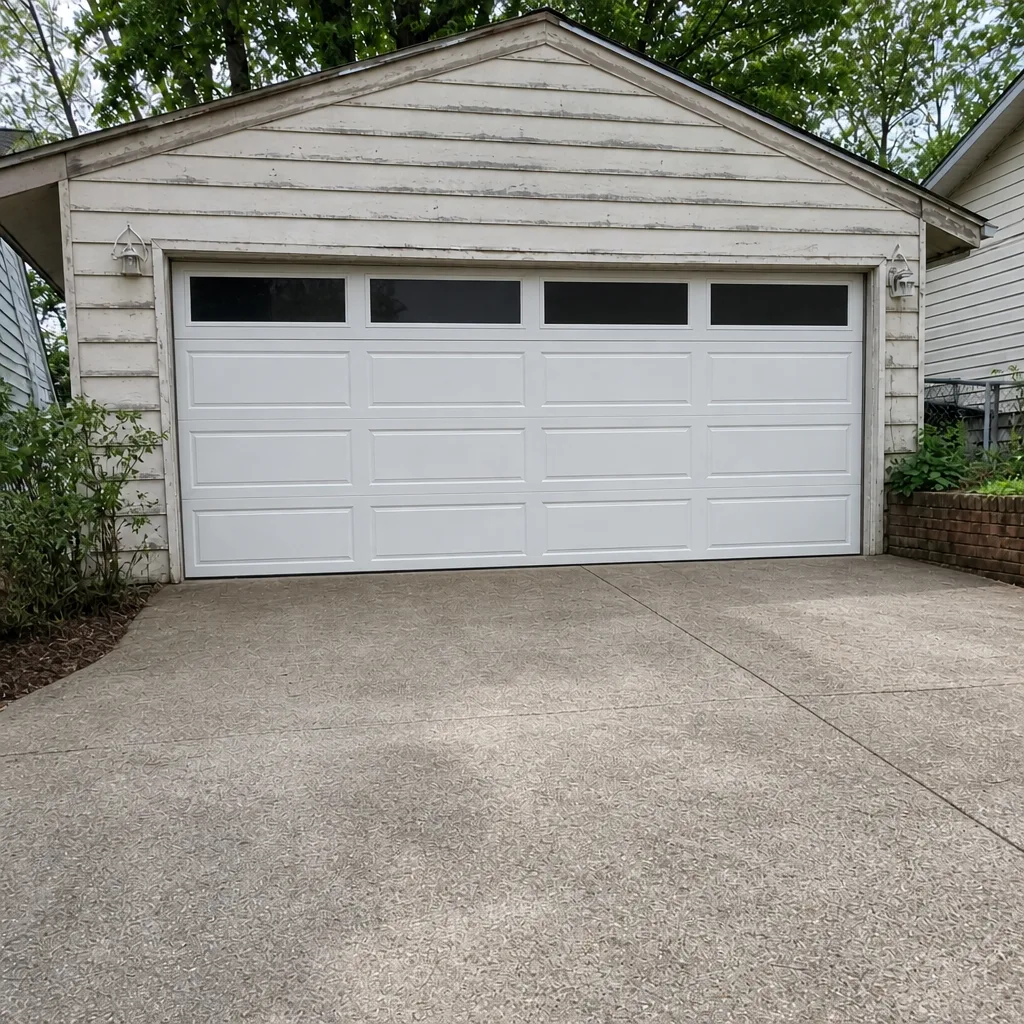 After
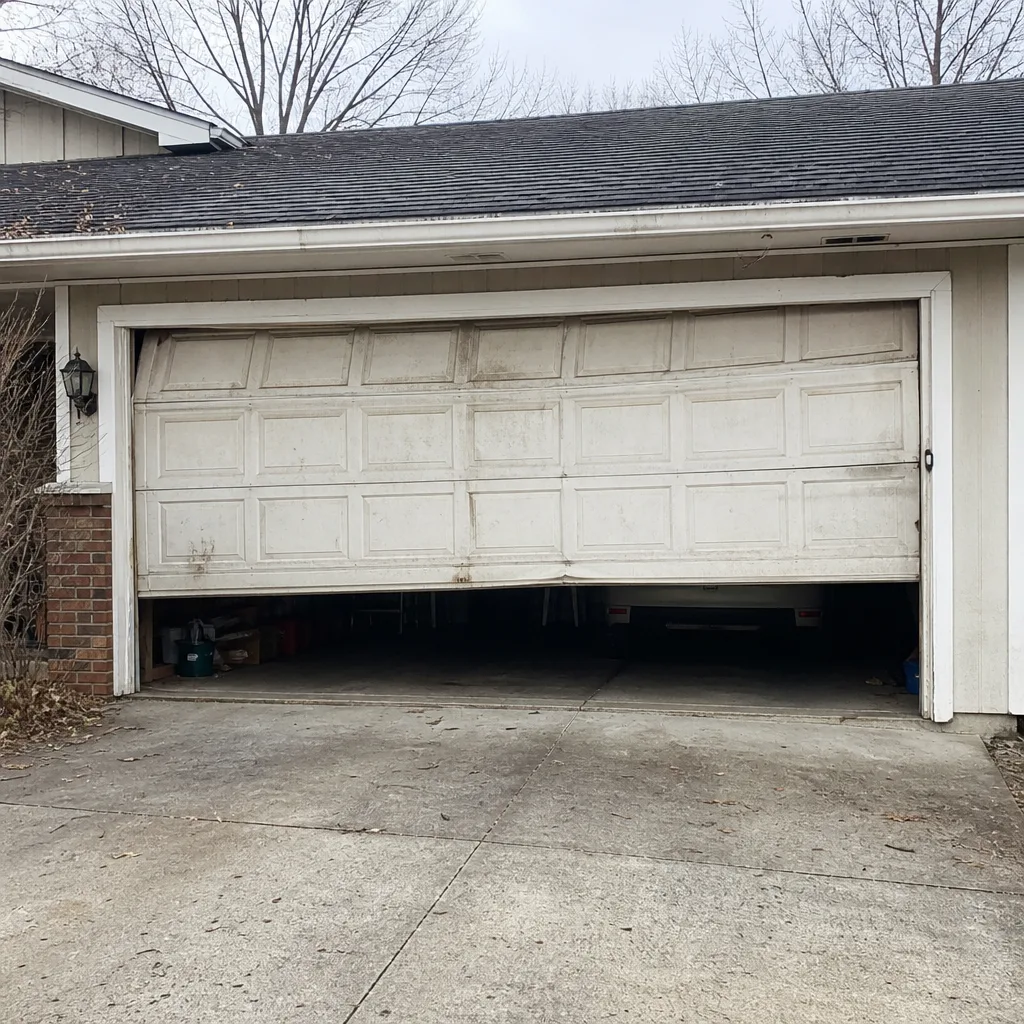 Before
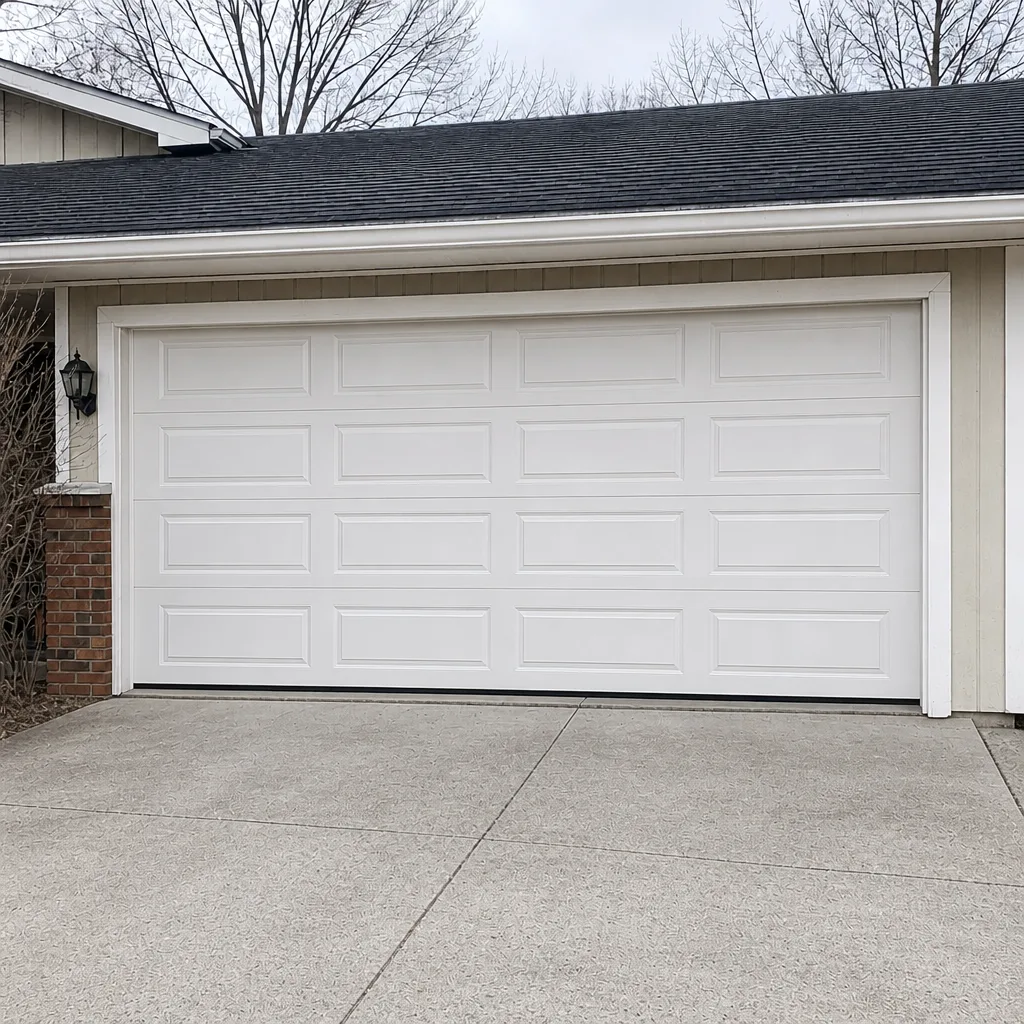 After
When to Call a Professional
Call a professional the moment a problem involves springs, cables, or a door that has stopped operating safely. Those are the parts with stored energy and the parts with injury potential. Beyond that, call when a door won’t open or close fully, when it reverses or stalls, when a track is bent or a panel is coming loose, when an opener’s motor runs but the door doesn’t move, when a remote stops working and the wall button doesn’t, or when the door has reached a point where it doesn’t hold when partway up. For an Oakville door that’s blocking access or leaving the house exposed, our Garage Door Repair Oakville team responds to emergency service calls and gives you a straight answer on the fix. Garage Door Repair Oakville offers free estimates in Oakville. Call (877) 792-7376 and we’ll book the job and give you a written price before any work starts.
Frequently Asked Questions
The spring is the most common failure, and it’s the part that takes the most daily stress. Oakville’s humidity swings don’t cause spring failure directly, but they loosen hardware, dry out rollers, and put extra drag on the system, which shortens the life of the parts carrying the load. Call (877) 792-7376 for an inspection if your door doesn’t hold when moved partway up.
Repair if the panels are sound and one part has failed. Replace if panels are rusted through, balance problems keep returning, or hardware keeps failing on the same door. Call (877) 792-7376 and we’ll tell you which way to go after a free estimate.
Yes. A door that won’t move usually has a spring, cable, or opener failure, and it’s often diagnosable quickly if the technician knows the brand. We work on LiftMaster, Chamberlain, Genie, and Craftsman openers, and on Clopay, Amarr, Wayne Dalton, and Raynor doors. Call (877) 792-7376 for emergency service if the door is blocking access or leaving the home exposed.
No. Garage door springs are under extreme tension and can cause serious injury if handled without the right tools and training. That’s a job for a trained professional. Call (877) 792-7376 and we’ll handle the spring safely with proper protocols.
Steel, wood, and composite all handle Oakville’s humidity swings if the maintenance keeps up, but the failure points differ. Steel needs its bottom edge and hardware seams kept painted against rust. Wood needs re-sealing every couple of years because it swells and dries. Composite needs little panel work, with the hardware focus. Call (877) 792-7376 for a free estimate if you’re choosing between them.
It does. Recognizing the opener brand means diagnosing the right part on the first visit and avoiding a generic substitute that may not fit. Our technicians have up to 8 years of experience and work on the brand already in your garage. Call (877) 792-7376 for an exact quote, and the price is agreed before any work starts.
The Bottom Line
Your garage door is a system, not a single product. Springs, cables, tracks, opener, and panels share the load, and a failure in one always stresses the others. Understanding that is what separates a small repair from a full replacement. The other piece is knowing what you own: the door material, the door brand, and the opener brand all affect what a repair looks like and how quickly it can be done. Keep the routine maintenance going, catch wear early, and call a professional for anything involving springs or cables. For an Oakville system that needs repair, installation, or an emergency answer, our team is the one call that covers the door, the opener, the springs, and the hardware.
Ready to get your garage door back on track? Call Garage Door Repair Oakville at (877) 792-7376 for a free estimate. We’ll assess the whole system, give you a written price before any work starts, and match the fix to the brand already in your garage.
Written by the team at Garage Door Repair Oakville.