Last updated November 23, 2026
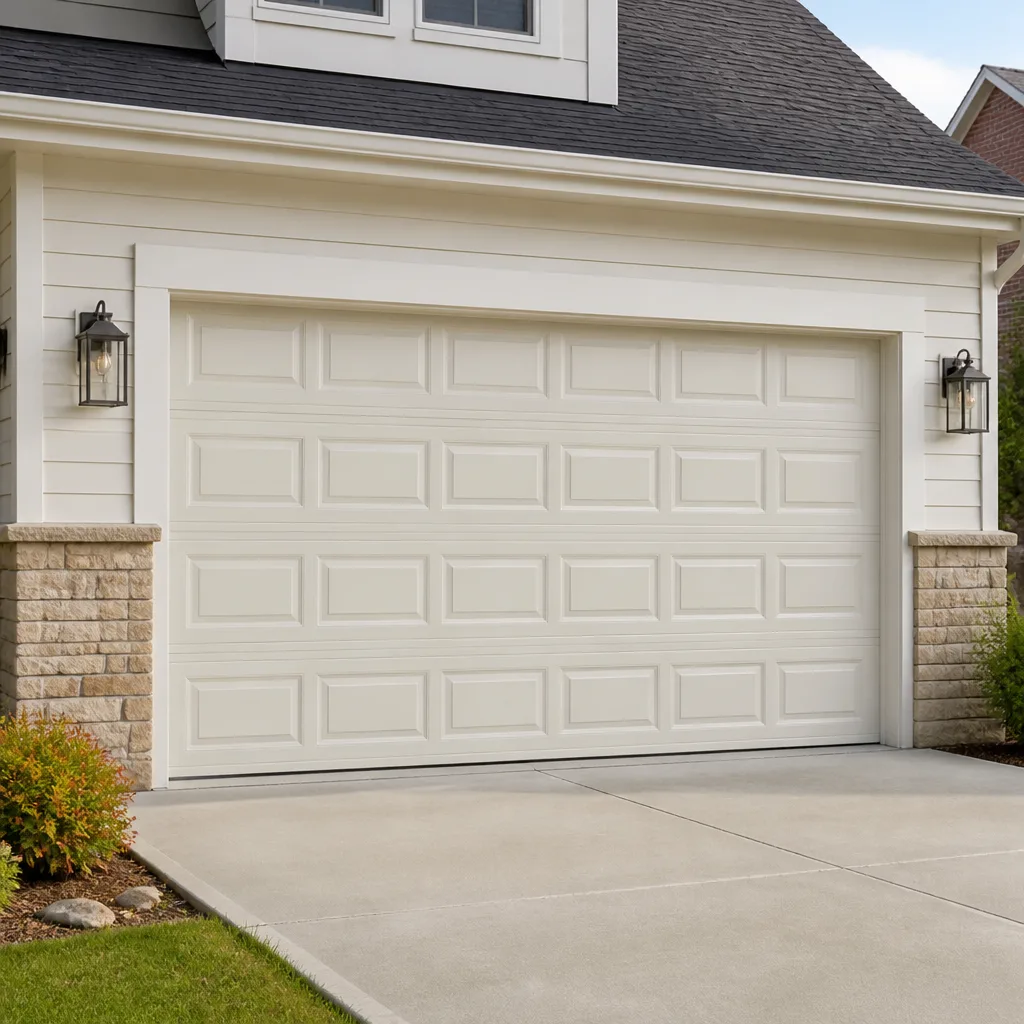 Raised-panel steel
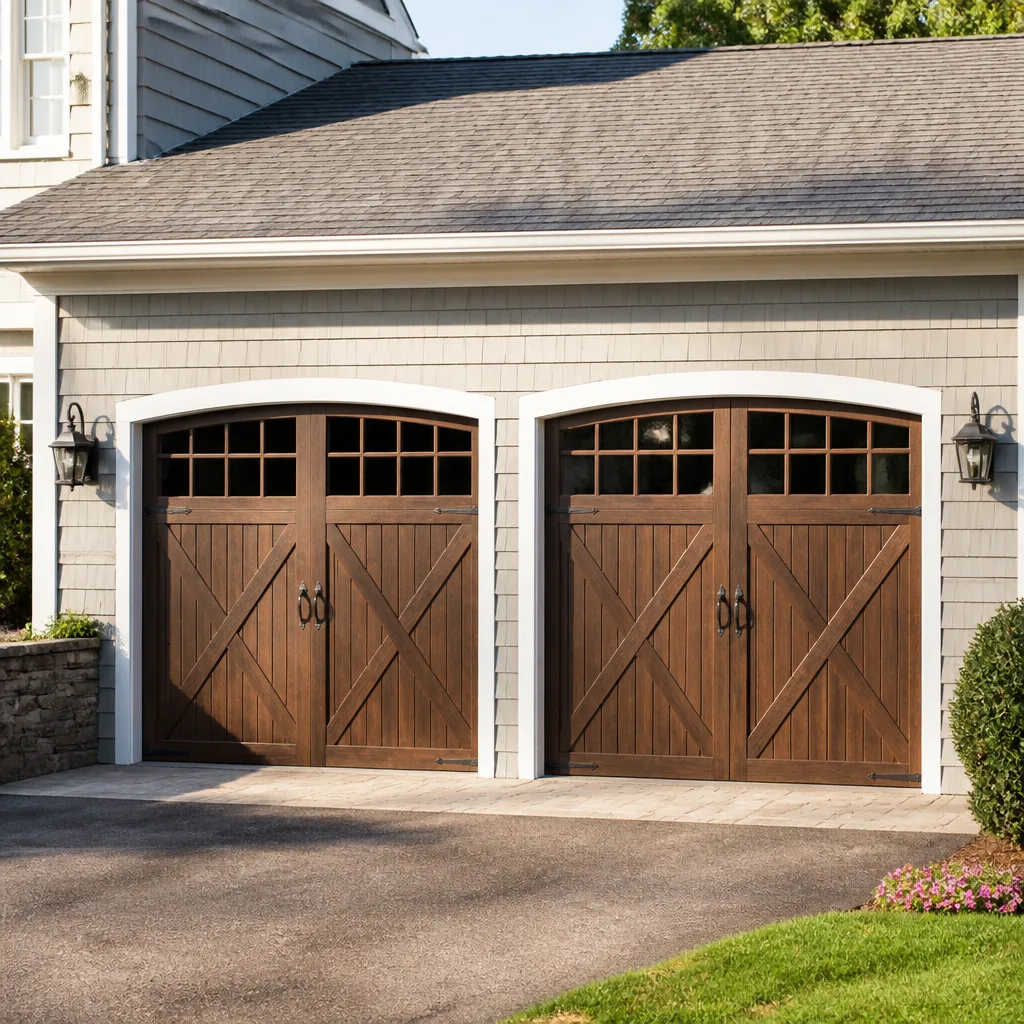 Carriage house
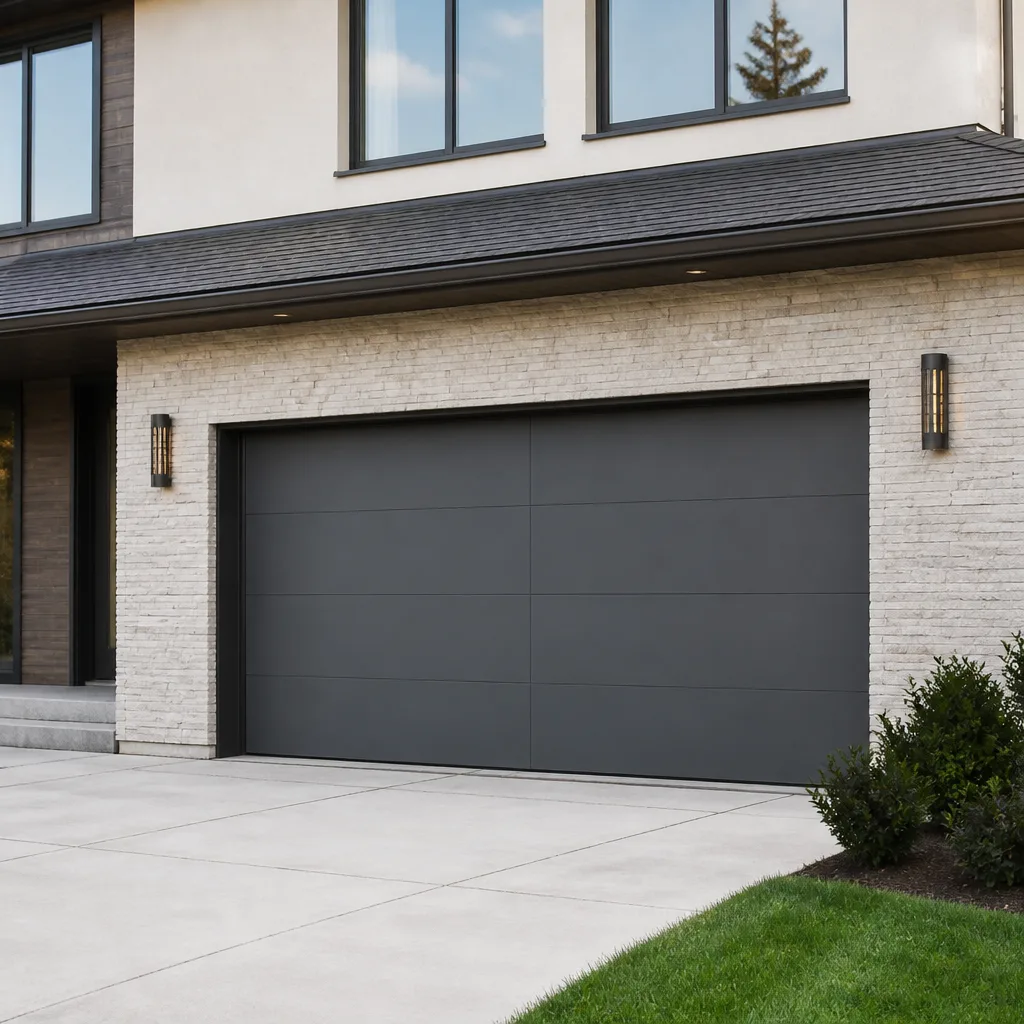 Modern flush
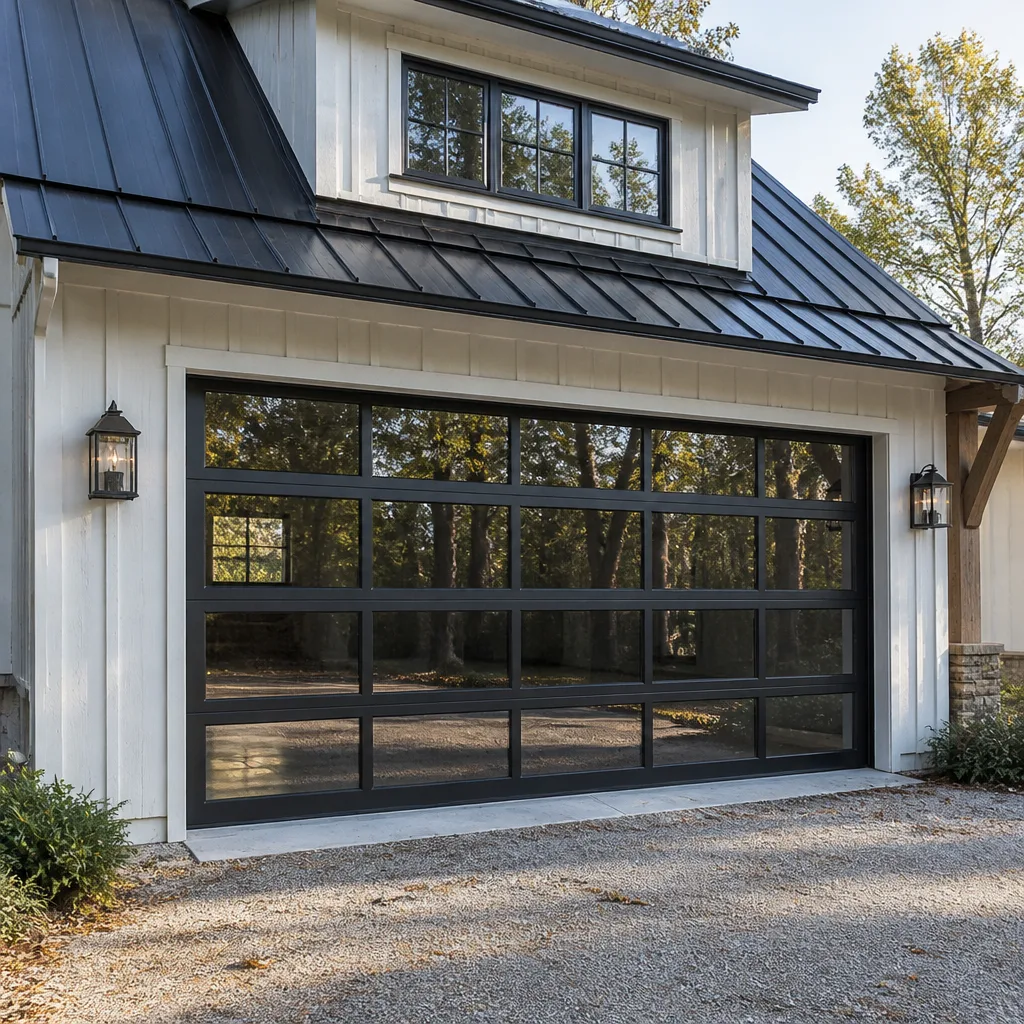 Full-view glass
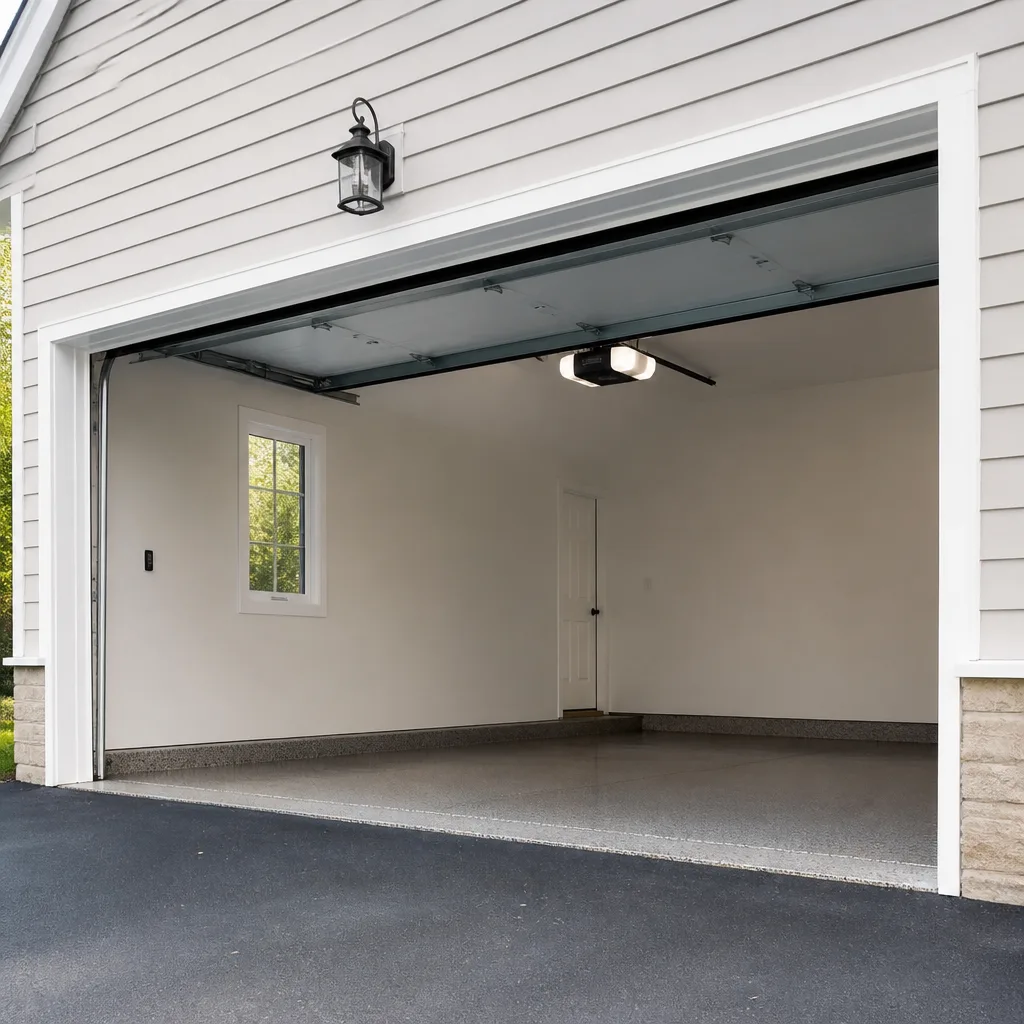 LiftMaster openers
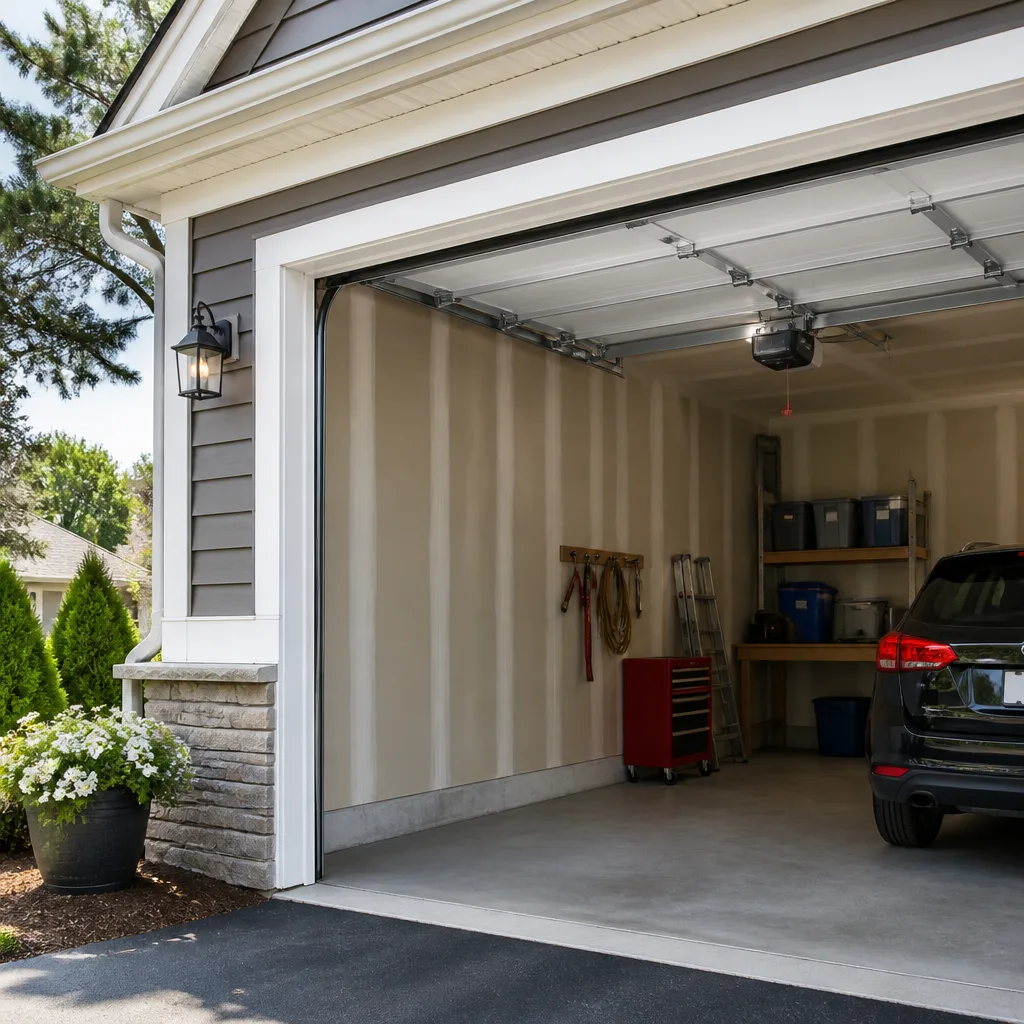 Chamberlain openers
Full 25-point door and opener safety check with every visit - springs, cables, rollers, tracks, and your LiftMaster or Chamberlain opener included
You get a price before we start. It does not change when the pro arrives.
Get your free estimateSeasonal Garage Door Care for Oakville: Year-Round Homeowner’s Guide
February in Oakville is the most common month we see torsion springs fail, and it rarely has anything to do with February itself. A spring that has been weakening since autumn meets the sustained cold of a Missouri winter, and the metal finally gives. The stress was built up months earlier; the cold just finishes the job. That pattern repeats across the whole garage door system, and it’s why we think about seasonal care as four separate mechanical stress profiles rather than one annual checklist. What follows is how we match specific maintenance work to what Oakville weather is actually doing to your door, opener, and springs through the year.
Quick Answer
Seasonal garage door care in Oakville means doing the right task at the right time: fall prep that prevents freeze-related spring and track failures, winter attention to stiff lubricants and frozen seals, spring inspection of weatherstripping and bottom seals as the thaw exposes damage, and summer checks on wood panel expansion in Missouri humidity. Matching each task to the season it belongs to prevents failures that a single yearly tune-up misses entirely.
Styles & brands we work with
- Raised-panel steel
- Carriage house
- Modern flush
- Full-view glass
- LiftMaster openers
- Chamberlain openers
Table of Contents
- Why Oakville’s Climate Creates Four Different Stress Profiles
- Fall: The Pre-Winter Work That Prevents February Failures
- Winter: What Sub-Freezing Cold Does to Lubricants and Seals
- Spring: Reading the Thaw for Weatherstripping and Seal Damage
- Summer: Humidity, Wood Panels, and Expansion Gaps
- The Highest-ROI Task Each Season
- Common Mistakes to Avoid
- When to Call a Professional
Why Oakville’s Climate Creates Four Different Stress Profiles
Oakville sits in a part of Missouri where the door system sees real seasonal swings: humid, hot summers; freezing stretches in January and February; and a freeze-thaw cycle in early spring that moves metal, rubber, and wood repeatedly. Each of those conditions attacks a different part of the door. Cold stiffens grease and shrinks rubber. Heat expands wood and softens seals. The thaw pulls moisture into places it didn’t sit in summer. Rain and temperature shift work on the steel and the hardware together.
Most homeowner garages get one task done per year if that: someone oils a hinge or glances at the door and decides it’s fine. That approach logs activity without targeting the actual stressor. A door that fails in February was usually set up for that failure in September or October. A seal that leaks in April was quietly cracking all winter. The point of a seasonal schedule is to act before the season that exposes the weakness arrives.
The spring is the clearest example of why this matters. Torsion and extension springs are under heavy tension every time the door moves, and that tension doesn’t pause for cold weather. When homeowners ask about garage door spring repair, the question is often “why now?” The answer is usually that the season where the damage was done and the season where it surfaces are not the same season.
We work on the brands already installed across Oakville homes: LiftMaster, Chamberlain, Genie, Clopay, Amarr, Wayne Dalton, Craftsman, and Raynor. Those systems respond to the same seasonal stresses, but the maintenance details differ a little by door material and opener drive type, which is why knowing the brand matters when something needs attention.
Fall: The Pre-Winter Work That Prevents February Failures
Fall is the season that decides how your door handles January and February in Oakville. The tasks below are the pre-winter prep that keeps cold-weather failures from happening in the first place. None of them takes long, and together they address the weak points that freeze-related breakdowns expose.
- Lubricate hinges, rollers, and the torsion bar bearing plates with a cold-rated lubricant. A lubricant rated for low temperatures keeps moving when the thermometer drops. General-purpose oil thickens and stops protecting the moving parts that need it most in cold weather.
- Inspect and adjust the bottom seal and side weatherstripping. A seal that’s already cracked will split fully once it freezes. Replacing it in fall costs less than dealing with a door that seals poorly all winter.
- Test the balance of the door by hand. Disconnect the opener and lift the door halfway. It should hold position without drifting down. A door that sinks on its own is telling you the springs are weakening, and that’s a job to diagnose before the cold finishes them off.
- Check the track for alignment and clear debris. Small track misalignments that cause no trouble in warm weather become binding points when the metal contracts and the rollers stiffen.
- Test the safety reverse and the opener’s force settings. Cold weather puts more load on the opener motor. A door that just barely closes in October may not close at all in January.
- Clear leaves and debris from the door’s travel path and the tracks. Wet debris freezes in place and can stop a door mid-travel or trigger the safety reverse.
The reason we emphasize fall is the pattern we see year after year in Oakville. Springs that fracture in February were showing warning signs in the fall: uneven travel, a door that felt heavier, a little more noise on open and close. Catching those signs means the spring gets replaced on a schedule set by you rather than by a cold morning when the car is trapped.
Winter: What Sub-Freezing Cold Does to Lubricants and Seals
Winter changes the physics of everything already on your door. The lubricant you applied in fall isn’t the same substance at 20 degrees; the rubber seal that flexed easily in October turns stiff and brittle; the metal contracts and pulls on fasteners. Sub-freezing temperatures also expose anything that was marginal. A weak opener battery, a loosening hinge, a partially failing seal – winter finds them.
The main winter task is managing the lubricant. Cold-rated grease keeps working at low temperatures, but even good grease loses some fluidity as the mercury drops. If your door sounds louder in winter, or the opener seems to strain more, the moving parts are telling you they need attention. Reapply a cold-rated lubricant to hinges and rollers at the start of the coldest stretch. Avoid heavy grease meant for warm conditions; it turns to something closer to wax when frozen.
Seals deserve their own check in winter. The bottom seal is what keeps cold air and moisture out of the garage, and a stiff seal can crack as it flexes against the floor with every open and close. Look for splits and gaps where the door meets the floor. If a seal is cracked, working with a professional to replace it before it fully fails means the door seals through the rest of winter.
Winter is also when spring failures peak in Oakville, and we want to be direct about why. A torsion spring is a coil of steel wire under significant tension. The wire fatigues with every cycle, and the cold makes it more brittle. If the spring is near the end of its life, cold weather is often what tips it over. When that happens, call for emergency help and stop operating the door. Springs under tension are the most dangerous component in your garage, and this is not a part to touch yourself.
Spring: Reading the Thaw for Weatherstripping and Seal Damage
The thaw is a diagnostic season. Everything that cracked, split, or loosened during winter becomes visible once the ice melts and the rubber softens. Use spring to look at the parts of the door that spend the winter under stress: the bottom seal, the side weatherstripping, the door frame, and the seal around the opener’s mounting point.
Here’s what to look for:
- Bottom seal: Run your hand along the seal where it meets the floor. Feel for splits, hard spots, or a gap where you can feel cold air. A seal that doesn’t compress smoothly against the floor is letting water and air in, and that’s moisture reaching the door’s interior hardware.
- Side weatherstripping: Look for tears, missing sections, or pieces that have pulled away from the frame. This strips are what keep rain out of the gap on the sides of the door.
- Door frame and jambs: Check for water staining or soft spots, especially around wood door frames. Moisture getting behind the seal is the cause.
- Track and hardware: Look for rust streaks on the tracks, loose fasteners, or sagging sections. The freeze-thaw cycle loosens things and exposes rust that started quietly.
Spring is also the season we suggest a full cycle-count check if you don’t know how old the door or springs are. If the springs have likely cycled past their expected life, replacing them before the summer heat (which doesn’t help metal either) is cheaper than waiting for a breakdown.
If the door doesn’t run smoothly or the weatherstripping is beyond repair, this is the time to plan a professional repair. A worn seal and a binding track both belong in a proper garage door repair visit that addresses the door system as a whole rather than one part at a time.
Summer: Humidity, Wood Panels, and Expansion Gaps
Missouri summer humidity is hard on wood garage doors. Wood panels absorb moisture from the air and expand; when the humidity drops, they shrink. That cycle, repeated across seasons, is what cracks paint, opens seams, and eventually weakens the panel structure. The most important summer task is checking the expansion gaps the door needs to move without binding.
Wood doors expand slightly in the heat and humidity. Any gap where the door meets the frame, or between panels, needs to accommodate that movement. In summer, look for sticking panels, panels that rub the frame, or a door that opens with more effort than it did in spring. If you don’t know what gaps your door was designed with, that’s a question for a technician who knows the door’s brand and construction. We work with Clopay, Amarr, Wayne Dalton, and Raynor doors, and each manufacturer builds its doors with different tolerances.
Steel and aluminum doors aren’t immune to summer either. Metal expands in heat, and a door that fits perfectly in spring can start to bind against the track in July. Seals soften in the heat and can lose their shape, which reduces how well the door seals. And the wooden frame around steel doors still expands, which can put pressure on hinges and mounting points.
Summer is also when we look at opener performance. Heat inside a garage can be significant, and an opener on the edge of failing will often start showing it in summer. If the opener is a LiftMaster, Chamberlain, Genie, or Craftsman unit, that’s a system we know well when it starts to misbehave. Checking opener performance, and calling for garage door opener repair at the first sign of strain, keeps a failing opener from stranding you mid-summer.
The Highest-ROI Task Each Season
Every season, one task delivers more value than the others when it comes to preventing emergency calls. Based on the service patterns we see across Oakville, here’s the single highest-ROI activity for each season:
- Fall: Lubricate the entire door with a cold-rated lubricant, especially the hinges, rollers, and torsion bar bearing plates. This is the single task that most directly prevents the stiff, binding operation that cold weather exposes. It also lets you spot warning signs while you’re working.
- Winter: Recheck and clear the door’s travel path and force settings. Snow, ice, and frozen debris are the commonest cause of a door that won’t close fully in winter, and stuck ice is easier to find and clear than a broken mechanism.
- Spring: Replace the bottom seal if it’s cracked or compressed. This is the task that stops moisture from getting into the door’s hardware and frame, and it’s easier to judge the seal once the thaw has revealed the wear.
- Summer: Check and adjust wood panel expansion gaps (or have them checked). This is the task that prevents the humid-season warping and binding that leads to panel damage over time.
Notice that none of these is “call a technician once a year and hope for the best.” The whole point of seasonal care is to do a specific task at the moment it matters. If your schedule doesn’t leave room for all of it, do the fall lubricating job and the spring seal check: those two consistently head off the most common service calls we respond to in Oakville.
See the difference
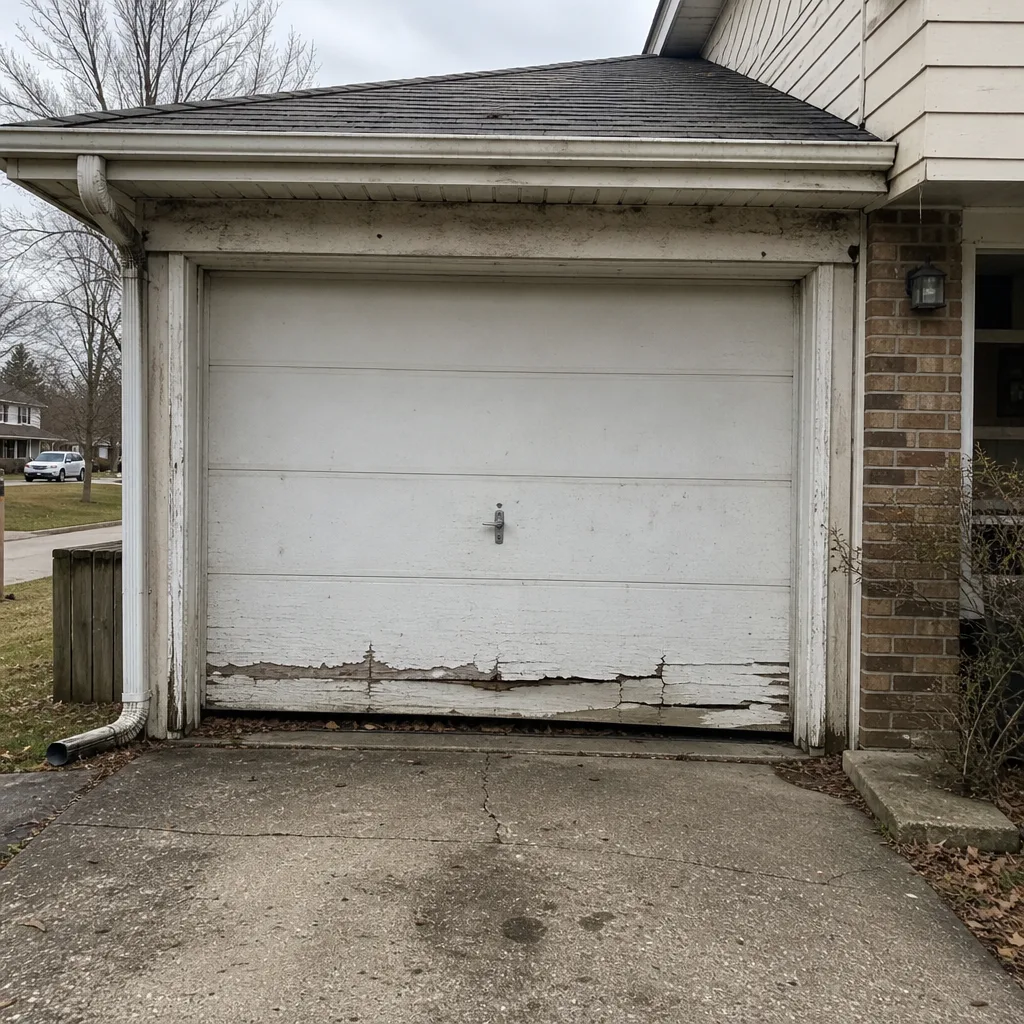 Before
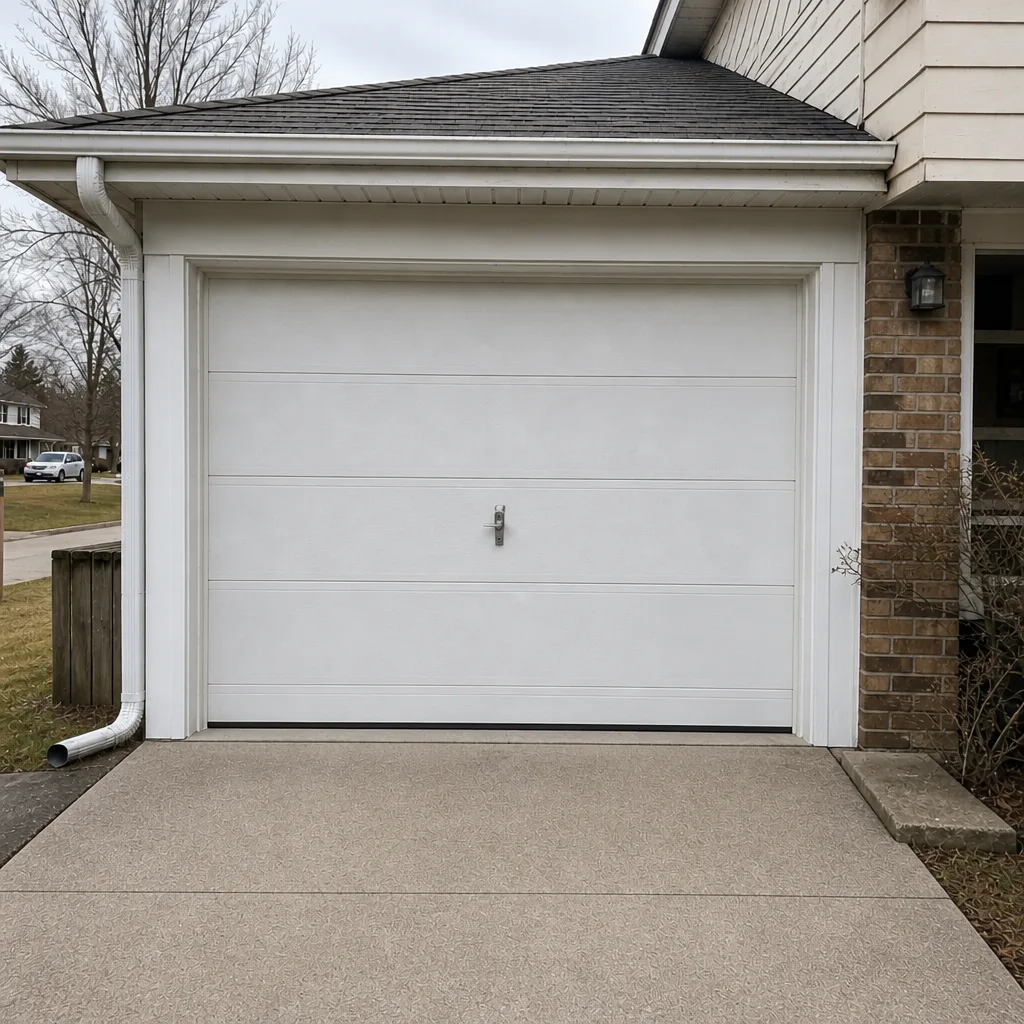 After
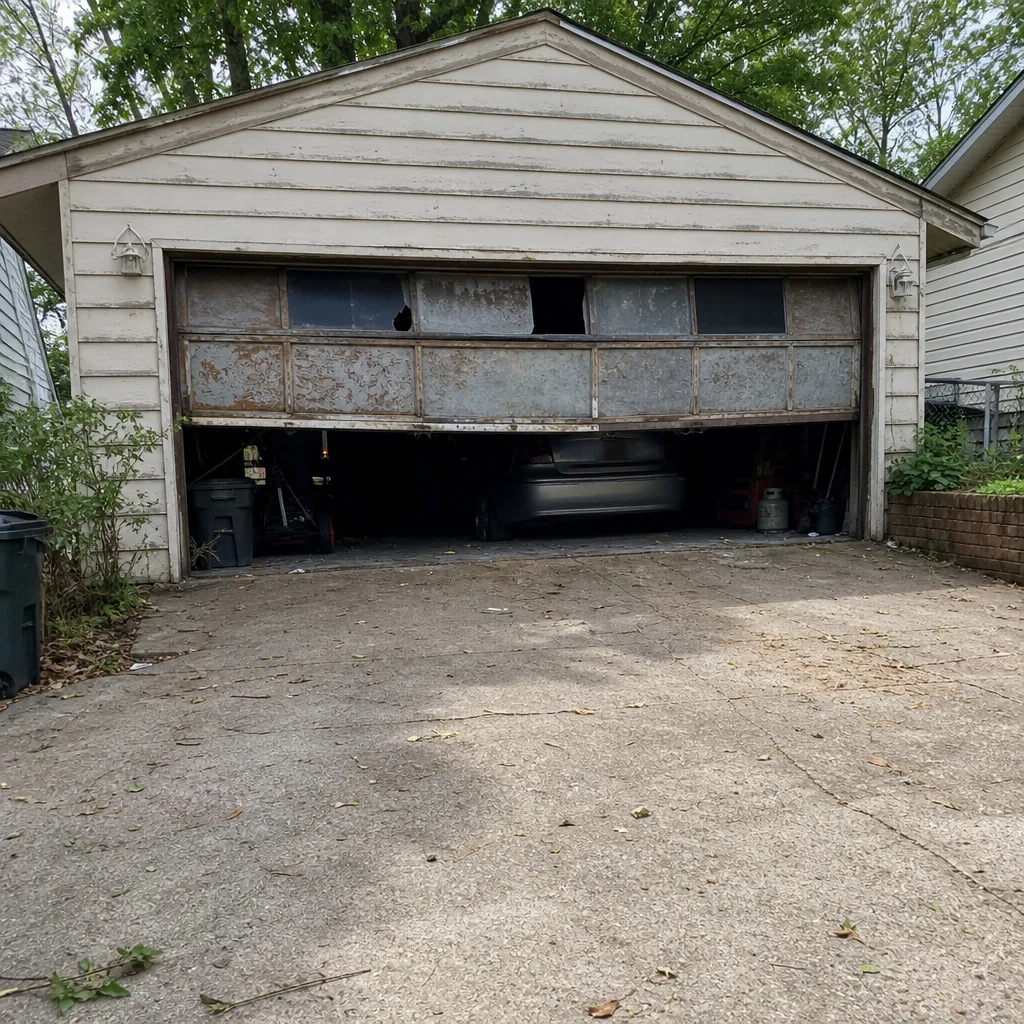 Before
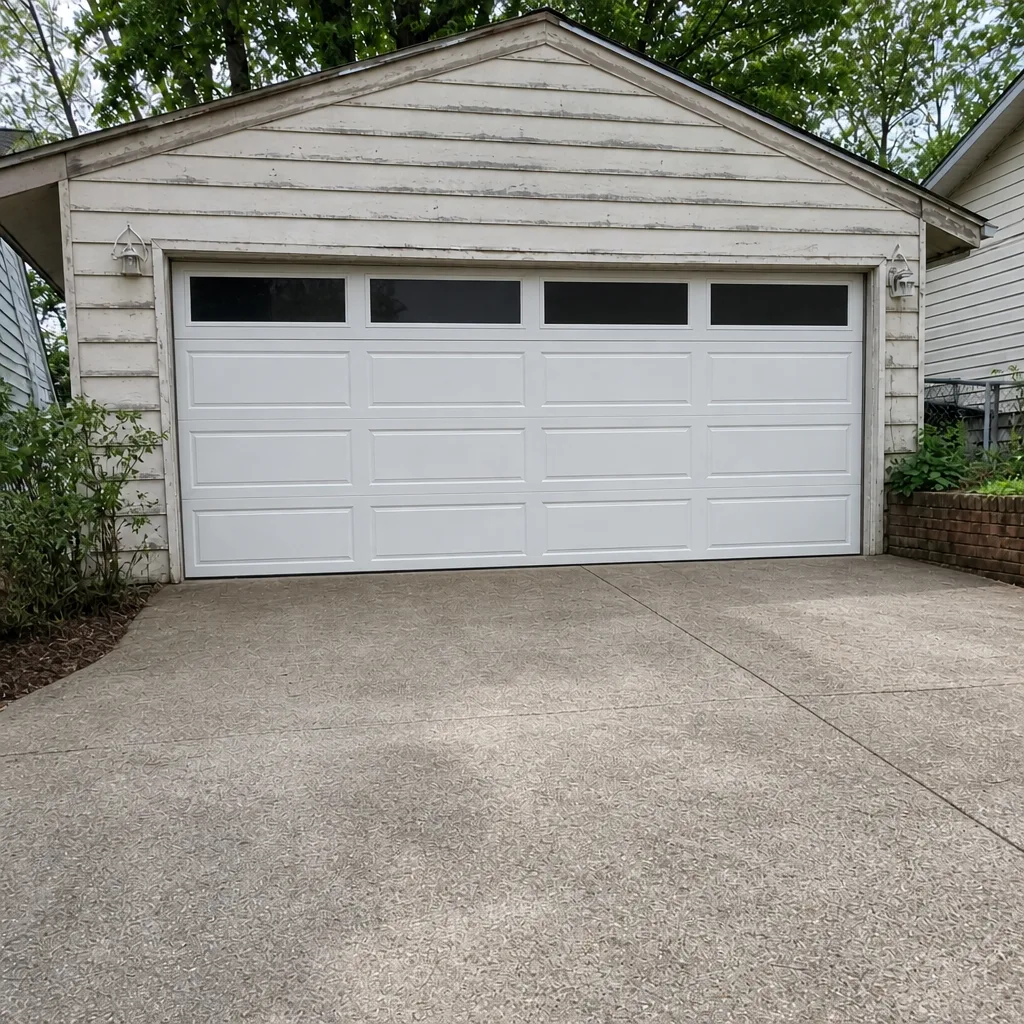 After
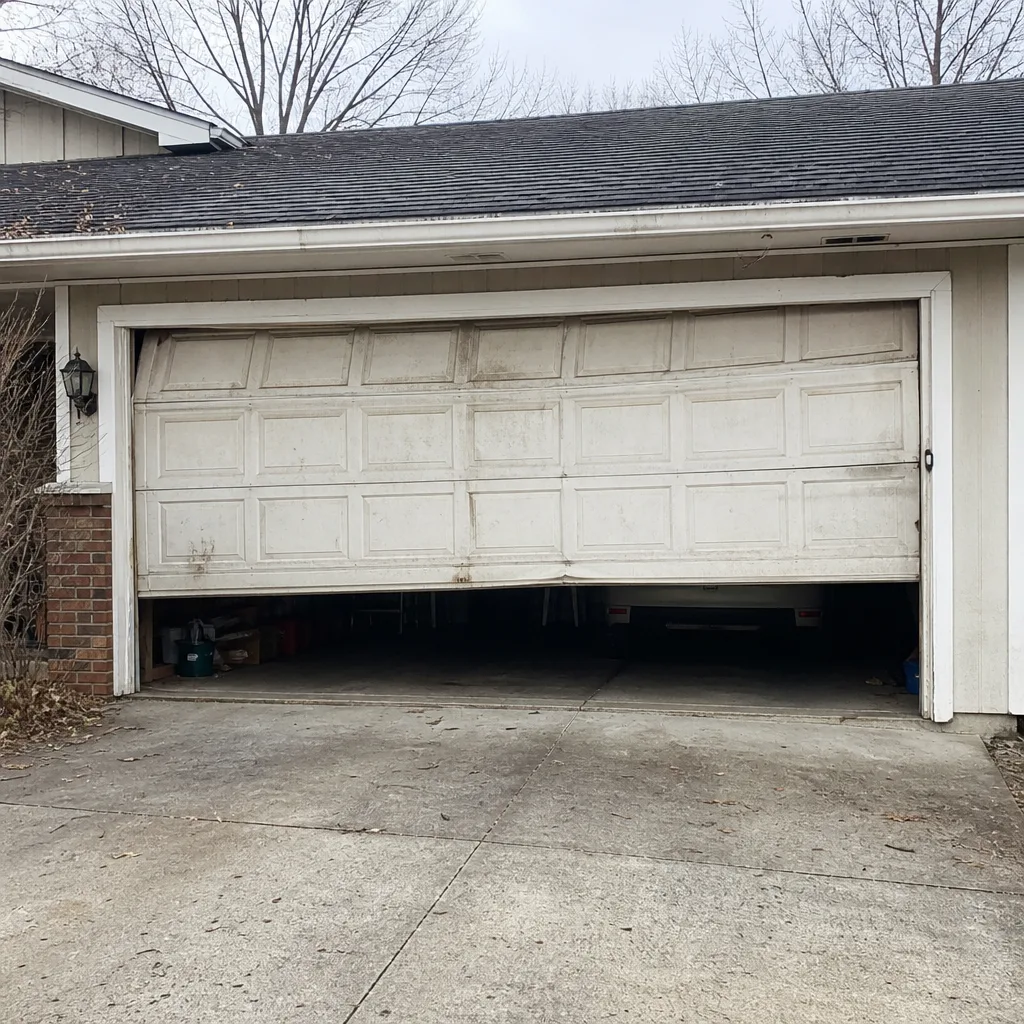 Before
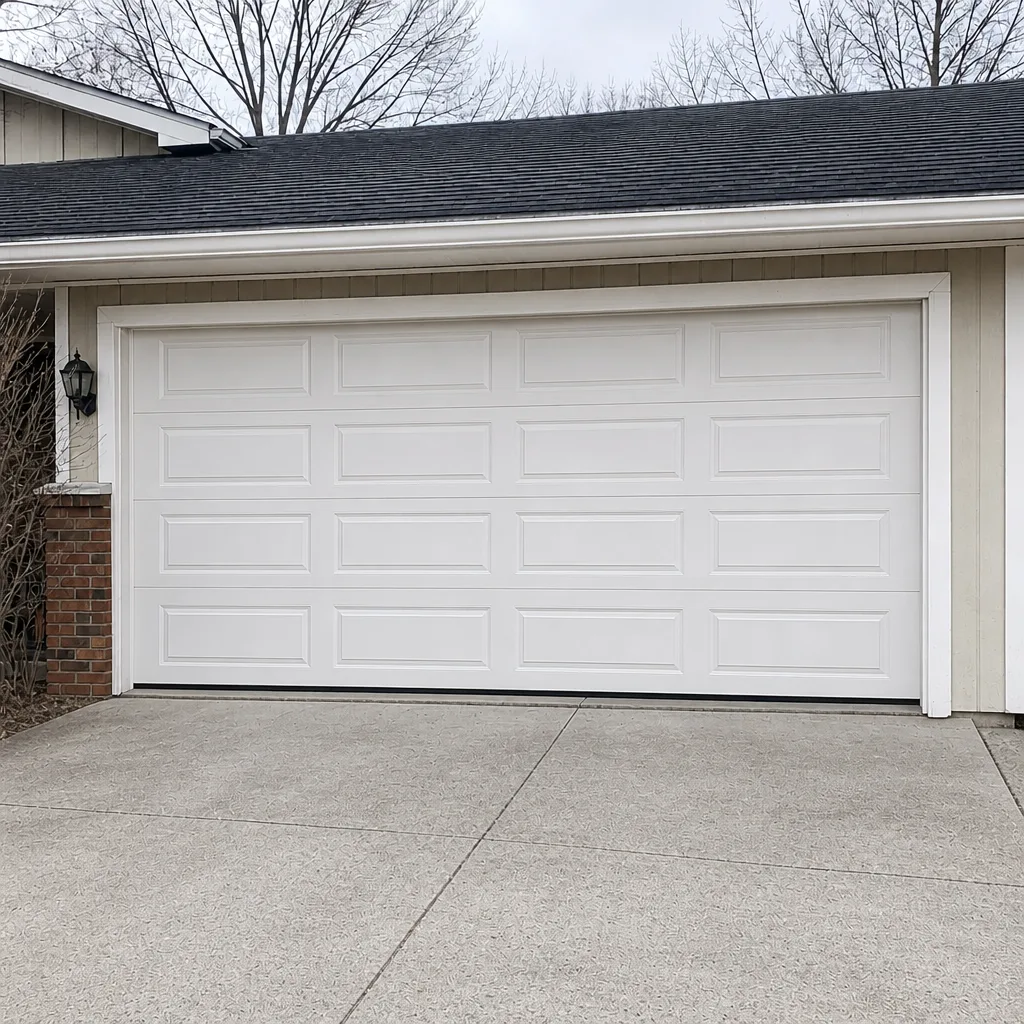 After
Common Mistakes to Avoid
- Using a single all-purpose lubricant year-round. Warm-weather grease thickens in Oakville’s January cold and stops protecting the moving parts. Get a cold-rated lubricant and use it where it belongs.
- Skipping the seal inspection after winter. The thaw is the only time the seal damage is obvious. Wait until summer and the moisture has already had months to reach the door’s hardware.
- Ignoring a door that feels heavier than it used to. A door that seems harder to lift is telling you the springs are losing tension. Waiting for it to fail completely is a scheduling problem at best and a safety concern at worst.
- Assuming humidity is only a wood-door problem. Metal doors still have wood frames, and a door that sticks in July is usually feeling the same humidity that a wood door does.
- Adjusting spring tension yourself. This is the most dangerous component in your garage. That work belongs to someone with the training and tools to handle springs under tension safely.
- Never checking the track alignment in fall. Small misalignments bind when cold metal contracts, and a binding track wears out rollers and opener parts faster.
- Running the opener against a binding door. If the door is hard to move by hand, the opener is working harder than it should. That added strain is often what pushes a worn opener to fail.
When to Call a Professional
Some seasonal maintenance is fine to handle yourself: applying lubricant, visually checking seals, clearing debris and ice from the travel path, listening for unusual noise. But several situations should go straight to a trained technician: a torsion or extension spring that has broken or is losing tension, a door that won’t move or is off its track, an opener that strains or reverses unexpectedly, and any spring or hardware job that requires handling components under heavy tension. We also recommend a professional check if you’re unsure when the door was last serviced. Garage Door Repair Oakville offers free estimates in Oakville and can inspect the door system, so call (877) 792-7376 to schedule and get a quoted price before any work starts.
Frequently Asked Questions
A full seasonal cycle, fall winter spring summer, is the ideal schedule for a garage door in Oakville, with a quick lubricant check between seasons. At a minimum, do the fall lubricating job and the spring seal inspection every year, because those two address the issues that most often turn into emergency calls.
Yes for the simple tasks: lubricating hinges and rollers, checking seals by hand, clearing debris and ice from the track, and testing the opener’s safety reverse. No for anything involving springs, cables, or the door mechanism itself. Those parts are under heavy tension and are dangerous, so they belong to a trained technician with the proper tools.
The bottom seal. The thaw is when seal damage becomes visible, and a worn seal lets moisture reach the door’s frame and hardware. If the seal is cracked, compressed, or has gaps at the floor, have it replaced before summer humidity and rain find their way in.
Because cold makes the spring wire more brittle and the spring is already under tension. If a spring has been weakening through the year, the cold of an Oakville January or February is often what finally fractures it. The root cause is usually wear built up earlier, which is why fall inspection and spring replacement matter.
It does, even if you don’t have a wood door. Wood frames and panels absorb moisture and expand, and a door that doesn’t have proper expansion gaps can stick or bind in heat and humidity. Metal doors are less affected by moisture but still expand in the heat and can bind against the track.
The fall lubricating job and the spring seal inspection. The fall job keeps the moving parts working through cold weather, and the spring seal inspection catches the wear that winter and thaw expose. Be sure to also check the opener’s safety reverse from time to time, and have a technician check the springs and track if the door ever feels heavier, sticks, or doesn’t travel smoothly.
The Bottom Line
Seasonal garage door care in Oakville isn’t one annual event; it’s four different jobs matched to four different stress profiles. Fall is about prepping the door for cold, winter is about managing lubricant and cold weather, spring is about finding the damage the thaw reveals, and summer is about managing humidity and expansion. Do the right task at the right time, and the failure pattern shifts. If you’d rather have a professional look at the door, Garage Door Repair Oakville offers free estimates in Oakville, and you can reach us at (877) 792-7376.
Written by the team at Garage Door Repair Oakville.