Last updated November 23, 2026
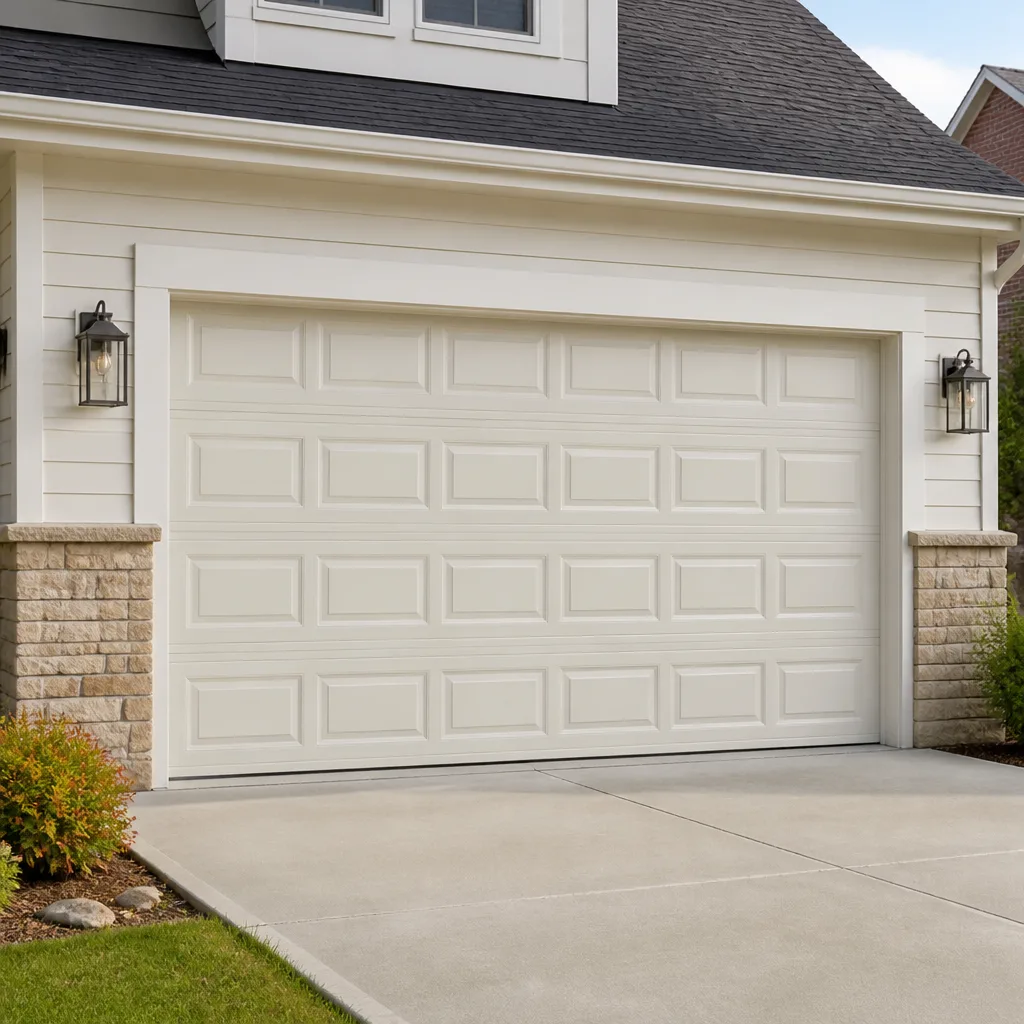 Raised-panel steel
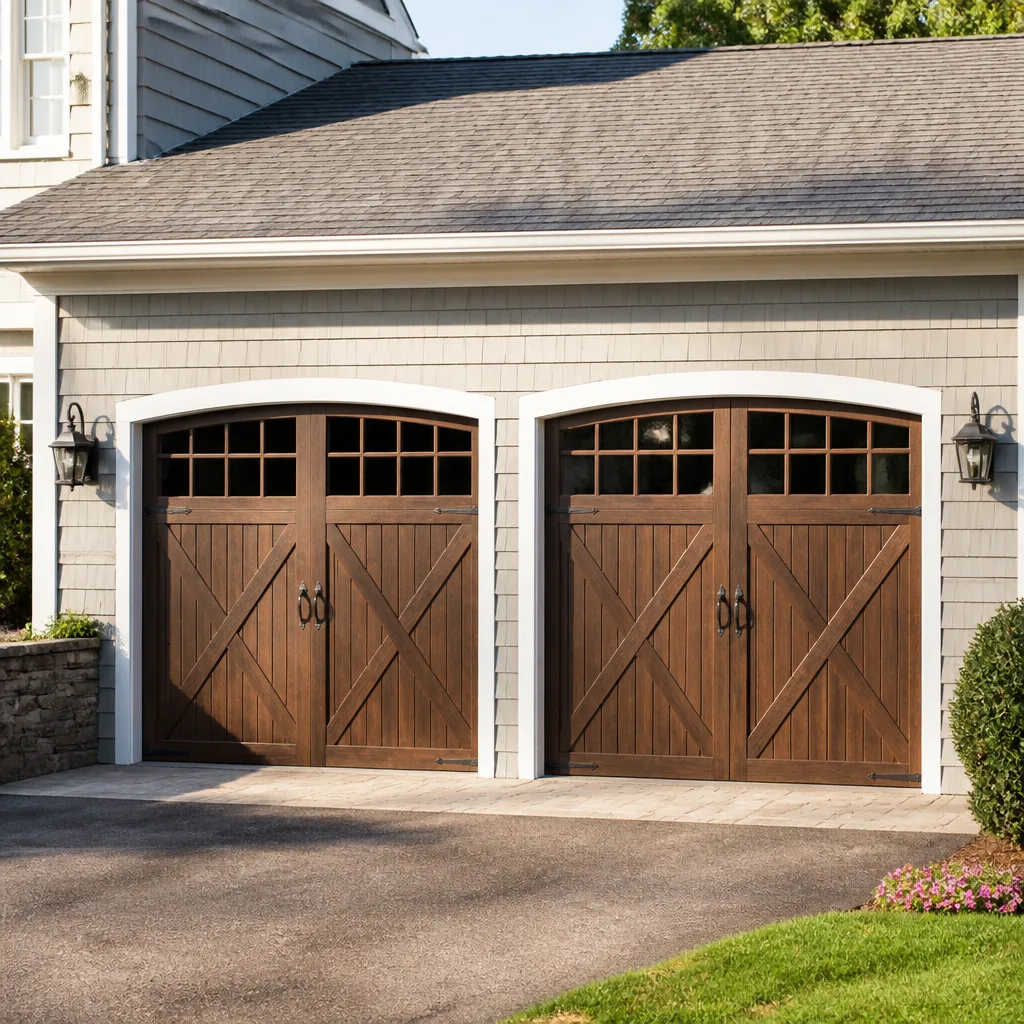 Carriage house
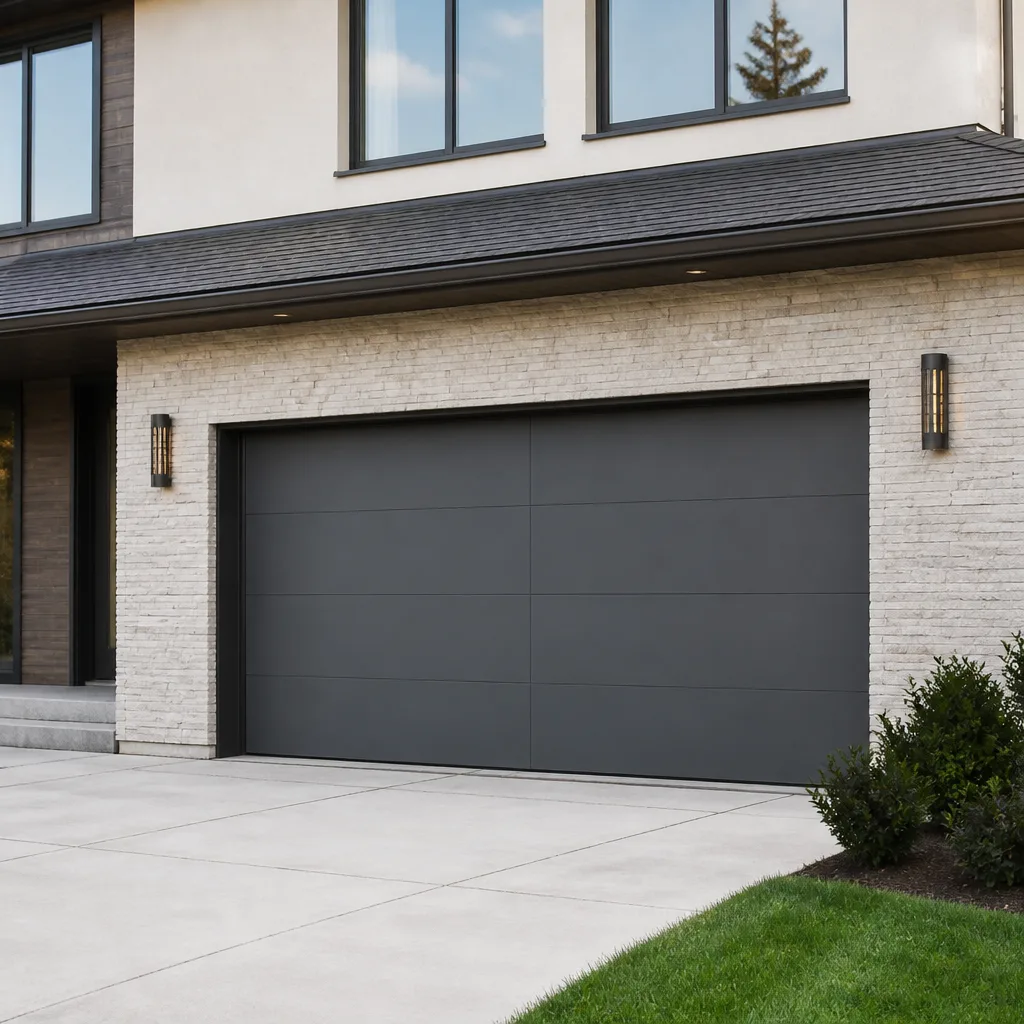 Modern flush
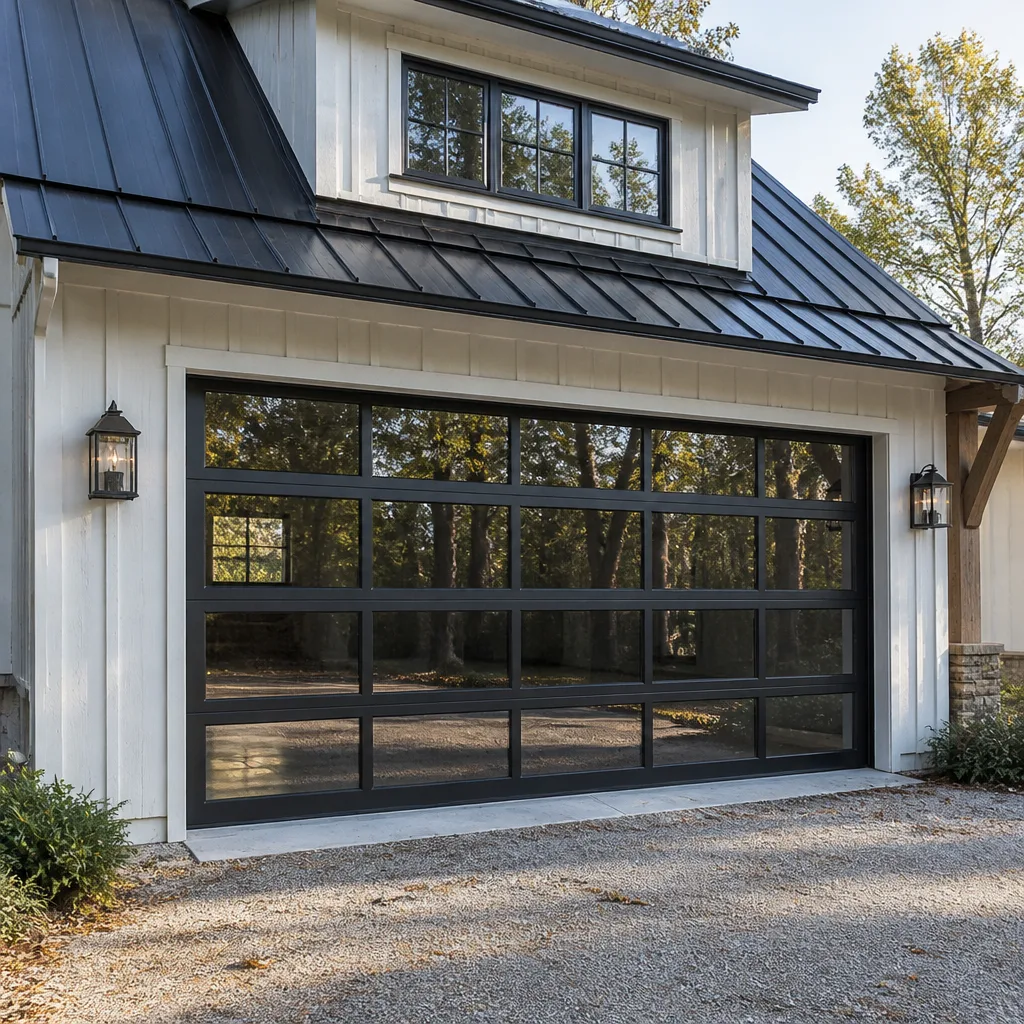 Full-view glass
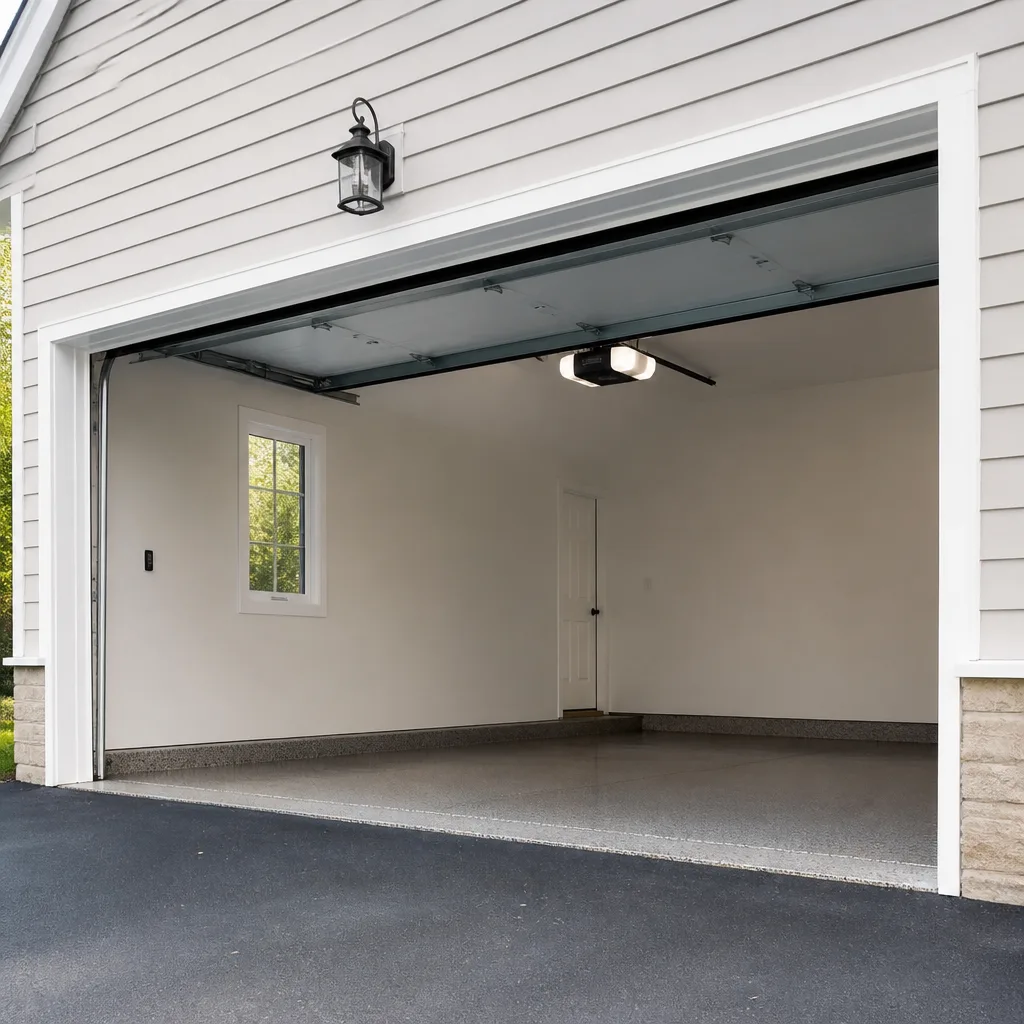 LiftMaster openers
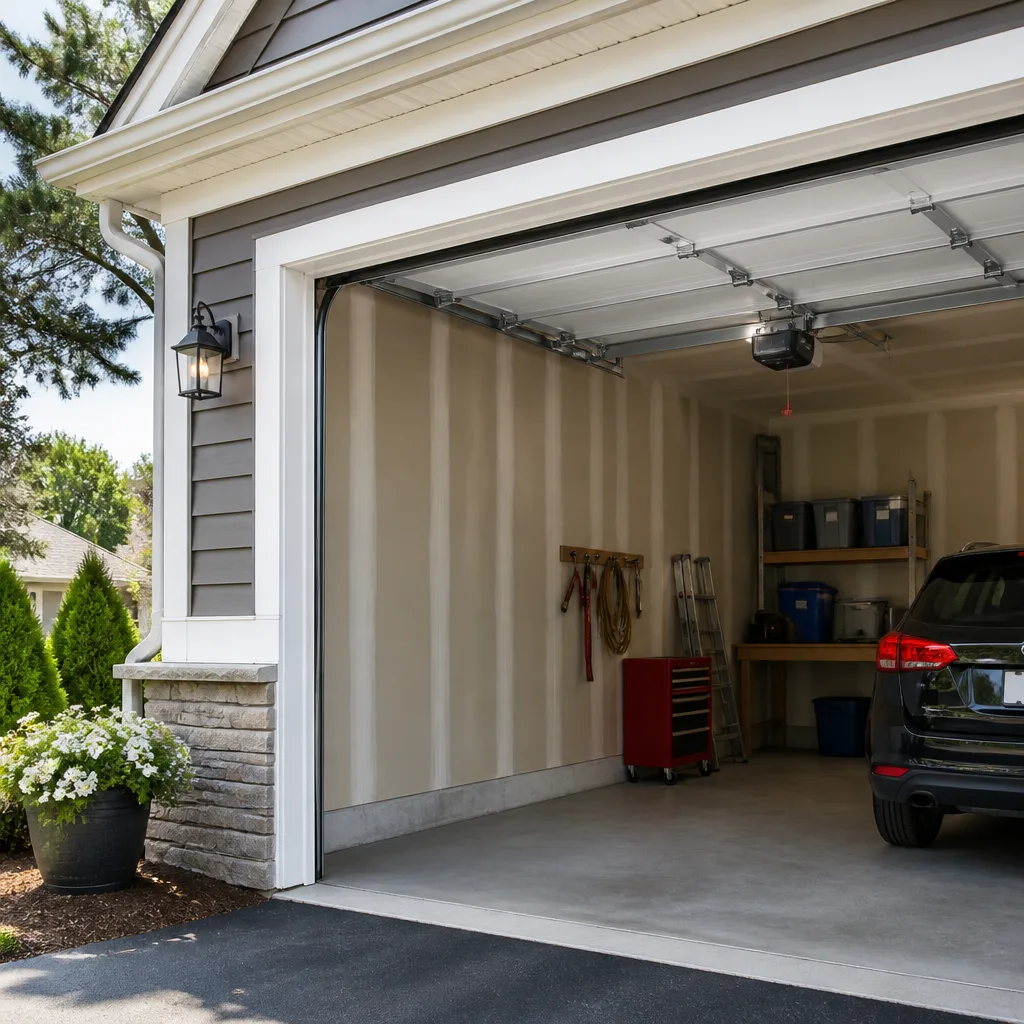 Chamberlain openers
Full 25-point door and opener safety check with every visit - springs, cables, rollers, tracks, and your LiftMaster or Chamberlain opener included
You get a price before we start. It does not change when the pro arrives.
Get your free estimateGarage Door Permits, Codes & Inspections in Oakville, MO: What You Need to Know
Most Oakville homeowners assume a garage door replacement never needs a permit. That assumption gets expensive at resale. The trigger for a permit in St. Louis County isn’t whether the door is new or old; it’s the structural scope of the work. Swap a door into the same opening and you’re usually clear. Widen that opening by even two inches, change the header, or alter the framing, and you’ve moved into structural modification territory that requires a permit and inspection. In this guide we walk through the actual thresholds, wind load requirements, what a failed inspection does to an insurance claim, how county code and HOA rules stack in Oakville’s subdivisions, and how to verify a contractor pulled permits before the work starts rather than after.
Quick Answer
In Oakville, MO, a garage door replacement in the existing opening generally does not require a permit, but any change to the opening’s size, the header, or the structural framing does. Garage doors in St. Louis County must also meet wind load requirements under the Missouri residential code, and a door installed without a required permit can complicate an insurance claim and surface as a title issue when you sell. When in doubt, call the St. Louis County building department directly and ask about your specific scope before work begins.
Styles & brands we work with
- Raised-panel steel
- Carriage house
- Modern flush
- Full-view glass
- LiftMaster openers
- Chamberlain openers
Table of Contents
- St. Louis County Permit Thresholds: When You Need One and When You Don’t
- Wind Load Requirements for Garage Doors in Missouri
- What a Failed Inspection Means for Your Insurance Claim
- County Code vs. HOA Requirements in Oakville Subdivisions
- How to Verify a Contractor Pulled the Required Permits
- What the Permit and Inspection Process Actually Looks Like
- How Permit Records Affect Your Sale and Title
- Common Mistakes to Avoid
- When to Call a Professional
- Frequently Asked Questions
St. Louis County Permit Thresholds: When You Need One and When You Don’t
The single question that decides whether your Oakville garage door project needs a permit is this: does the work change the structure, or does it only replace components within the existing structure? St. Louis County draws that line by scope, not by the dollar value of the job or whether the door itself is brand new.
Here’s how the distinction typically breaks down for homeowners in Oakville and the surrounding unincorporated areas of St. Louis County:
Usually no permit required
- Replacing door panels or the entire door section in the same opening, same dimensions
- Replacing torsion or extension springs
- Replacing or repairing the opener and its rail
- Replacing rollers, hinges, cables, or tracks in their existing positions
- Replacing weather seals and bottom rubber
Usually a permit required
- Widening or heightening the garage door opening, even by a couple of inches
- Modifying or replacing the header above the opening
- Cutting new framing members or altering the wall structure around the door
- Converting a garage bay to a different use that changes the door opening
- Adding a new garage door opening to an existing wall
The gap between these two lists is where most misunderstandings sit. A homeowner in Oakville decides to replace a tired single-car door with a wider double and assumes the contractor handles everything. If the contractor widens the opening without a permit, the county has no record that the structural change was inspected. That record gap can follow the house for years.
If you’re unsure which list your project falls under, the safest step is to call the St. Louis County building department and describe the exact scope. Ask specifically whether your work involves “structural modification” or “like-for-like replacement.” That distinction is the one that decides the answer.
Wind Load Requirements for Garage Doors in Missouri
Garage doors in St. Louis County, including Oakville, are required under the Missouri residential code to meet wind load standards. Wind load is a measurement of how much lateral force the door must resist from wind pressure. A door that meets the required rating is engineered and tested to hold up under the wind speeds that design codes anticipate for our area.
Not every door sold at a home improvement store meets the required rating for a given opening, and not every contractor checks. Here’s what to look for:
How to verify a door meets wind load requirements
- Ask the contractor for the door’s wind load rating documentation from the manufacturer (Clopay, Amarr, Wayne Dalton, and Raynor all publish this data for their product lines).
- Confirm the rating matches or exceeds the requirement for your specific opening size, because wider openings generally require higher ratings.
- Ask for the installation instructions to be followed exactly as the manufacturer specifies, since wind load compliance depends on correct anchor spacing and hardware.
- Ask whether the inspection for the door (when one is required) includes a check of the wind load documentation.
If the door is being replaced as a like-for-like swap and no permit is triggered, the code requirement for wind load still applies to the product you install. That’s a product selection question, not a permit question, but it’s the one homeowners in Oakville skip most often. We’ve seen plenty of doors ordered off a big-box shelf where the purchaser had no idea the label carried a wind load rating or not. Ask before the door is ordered, not after it’s hung.
If the wind load question makes you want a second opinion on a door that’s already installed, our garage door repair team can walk the entire system with you and flag what looks non-compliant. We work on the brand already in your garage, so we know what’s supposed to be there.
What a Failed Inspection Means for Your Insurance Claim
A failed inspection isn’t just a paperwork headache. It can affect how an insurer views a claim tied to that door, because the insurer’s adjuster will look at whether the work was permitted and inspected as required. An unpermitted structural change, or a door installed without the required inspection, can give an insurer grounds to question the claim.
The most common pattern we hear about: a homeowner has an accident involving the garage door (wind damage, a vehicle strike, a door that falls), files a claim, and then discovers the door was installed without the required permit. The insurer isn’t necessarily going to deny the claim outright, but it will ask questions. The homeowner ends up running around trying to reconstruct the installation history while a broken door blocks the car.
Two things reduce this risk substantially:
- Make sure the required permits were pulled and the inspections passed at the time of installation. Keep the record.
- Keep the door’s wind load documentation and the manufacturer’s installation instructions with your closing documents or home file.
If you’re the second or third owner of an Oakville house and don’t know whether a prior door replacement was permitted, you can request the permit history from the county. It’s a simple records request, and it’s the clearest way to find out what actually happened before you owned the place.
County Code vs. HOA Requirements in Oakville Subdivisions
Oakville has plenty of established subdivisions where the homeowner association has its own rules about garage doors, and those rules can apply at the same time as county code. County code is a minimum; HOA rules often sit on top of it. Both can regulate the same door.
Where they differ in practice:
County code governs
- Structural safety and the permit requirement
- Wind load ratings
- Inspection of structural changes
Your HOA may govern
- Door color, finish, and material appearance (many subdivisions restrict to specific neutrals)
- Panel style, window inserts, and hardware finishes
- Whether a door change requires HOA architectural review before installation
- Opener noise levels where units are close to a neighbor’s bedroom
The trap is assuming a passing county inspection means you’re done. If your HOA has an architectural review committee, a door that meets code can still get flagged because it’s the wrong color or a different panel style than the neighborhood standard. The reverse is also true: an HOA can’t waive a county permit requirement, even if it approves the aesthetic.
Before ordering a door in Oakville, pull your HOA’s current rules and, if needed, get written approval from the architectural committee. That step alone prevents most of the disputes we hear about. When you’re ready to schedule, our Garage Door Repair Oakville page is the place to start.
How to Verify a Contractor Pulled the Required Permits
You don’t have to take anyone’s word for it. Permit records in St. Louis County are public and searchable, and there are straightforward ways to confirm the permit exists before any work starts, not after.
- Ask for the permit number in writing before work begins. A permit pulled before work is a permit number on paper. A permit “pulled after the fact” is a red flag.
- Check the permit record yourself. St. Louis County maintains an online permit search. Enter the address and look for the permit type and status.
- Confirm the permit lists the correct scope. A permit for “door replacement” when the job involves widening the opening is a mismatch. The scope on the permit should match the work being done.
- Ask who is listed as the contractor of record on the permit. If it’s not the company doing the work, ask why.
- Review the inspection status. A permit that’s been issued but not inspected is a project that hasn’t been verified. Confirm the final inspection is scheduled and completed.
If the homeowner has to pull the permit themselves, that’s also a flag worth understanding. In most cases for contractor-performed structural work, the contractor is the one who should be pulling the permit, since the contractor is the one whose name appears on it and whose work is inspected. When a homeowner pulls the permit for a job done by someone else, the accountability gets muddled.
We tell Oakville homeowners the same thing every time: if a contractor can’t produce a permit number for a job that requires one, don’t start the job. Same rule applies when the scope might require one and the contractor waves it off as unnecessary. Have the permit question answered by the county, not the sales rep.
What the Permit and Inspection Process Actually Looks Like
The process for an Oakville garage door project that triggers a permit is straightforward once you know the shape of it. Here’s the typical timeline, with the caveat that every jurisdiction runs on its own schedule.
- Scope confirmed. The contractor and homeowner agree on the exact work, including whether the opening is changing, whether the header is being touched, and whether framing is involved.
- Permit application filed. The contractor submits the application with plans, door specifications, and wind load documentation. The county reviews.
- Permit issued. The permit is issued and posted. Do not start work before this step.
- Work performed. The installation proceeds per the manufacturer’s instructions and the permitted scope. Changes mid-job require a permit modification, not a verbal adjustment.
- Inspection scheduled and passed. The county inspector verifies the work matches the permit. Structural changes are inspected before the wall is closed in.
- Record closed. The permit is recorded as complete. That record stays with the property.
The step homeowners most often don’t realize exists is number five. If the contractor finishes the work and hands over a bill without ever scheduling the final inspection, the project is technically open. That can come back to bite you at resale. Always confirm that the final inspection was passed and recorded before you consider the project closed.
If you’re at the stage where you’re not sure whether the job you want (or the door you already have) needs a permit and inspection, our team can talk through the scope. We connect homeowners with local professionals who handle the full system: door panels, springs, tracks, openers, and hardware. Same call covers the door and the opener. If you’re replacing the door because the current one’s spring has let go, our garage door spring repair team should be your first call.
How Permit Records Affect Your Sale and Title
When you sell an Oakville home, the buyer’s inspector and title company will look for permit records on any work that required one. An unpermitted structural change to the garage door opening isn’t just a cosmetic issue. It can create a title question because it affects whether the property’s structural condition matches the record on file.
What can happen:
- Buyer’s inspector flags the change. The inspector notes a widened opening or a replaced header with no permit on file. The buyer’s agent asks for documentation.
- Title company requests a permit history. In some cases, a lien or a records search surfaces the missing permit. The closing is held up until it’s resolved.
- Retroactive permit required. The seller has to pull a permit for work already done and, if the work was structural, may need an engineer’s letter or inspector’s sign-off to get the permit closed.
- Price negotiation. If the buyer is uncomfortable with the missing permit, the price gets renegotiated or the sale gets delayed while it’s resolved.
The pattern is consistent enough that real estate agents in Oakville know to look for it. The fix is prevention: pull permits when the work is done, keep the records, and never let a contractor talk you out of a permit on a job where the scope requires one.
The good news is that like-for-like replacement (same opening, same door dimensions) usually doesn’t trigger a permit, which covers the majority of garage door work on Oakville homes. The permit question is almost always the structural scope question.
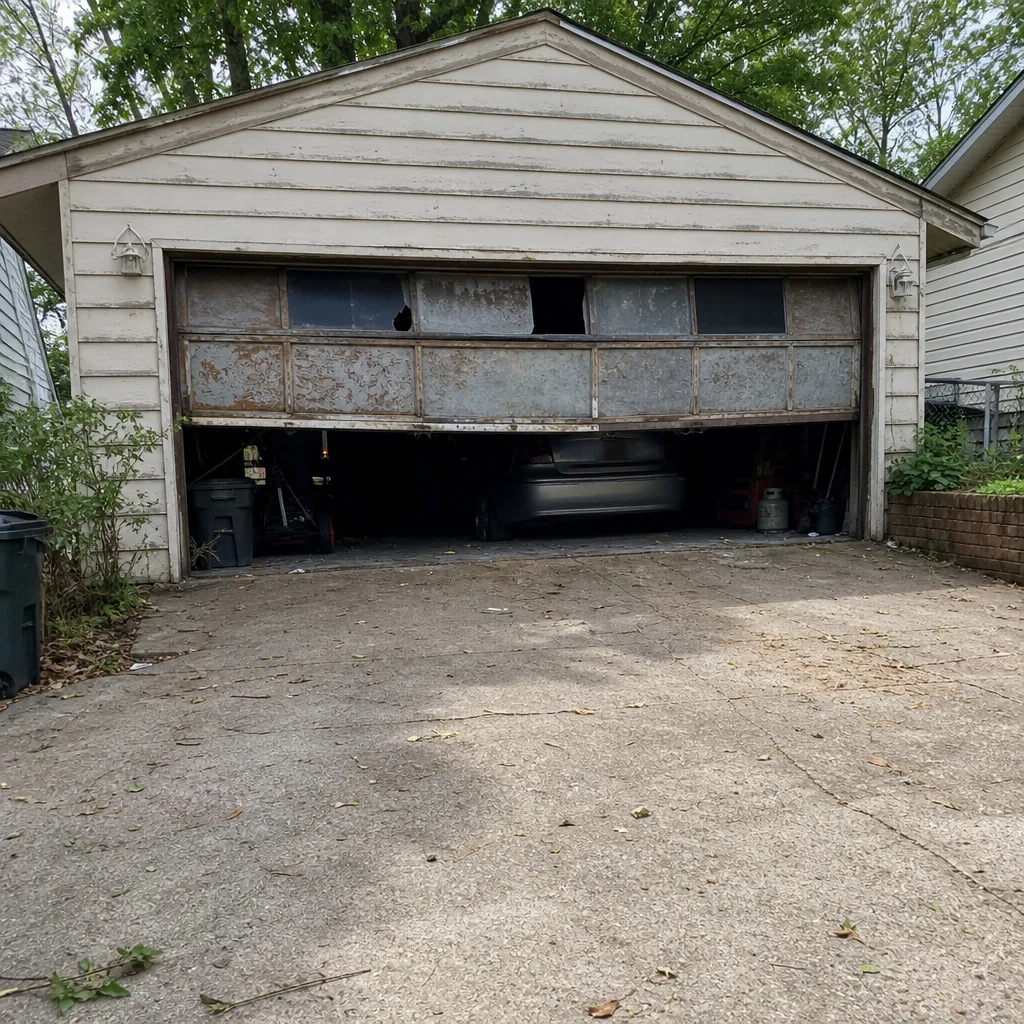
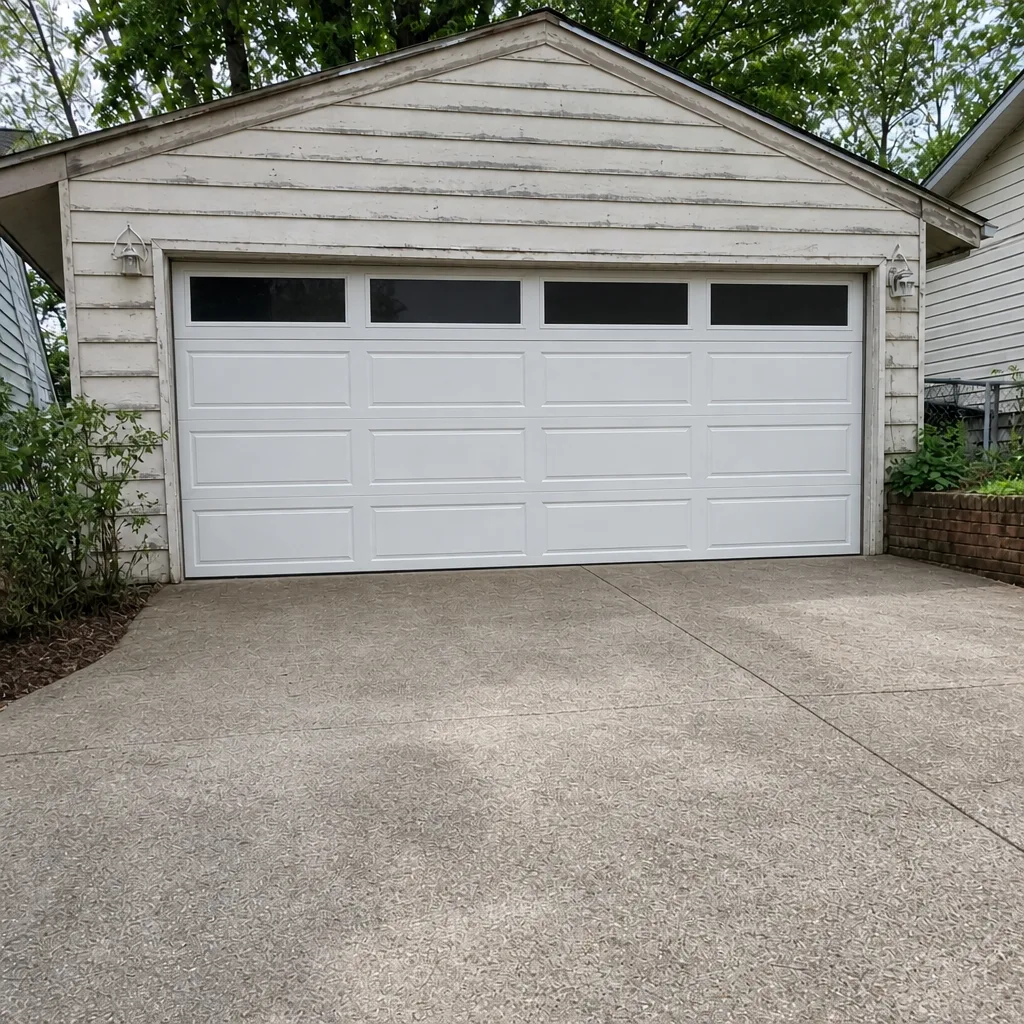
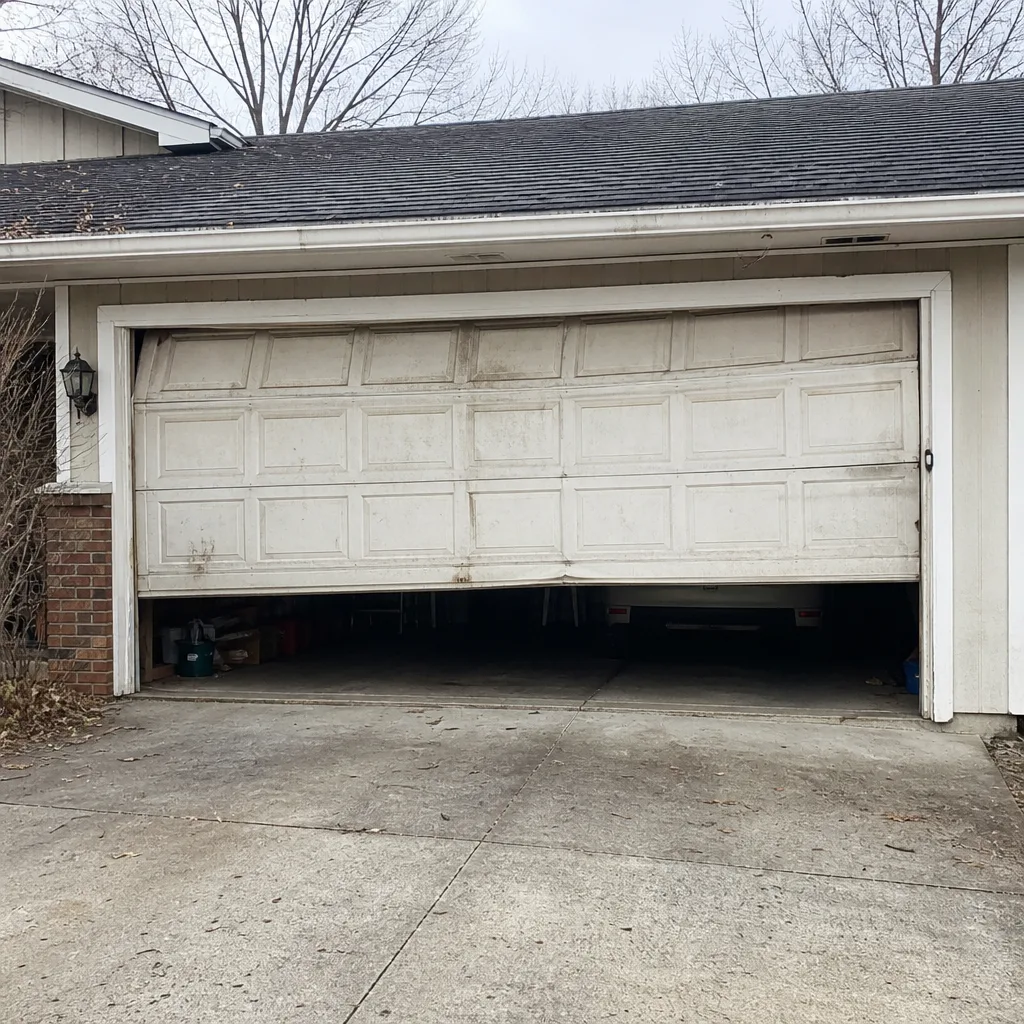
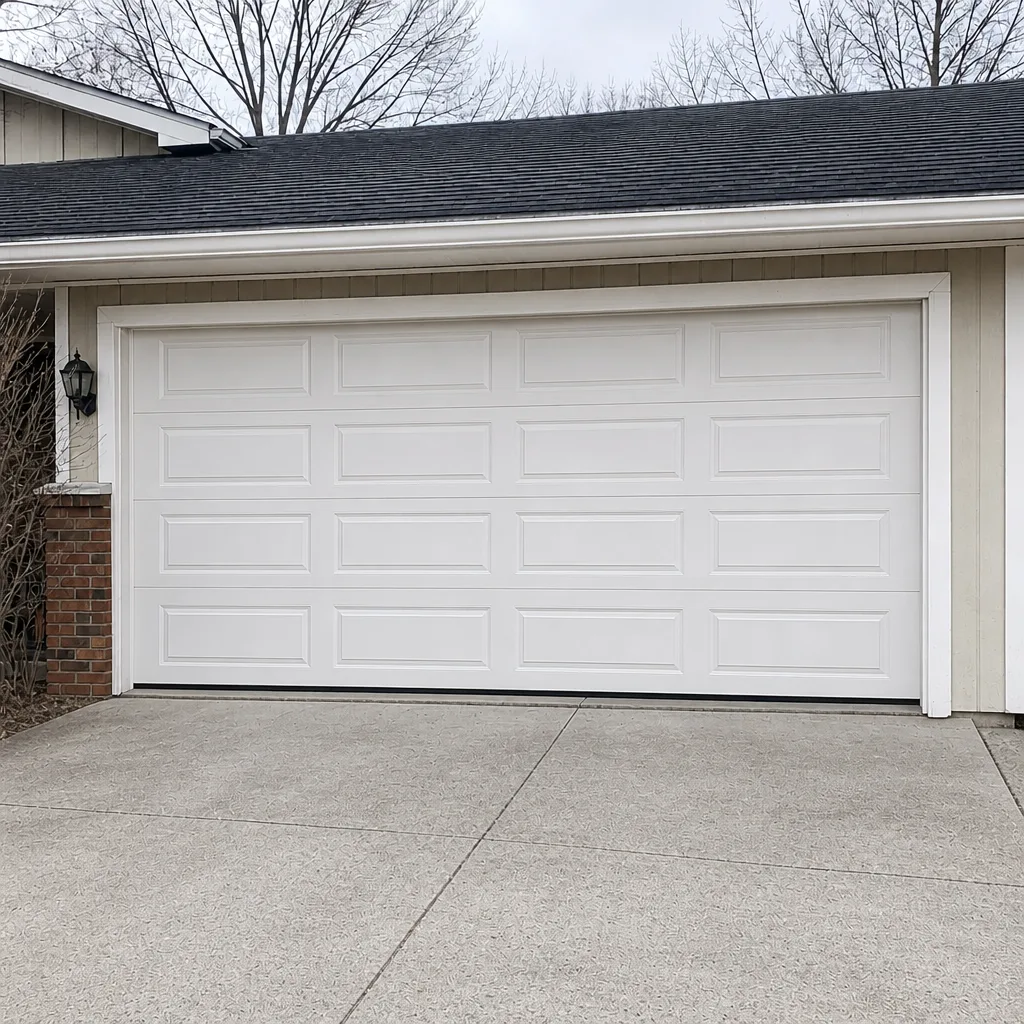
See the difference
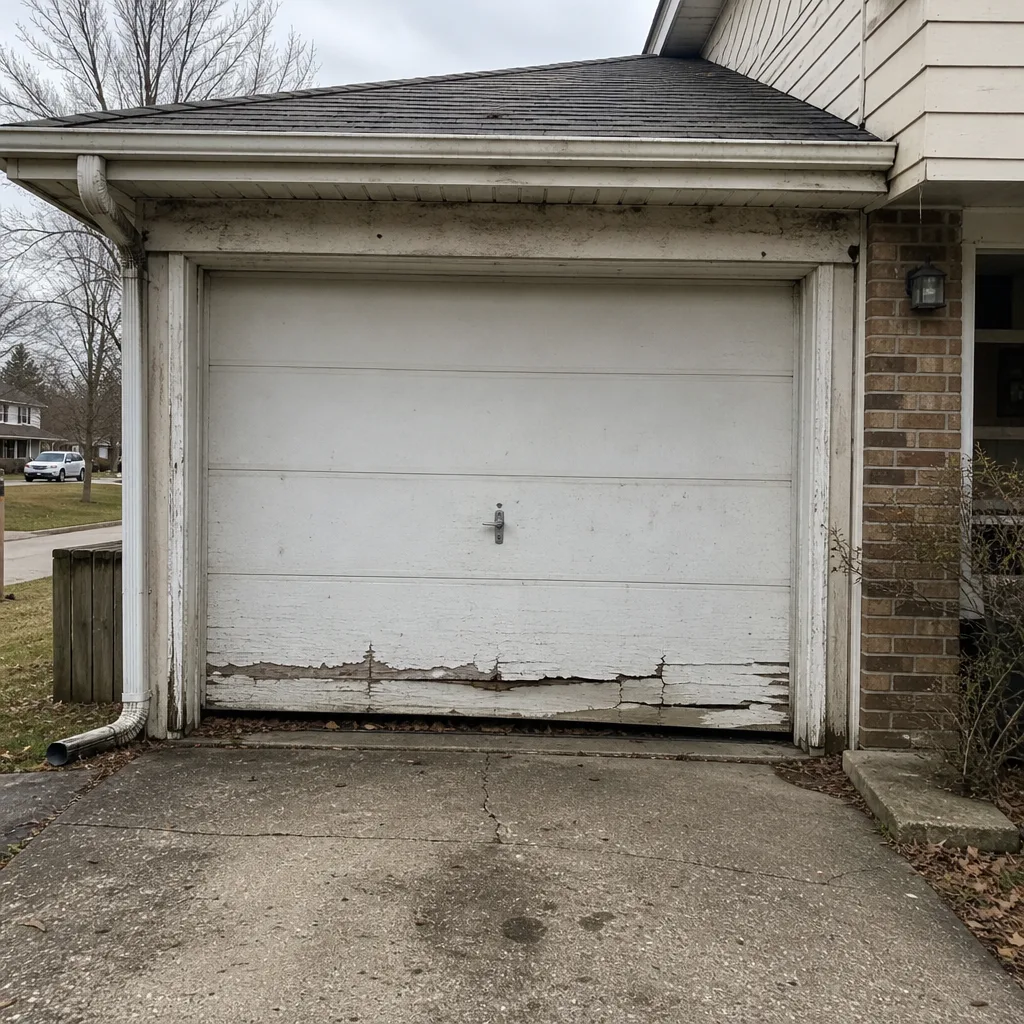 Before
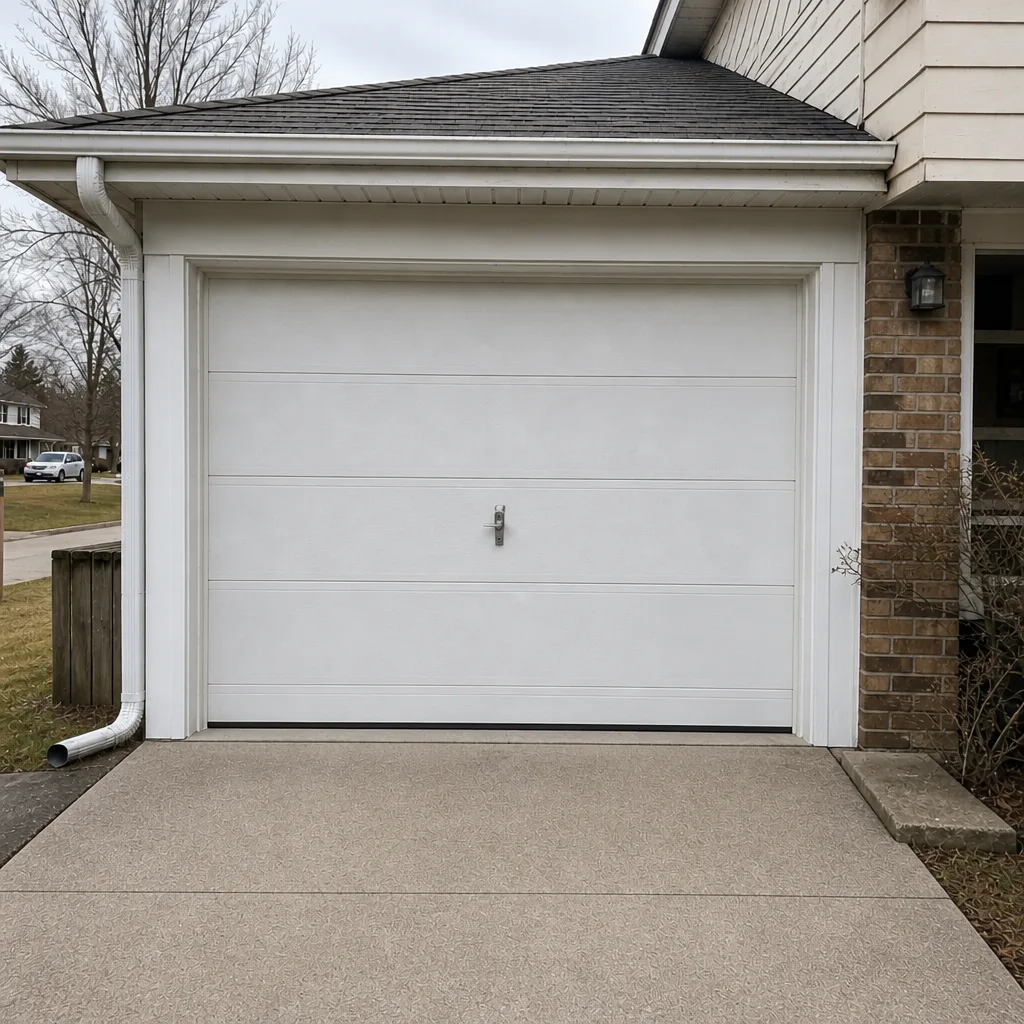 After
 Before
 After
 Before
 After
Spring Replacement, Inspections, and Structural Safety
One area where permits are almost never required but where safety certifications matter is spring replacement. Torsion and extension springs are the most mechanically dangerous components of a garage door system, stored under extreme tension. A failing spring can release that tension suddenly. We handle spring repair with proper tools and protocols, and we won’t walk a homeowner through a spring job by phone.
If your door is making a sharp bang, the door feels much heavier when you lift it by hand, or the opener is straining, the springs are the usual suspects. Our garage door spring repair guide goes into signs and options in more detail. The reason it comes up in a permit guide is that spring replacement is a like-for-like job under county rules; it’s a maintenance repair, not a structural change. Different rules, same door.
The other mechanical repair that sometimes gets bundled into a larger project is opener replacement. Openers don’t trigger permits either, but they do interact with the door’s balance. A new opener on an unbalanced door with tired springs causes unnecessary wear. Our garage door opener repair team handles LiftMaster, Chamberlain, Genie, and Craftsman units, and we’ll tell you if the springs need attention before the opener goes on. If your door is sticking or grinding, the plain garage door repair service covers it.
Common Mistakes to Avoid
- Assuming “new door” means “no permit.” The trigger is structural scope, not whether a component is new. A like-for-like replacement in the same opening generally doesn’t need one; widening the opening does.
- Ordering the door before checking HOA rules. A code-compliant door in the wrong color or panel style still gets rejected by the architectural committee, and you’ve already paid for a door you can’t install.
- Skipping the “does my door meet wind load” check. Even when a permit isn’t triggered, the door you install should meet the Missouri residential code requirement. That’s a product selection issue you check before ordering.
- Taking a contractor’s word that “permits aren’t needed.” For structural work, confirm with the St. Louis County building department. Contractors aren’t the authority on whether a permit is required; the county is.
- Not keeping the permit record and the door’s wind load documentation. Both matter at resale and at claim time. Scan them into the home file before the job closes.
- Missing the final inspection. A permit that’s been issued but not inspected leaves the project open. Confirm the final inspection passed and is on record before you consider the project done.
- Assuming passed inspection means HOA sign-off. County approval and HOA approval are separate; you need both when both apply.
When to Call a Professional
Call a professional when the door’s operation is compromised (won’t close, comes off the tracks, opener runs but the door doesn’t move), when the springs have failed, when the door is an older model that doesn’t carry wind load documentation and you’re concerned about compliance, or when you’re planning a replacement that changes the opening and you need the structural scope sorted before a permit can be filed. Spring and structural work are not homeowner projects. The springs are under extreme tension and a licensed, insured technician with the right tools is the only safe route. We connect Oakville homeowners with local pros across LiftMaster, Chamberlain, Genie, Clopay, Amarr, Wayne Dalton, Craftsman, and Raynor. Our technicians have up to 8 years of experience, and the price is quoted and agreed before any work starts. Garage Door Repair Oakville offers free estimates in Oakville: call (877) 792-7376.
Frequently Asked Questions
Usually not, if the replacement goes into the same opening at the same dimensions. A permit is generally required when the work involves widening or heightening the opening, modifying the header, cutting new framing, or otherwise changing the structure. The clearest answer comes from the St. Louis County building department, so call them with your specific scope before work begins. For a like-for-like replacement, call (877) 792-7376 for a free estimate.
The door has to meet the Missouri residential code’s wind load requirement for its opening size, which varies by door dimensions and design. Ask the manufacturer for the wind load documentation: Clopay, Amarr, Wayne Dalton, Raynor, and other major door manufacturers publish it for their product lines. Confirm the rating meets the requirement for your opening before the door is ordered. Call (877) 792-7376 if you want a second opinion on a door that’s already installed.
Two things can happen. An insurance claim tied to that door can come under scrutiny because the door wasn’t inspected as required, and a sale can be held up because the buyer’s inspector and the title company expect a permit on record for structural work. The fix is usually a retroactive permit and inspection, which is easier before a problem than after. Call (877) 792-7376 to talk through the project scope before work starts.
Check your HOA’s governing documents for architectural or design guidelines. Most subdivisions in Oakville with an HOA restrict door color, panel style, windows, and hardware finish, and some require written approval before installation. County code and HOA rules can both apply to the same door, so a county-passing door isn’t automatically HOA-compliant. Get the HOA rules before you order. Call (877) 792-7376 for help selecting a door that meets both.
Ask for the permit number in writing before work begins, then check the St. Louis County online permit search yourself. Confirm the scope on the permit matches the work being done and that the inspection is scheduled and completed. A contractor who can’t produce a permit number for a job that requires one is a red flag. Call (877) 792-7376 if you’d like to talk through the scope with someone who knows the county’s process.
No. Spring replacement, opener replacement, roller and hinge replacement, and track repair in the existing positions are maintenance repairs, not structural changes, and don’t trigger a permit in St. Louis County. Wind load requirements and inspection rules don’t apply to those jobs. If the door itself is being replaced as part of the project, that’s when the permit question comes up. Call (877) 792-7376 for spring or opener work.
The Bottom Line
Garage door permits in Oakville come down to one question: does the work change the structure, or does it replace components within it? Like-for-like replacement and mechanical repair (springs, opener, tracks, rollers) generally don’t need a permit. Widening the opening, changing the header, or altering framing does. Wind load requirements under the Missouri residential code apply regardless of whether a permit is triggered, so check the door’s documentation before ordering. County code and HOA rules can both apply, so pull the HOA guidelines before you buy. Keep the permit record and the door’s wind load docs, and confirm the final inspection passes before the project closes. Get those four things right on an Oakville project and the resale and insurance questions take care of themselves.
If you’re ready to schedule a replacement or repair, our team is one call away. Call (877) 792-7376 for a free estimate.
Written by the team at Garage Door Repair Oakville.